

Webbing Supplier Guide to High-Strength Straps and Custom Solutions
2026-11-16
Finding a webbing supplier that can deliver high-strength straps and follow through on custom solutions is harder than most sourcing teams expect. Off-the-shelf options rarely fit exact specs, and generic suppliers often fall short on load ratings or batch consistency. That’s why this guide exists—to show what separates a dependable partner from a risky one. At YONGFENG, we’ve seen these failures up close and built our manufacturing around closing those gaps. Here’s what to look for before you commit.
Material Choices That Actually Hold Up Under Load
Load-bearing materials live and die by how they handle stress over time. Wood, for instance, surprises plenty of people. A well-chosen hardwood like white oak or hickory isn't just pretty — it's dense enough to resist compression, and its grain structure distributes weight better than most softwoods ever could. Pair that with steel fasteners instead of cheap zinc alloys, and you've got a connection that won't creep or loosen after a few thousand cycles.
Then there's the quiet workhorse of modern load design: engineered composites. Plywood with alternating grain layers fights shear forces far better than a solid board of the same thickness. For anything that has to flex without failing, fiberglass-reinforced polymers or carbon fiber inserts give you stiffness per pound that aluminum can't touch. The trick isn't finding a strong material — it's matching the failure mode to the material's actual behavior under repeated loading.
Concrete gets a bad rap for being brittle, but that's usually a mixing problem, not a material flaw. Add the right aggregate size, keep the water-to-cement ratio low, and let it cure slow, and you'll see compressive strength numbers that make steel look nervous. The real lesson? Cheap materials fail predictably. The ones that hold up under load are the ones you bother to spec correctly from the start.
When Custom Widths and Patterns Make Sense
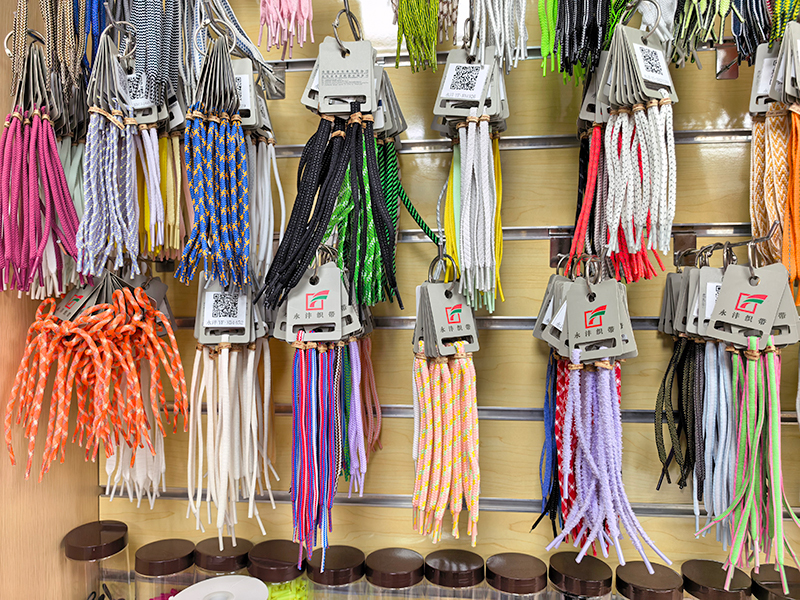
Some rooms resist standard sizes. Odd alcoves, sloped ceilings, or a wall broken up by windows can leave prepackaged panels looking forced. Custom widths let the material follow the actual architecture, so seams fall where they should rather than where a factory decided. That alone can change a space from "fitted around" to "built for."
Pattern scale matters more than people expect. A small repeat might get lost on a large feature wall, while a bold motif can overwhelm a narrow hallway. Going custom means you can scale a pattern to the room's proportions, or even shift the alignment so the main element isn't chopped off at a corner. This is particularly useful in older homes where nothing is perfectly square.
There's also the question of continuity. If you want the same material to run from a stairwell into a landing without a visual break, custom widths help reduce awkward splicing. And when you've fallen for a designer pattern that only comes in a fixed drop, custom production can adjust the width to avoid waste. It's not about upgrading for the sake of it; it's about matching the material to the space rather than the other way around.
Coatings, Finishes, and Abrasion Resistance Explained
A coating’s real-world lifespan usually comes down to how well its surface handles friction, scrapes, and repeated contact. It’s easy to assume a high-gloss finish is fragile or a matte texture is tough, but the chemistry underneath tells a different story. Polyurethane and epoxy binders, for instance, create tightly cross-linked films that resist micro-tearing far better than traditional alkyds, even when the top layer feels soft to the touch.
Abrasion resistance isn’t a single number you can pull from a datasheet and trust blindly. Tests like Taber wear cycles or falling-sand erosion measure different failure modes—one might simulate slow rubbing, another sudden particle impact. That’s why two products with similar hardness ratings can perform oppositely on a factory floor. The practical takeaway: ask which test matches your actual wear pattern before committing to a finish.
Surface texture also plays a quieter role. A slightly textured or low-luster coating can hide fine scratches that would be glaring on a polished surface, effectively extending the perceived service life. Combining that with a high-crosslink topcoat often beats chasing a harder resin alone, because the finish forgives minor abrasion instead of advertising every scuff.
Testing and Certifications You Should Ask About
A trustworthy supplier won't wait for you to bring up safety—they'll have documentation ready before you even ask. Look for third-party lab reports from recognized bodies like SGS, TÜV, or Intertek, and make sure the testing covers the specific materials and age ranges you plan to sell. If a factory hands you a stack of paper without matching batch numbers or test dates, treat that as a red flag rather than reassurance.
Beyond basic lead and phthalate limits, dig into the certifications that matter for your target market. For the U.S., ask about CPSIA compliance and ASTM F963 for toys, or FCC and UL marks for electronics. For Europe, CE marking is just the starting point—request the actual Declaration of Conformity and, if relevant, EN 71 or REACH documentation. A supplier who confuses a CE mark with a safety certification is one to avoid.
Here's a practical move: ask for the test report of the exact product, not a similar model from last year. Also check whether the factory owns the testing or if a middleman is providing someone else's paperwork. Many serious defects slip through because buyers only glance at the first page of a report. Read the failure clauses, the sample descriptions, and the validity dates—then match them against the production sample in your hand.
Working With a Supplier Who Understands Your Production Line
The real value shows up when a supplier asks about cycle times, changeover sequences, or how a particular component feeds into assembly. Not generic check-ins. They know the difference between a bottleneck at station four and a routine delay. That level of familiarity means they can adjust deliveries or tweak specifications before small issues become line stoppages.
A supplier who understands your line won't suggest a material swap without confirming how it runs through your existing fixtures. They'll reference past conversations about tolerance drift in a specific cutting stage, or remember that a certain resin behaves differently in humid months. That continuity saves you from re-explaining your setup every order and reduces the risk of sending back a batch that doesn't fit the jig.
The practical upside is quieter than a big cost saving. It's fewer urgent phone calls, fewer pallets sitting in receiving while someone checks a spec sheet, and less time spent on corrective actions. Over time, that supplier becomes less of a vendor and more of an extension of your planning team, anticipating what the next shift needs before the schedule is even printed.
Cost Drivers Beyond the Price Per Yard
A fabric priced at three dollars a yard rarely lands at your dock for three dollars. Freight, fuel surcharges, port handling, and last-mile delivery all stack up, and they shift with fuel markets and route congestion more than the mill's base price does. If you're importing, the cost of a container can double in a quarter, and that lands on every yard inside it. Consolidating smaller orders helps, but it adds warehouse time and per-carton fees that many buyers forget to amortize.
Minimum order quantities create another layer of cost that has nothing to do with the price tag. A dye house may require you to buy 20 percent more than you need to hit a color lot minimum, or a mill may round every line up to the next full roll. Those overages become dead stock or write-offs, and they quietly push the real cost per usable yard up by double digits. Cutting waste works the same way: a wider fabric might seem cheaper per yard until pattern layouts leave more scrap on the table.
Testing, compliance, and lead time can erase any face-value savings. Colorfastness, shrinkage, and restricted substance tests are usually charged per SKU or per batch, not per yard, so small runs take a disproportionate hit. If a shipment fails inspection, you're paying for sorting, rework, or replacement before the goods can even move. And when a deadline forces air freight or split shipments, the premium wipes out whatever you saved on the yard price.
FAQ
Focus on material traceability, documented tensile ratings, and in-house testing capabilities rather than just low prices. A supplier that can provide batch-level break strength data and clearly states whether straps meet standards like EN 12195 or WSTDA guidelines is usually more dependable.
Nylon offers more stretch and better shock absorption, which is useful for towing or dynamic loads. Polyester has less elongation and better resistance to UV and acid, making it a stronger pick for outdoor cargo control or marine environments.
Look for options like custom dyeing, printed logos, sewn loops with specific lengths, protective sleeves, and hardware integration such as ratchets, buckles, or D-rings. A good supplier will also advise on stitch patterns and thread type to match the strap's intended load.
Breaking strength is the point where the strap fails in a lab. Working load limit is that number divided by a safety factor, often 3:1 or 5:1 depending on use. Reputable suppliers label both clearly so users don't mistake peak capacity for safe daily loading.
Common sectors include cargo transport, arboriculture, offshore lifting, military gear, and recreational climbing. Each has different requirements—abrasion resistance for tree work, saltwater tolerance for marine, or low stretch for rigging—so a supplier familiar with these niches helps avoid mismatches.
Yes, but material choice matters. Polyester handles moisture and most chemicals better, while aramid or UHMWPE blends offer higher heat tolerance and cut resistance. A knowledgeable supplier will ask about the operating environment before recommending a fiber or coating.
Request prototype samples and ask for proof testing with a calibrated rig. Reputable suppliers often provide a short video or test certificate showing the strap at a specified percentage of its rated load, along with final dimension and weight checks.
Conclusion
Selecting the right webbing supplier for high-strength straps means looking past basic specs and asking why a material holds up when tension spikes and abrasion gnaws at the edges. Nylon and polyester each earn their place, but polyester's low stretch and better UV resistance often make it the safer default for load-bearing work, while nylon's give can actually help absorb shock in certain rigging setups. Custom widths and weave patterns stop being luxuries once you realize that off-the-shelf dimensions force your team to add pads, sleeves, or extra stitching just to make a strap fit the job. A supplier who can adjust the weave density or edge finish for your specific hardware saves more than time; it removes a common point of failure on the line.
Coatings and finishes are not decoration. A thin polyurethane or PVC layer can dramatically extend service life when straps drag across concrete or rub against metal frames, but the wrong coating traps heat or stiffens in cold weather. Ask for test data tied to your actual load cycle, not just a mill certificate. Reputable suppliers will show you break strength, elongation, and abrasion results under conditions that resemble your production floor, including UV exposure or washdowns if relevant. Beyond that, the real cost drivers rarely sit in the price per yard. Minimum order quantities, setup charges for custom patterns, scrap rates during slitting, and how well the supplier's team understands your stitching and assembly process all shape the final number. A vendor who asks about your production line before quoting is more likely to deliver straps that run cleanly through your machines and hold up in the field, not just in a lab.
Contact Us
Contact Person: Mr Deng
Email: [email protected]
Tel/WhatsApp: +86-18926872657
Website: https://www.uniyongfeng.com/