

Top Silicon Steel in Modern Applications: Advanced Materials Driving Innovation
2026-01-19
In the rapidly evolving world of materials science, top silicon steel stands out as a crucial enabler of modern innovations, from electric vehicles to renewable energy systems. This advanced material, known for its exceptional magnetic properties and efficiency, is reshaping industries and driving technological progress in ways we couldn't have imagined a decade ago. As we explore the cutting-edge applications of silicon steel in this blog, it's essential to highlight the role of industry leaders like Jiangsu Baowu New Materials, who are at the forefront of developing high-performance materials that push the boundaries of what's possible. Join us as we dive into how this versatile material is powering the future and discover why it's becoming a cornerstone of sustainable engineering solutions.
Exploring the Unique Properties of Top Silicon Steel
Top silicon steel, often referred to as electrical steel or transformer steel, is a specialized material prized for its magnetic properties, which set it apart from conventional steels. Unlike typical carbon steels, top silicon steel contains a higher silicon content, typically ranging from 3% to 4.5%, which significantly reduces its electrical conductivity. This reduction in conductivity minimizes eddy current losses when the material is subjected to alternating magnetic fields, making it highly efficient for use in electrical applications such as transformers, motors, and generators. The unique alloy composition also enhances the steel's magnetic permeability, allowing it to magnetize and demagnetize quickly with minimal energy dissipation.
Another distinctive feature of top silicon steel is its grain-oriented structure, which is achieved through specific manufacturing processes like cold rolling and annealing. This orientation aligns the crystal grains in a preferred direction, typically along the rolling direction, to optimize magnetic flux flow. As a result, grain-oriented silicon steel exhibits lower core losses and higher magnetic induction in the rolling direction compared to non-oriented varieties. This property is particularly valuable in large power transformers, where efficiency gains translate to significant energy savings and reduced operational costs over the equipment's lifetime.
Beyond its electrical and magnetic advantages, top silicon steel offers excellent mechanical properties, such as good ductility and resistance to aging, which contribute to its durability in demanding environments. Recent advancements have led to the development of high-permeability grades that further push the boundaries of efficiency, enabling more compact and lightweight designs in modern electrical systems. By understanding these unique properties, engineers can better leverage top silicon steel to innovate in energy-efficient technologies, supporting global efforts toward sustainability and reduced power consumption.
Key Innovations in Silicon Steel Manufacturing Processes
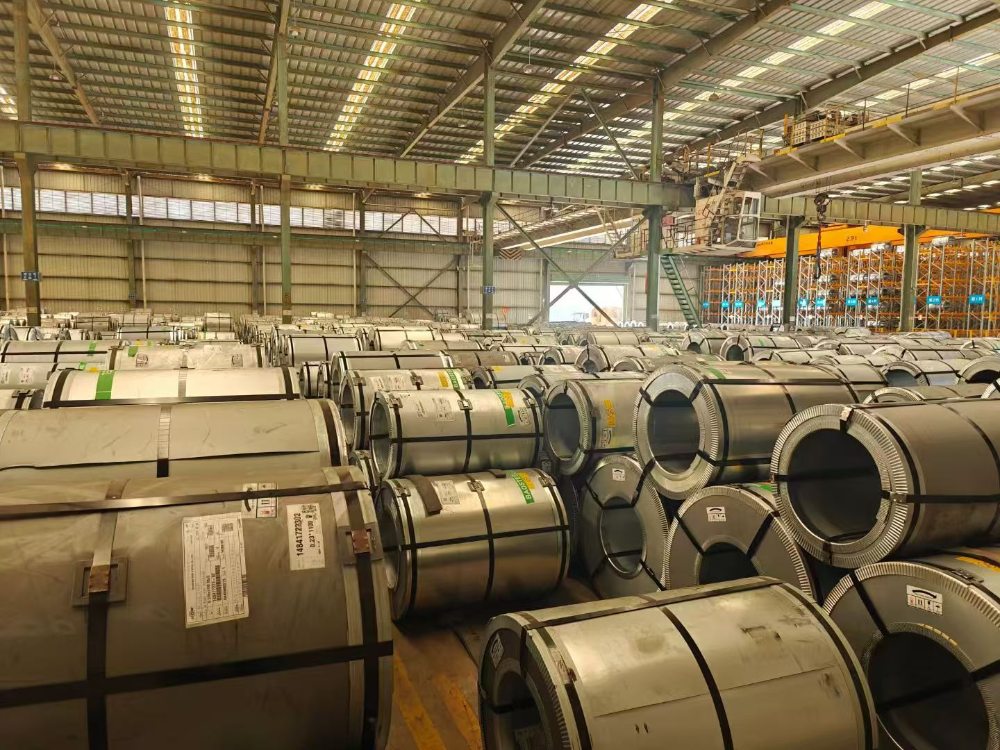
Recent breakthroughs in silicon steel production have revolutionized electrical efficiency, particularly through advanced continuous casting techniques that minimize grain boundary defects. Manufacturers now employ laser-guided monitoring systems during hot rolling, enabling precise control over sheet thickness variations as low as 0.01mm. This has slashed core losses in transformers by up to 15% compared to traditional methods, while novel annealing atmospheres containing hydrogen-nitrogen blends have eliminated surface oxidation issues that previously hampered magnetic permeability.
Beyond conventional processing, the adoption of machine learning algorithms for real-time quality prediction represents a paradigm shift. By analyzing terabytes of sensor data from decarburization furnaces, these systems dynamically adjust temperature profiles to optimize silicon distribution within the steel matrix. Concurrently, vacuum degassing innovations have reduced impurity levels to unprecedented lows—carbon content now consistently falls below 0.002%, crucially enhancing hysteresis characteristics. These advancements collectively enable thinner gauge productions (down to 0.18mm) without compromising mechanical durability.
Perhaps most strikingly, the introduction of gradient silicon-steel laminations has transformed high-frequency applications. Through patented diffusion bonding processes, manufacturers create sheets with silicon concentrations that vary controllably across their cross-sections. This gradient approach simultaneously mitigates eddy current losses at the surface while maintaining robust structural integrity at the core, a feat unattainable with homogeneous alloys. Such innovations not only push the boundaries of energy-efficient motor designs but also open new frontiers in renewable energy infrastructure where material performance directly impacts grid stability.
Silicon Steel's Role in Energy-Efficient Electric Motors
Silicon steel, often called electrical steel, is a critical material in electric motors, significantly boosting their energy efficiency. It's specially designed with a high silicon content, typically 1-4%, which reduces electrical resistance and minimizes energy losses from eddy currents and hysteresis. This results in motors that consume less power, run cooler, and have longer lifespans, making them essential for everything from household appliances to industrial machinery.
What sets silicon steel apart is its unique magnetic properties. The silicon addition enhances magnetic permeability while lowering core loss, allowing motors to operate more smoothly and quietly. In energy-efficient designs, every fraction of power saved counts, and silicon steel's ability to maintain strong magnetic fields with minimal waste heat makes it a game-changer. This isn't just about raw performance—it's about crafting motors that meet stringent environmental standards without sacrificing reliability.
Beyond the basics, advanced silicon steel grades are pushing efficiency boundaries even further. Manufacturers now use thin laminations and specialized coatings to reduce losses to near-negligible levels. In applications like electric vehicles or renewable energy systems, where efficiency directly impacts range and output, these innovations prove invaluable. So, while it might seem like a simple metal, silicon steel is quietly revolutionizing how we design and deploy electric motors for a greener future.
Applications in High-Frequency Power Transformers
High-frequency power transformers are essential components in modern power electronics, enabling compact and efficient energy conversion systems. They play a crucial role in applications like switch-mode power supplies (SMPS), where they facilitate voltage transformation and isolation at frequencies typically above 20 kHz. This high-frequency operation allows for smaller magnetic cores and reduced component sizes, making them ideal for space-constrained environments such as telecommunications equipment, LED drivers, and renewable energy inverters. Their ability to handle rapid switching reduces energy losses, contributing to greener and more cost-effective solutions in industries ranging from consumer electronics to industrial automation.
Beyond traditional uses, these transformers are key in emerging technologies like electric vehicle (EV) charging stations and data centers, where high power density and thermal management are critical. In EVs, they help manage battery charging and onboard power distribution efficiently, while in data centers, they support server power supplies that demand reliability under heavy loads. The design flexibility of high-frequency transformers also allows for custom winding configurations, enabling tailored solutions for specific voltage or current requirements, which enhances performance in medical devices and aerospace applications where precision and safety are paramount.
Additionally, the integration of advanced materials such as ferrite cores and litz wire optimizes efficiency by minimizing core losses and skin effects at high frequencies. This has spurred innovation in wireless power transfer systems and renewable energy grids, where transformers must operate reliably under varying conditions. As industries push for higher efficiency standards, the ongoing research into novel topologies and cooling techniques ensures that high-frequency power transformers remain at the forefront of next-generation power systems, driving sustainability and technological advancement across diverse sectors.
Advancements in Automotive and Renewable Energy Uses
The automotive industry is undergoing a significant transformation, driven by rapid advancements in renewable energy technologies. Electric vehicles (EVs) are at the forefront, with innovations in battery efficiency, such as solid-state batteries, extending driving ranges and reducing charging times. This shift not only enhances user convenience but also contributes to lowering carbon emissions, aligning with global sustainability goals.
Beyond EVs, renewable energy is being integrated into vehicle manufacturing and infrastructure. Solar panels are increasingly used in car designs to power auxiliary systems, while hydrogen fuel cells offer a promising alternative for heavy-duty transport. These developments highlight a broader move toward energy diversification, reducing reliance on fossil fuels and fostering a cleaner transportation ecosystem.
Looking ahead, the synergy between automotive and renewable energy sectors is poised to accelerate with smart grid technologies and vehicle-to-grid (V2G) systems. These allow EVs to store and supply energy back to the grid, enhancing grid stability and promoting renewable energy adoption. As these innovations mature, they promise a more resilient and sustainable future for mobility and energy use.
Future Trends and Material Enhancements in Silicon Steel
Looking ahead, the evolution of silicon steel is shifting toward thinner gauge productions and innovative alloying techniques to boost overall efficiency. Advanced manufacturing processes, such as laser scribing and domain refinement, are being fine-tuned to reduce core losses even further. These advancements are crucial as industries like electric vehicles and renewable energy systems demand materials that operate at higher frequencies with minimal energy dissipation. Researchers are exploring the integration of nanotechnology, where nanoparticle coatings are applied to enhance magnetic properties and corrosion resistance, making silicon steel more durable in harsh environments. This push toward lighter, more robust materials is setting a new benchmark in electrical engineering applications, where every fraction of a watt saved translates to significant long-term savings and environmental benefits.
Another key trend involves the development of grain-oriented and non-oriented silicon steels tailored for specific uses, such as transformers or motors, optimizing performance across varying operational conditions. Innovations in heat treatment and rolling processes are allowing for better control over grain structure, which directly impacts magnetic permeability and hysteresis losses. For instance, experiments with rare-earth element additions, like cerium or lanthanum, show promising results in reducing eddy current losses at high temperatures, a critical factor in high-power applications. This customization not only improves energy efficiency but also extends the lifespan of electrical devices, reducing maintenance costs and supporting sustainable practices in industries relying heavily on electromagnetics.
As global energy demands rise, silicon steel enhancements are moving toward smart material designs that incorporate real-time monitoring capabilities. Embedding sensors within the steel matrix enables predictive maintenance by tracking temperature fluctuations and magnetic field changes, preventing failures before they occur. Coupled with eco-friendly production methods, such as recycling scrap steel and reducing carbon emissions during manufacturing, these trends align with broader sustainability goals. In summary, the future of silicon steel lies in a blend of material science breakthroughs and practical innovations, ensuring it remains a cornerstone in the transition to more efficient and resilient energy systems worldwide.
FAQ
Top silicon steel boasts exceptional magnetic permeability and low core loss, which significantly enhance energy efficiency in electrical devices like transformers and motors, reducing heat generation and operational costs.
Unlike conventional electrical steels, top silicon steel contains a higher silicon content (typically 3-5%), improving resistivity and reducing eddy current losses. This matters as it directly impacts the longevity and performance of high-frequency applications, such as in renewable energy systems.
Yes, in electric vehicle (EV) motors, top silicon steel has enabled lighter, more efficient designs that extend battery life and enhance torque, accelerating the shift toward sustainable transportation without compromising power.
Manufacturers often grapple with brittleness due to high silicon levels, complicating fabrication. Advances in rolling techniques and alloy modifications are emerging to improve ductility, ensuring easier processing and wider adoption.
It's set to be pivotal in next-gen power grids and smart grid technologies, where its efficiency supports higher power densities and stability, crucial for integrating intermittent renewable sources like solar and wind.
While initially more expensive than standard steels, its superior efficiency leads to long-term savings in energy consumption and maintenance, making it a cost-effective choice for high-demand applications over time.
Conclusion
Top silicon steel, a cornerstone of modern electrical engineering, is distinguished by its unique properties such as high permeability and low core loss, which make it indispensable for efficient energy conversion. By exploring these characteristics, the material's role in driving innovation becomes clear. Key innovations in manufacturing processes, including advanced rolling and annealing techniques, have significantly enhanced its magnetic performance and mechanical strength, enabling more precise control over grain orientation and reducing energy wastage during production. This progress directly supports silicon steel's critical applications in energy-efficient electric motors and high-frequency power transformers, where it minimizes eddy current losses and improves operational efficiency, contributing to sustainable energy systems.
The expanding uses of silicon steel in automotive and renewable energy sectors, such as in electric vehicles and wind turbines, highlight its versatility in reducing carbon footprints and enhancing power density. Future trends point toward material enhancements like nanocrystalline coatings and alloy modifications, which promise to push the boundaries of performance even further. As technology evolves, silicon steel continues to be a key driver of innovation, seamlessly integrating across various applications to meet the growing demands for efficiency and sustainability in a rapidly advancing world.
Contact Us
Contact Person: Zoe Liang
Email: [email protected]
Tel/WhatsApp: 86 189 2128 6299
Website: https://www.baowuchina.com