

Surge Arresters: Selecting the Best Protection for Your Electrical Systems
2026-01-01
Every electrical system faces a silent but potent threat: surge events that can cripple equipment, disrupt operations, and lead to costly downtime. In today’s world, protecting your infrastructure is not just an option—it’s a necessity. This is where surge arresters come into play, acting as the first line of defense against unpredictable electrical surges.
But with so many options available, how do you select the best protection for your specific needs? From understanding technical specifications to evaluating environmental factors, the decision can be overwhelming. That’s why we’ve crafted this guide to help you navigate the complexities of surge arrester selection, ensuring your systems remain safe, reliable, and efficient.
At Lugao, we specialize in advanced surge protection solutions designed to meet the demands of modern electrical systems. Whether you’re safeguarding industrial facilities, commercial buildings, or residential setups, our expertise ensures you get the protection you need—without compromise.
Dive into this blog to uncover key insights, practical tips, and the latest innovations in surge arrester technology. Let’s empower your electrical systems with the best defense possible.
Understanding Surge Arresters: Core Functions and Benefits
When electrical surges threaten to disrupt your equipment, surge arresters act as the first line of defense, swiftly diverting excess voltage away from sensitive components. These devices are designed to handle sudden spikes, whether from lightning strikes or internal switching events, by providing a low-resistance path to ground. By doing so, they prevent damage and ensure systems remain operational, making them essential in both residential and industrial settings.
Beyond just protection, surge arresters offer tangible benefits that extend equipment lifespan and reduce maintenance costs. They minimize downtime by avoiding catastrophic failures, leading to more reliable power distribution and fewer unexpected repairs. Additionally, integrating these devices can enhance safety by lowering fire risks associated with electrical faults, providing peace of mind for users and operators alike.
What sets modern surge arresters apart is their adaptability to diverse environments, from high-voltage transmission lines to delicate electronic circuits. Advances in technology have improved their response times and durability, allowing them to handle repeated surges without degradation. This versatility ensures that regardless of the application—be it in a data center, factory, or home—surge arresters deliver consistent performance, safeguarding investments and boosting overall system resilience.
Key Types of Surge Arresters: Gapped, Gapless, and Polymer
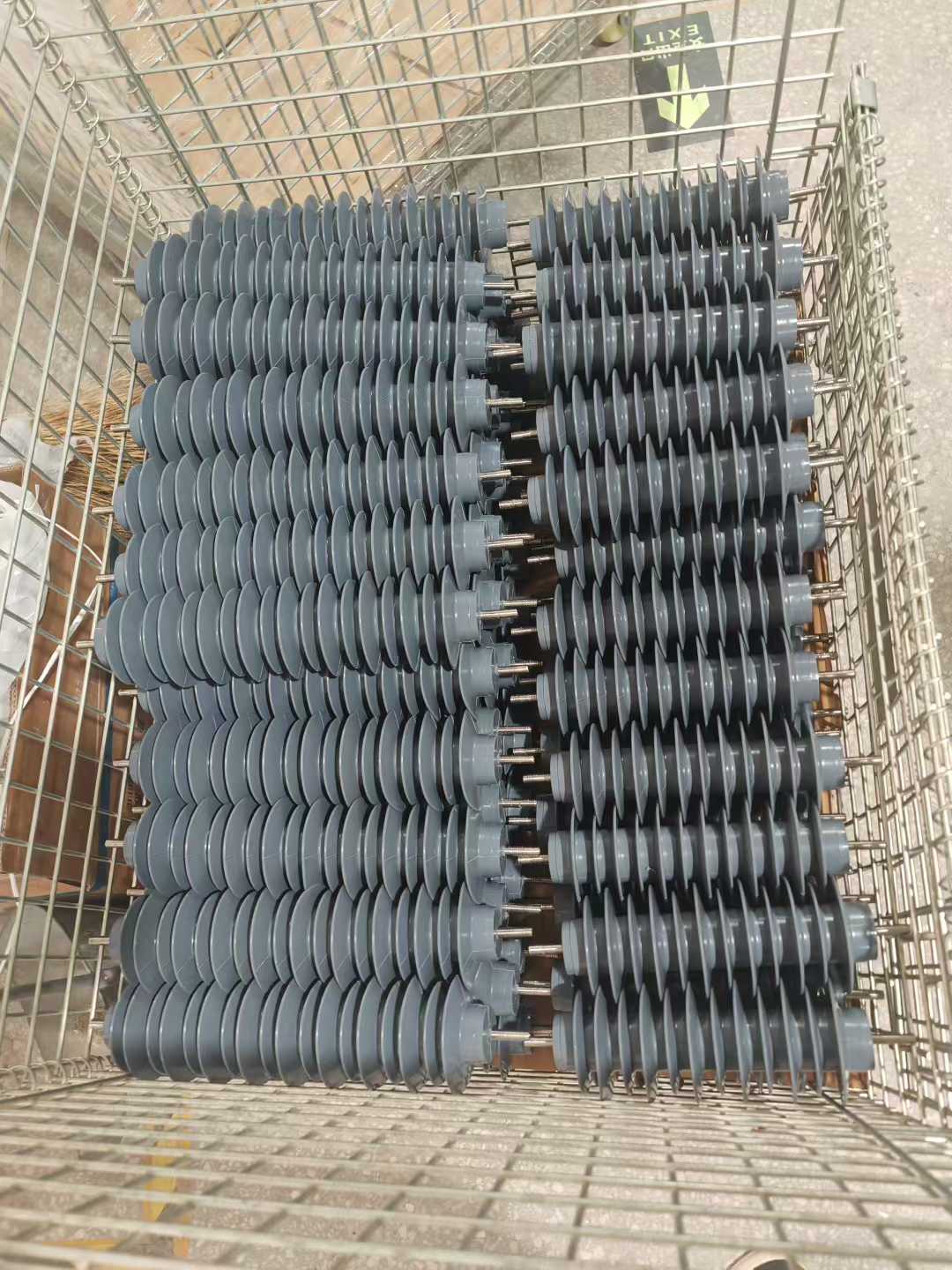
Surge arresters are crucial for protecting electrical equipment from voltage surges, with various types tailored to different applications. Gapped arresters, an older design, incorporate air gaps to isolate the arrester from the line under normal conditions, activating only when a surge occurs to divert excess energy. However, they can be slower to respond and may degrade over time due to repeated arcing, making them more common in legacy systems or cost-sensitive installations where performance trade-offs are acceptable.
Gapless arresters, often metal-oxide varistor (MOV) based, have gained popularity by eliminating gaps, offering faster and more reliable protection. These devices continuously monitor voltage and respond almost instantaneously to surges, reducing the risk of equipment damage. Their compact size and durability make them ideal for modern power grids and industrial settings, where consistent performance and minimal maintenance are key priorities, though they may require careful thermal management to handle high energy absorption.
Polymer surge arresters represent a newer advancement, utilizing polymer housings instead of traditional porcelain to enhance durability and safety. These units are lighter, resistant to environmental stresses like moisture or impacts, and often feature better sealing to prevent internal contamination. They're increasingly used in outdoor and harsh environments, offering a blend of reliability and flexibility that aligns with contemporary infrastructure demands, though initial costs might be higher compared to other types.
Critical Factors in Selection: Voltage, Energy, and Placement
When choosing electrical components or systems, three factors stand out as game-changers: voltage, energy capacity, and placement. Voltage isn't just about power levels; it dictates compatibility and safety across your entire setup. Imagine mismatching voltages leading to inefficiencies or even hazards—getting this right ensures smooth operation and longevity. Meanwhile, energy considerations go beyond raw capacity; they involve balancing output demands with efficiency to avoid overloading or wasting resources. Think of it as tailoring the energy profile to match specific needs, whether for industrial machinery or smart home devices.
Placement might seem straightforward, but it's often overlooked. Where you position components affects everything from heat dissipation to signal integrity. For instance, placing a high-voltage unit in a poorly ventilated area can cause overheating and reduce lifespan, while strategic positioning can enhance performance and ease maintenance. It's not just about fitting things into available space; it's about optimizing the environment to support the hardware's function and reliability.
Together, these factors form a holistic selection strategy. Voltage sets the foundation, energy defines the scope, and placement ties it all together in the real world. By focusing on this trio, you can make informed choices that boost efficiency, safety, and durability, ensuring your systems perform optimally under various conditions.
Installation Best Practices for Maximum System Protection
Getting your system up and running securely from the start is crucial, but often overlooked. Instead of rushing through the setup, take a moment to think about how each step impacts your overall safety. This means carefully choosing installation locations—avoiding easily accessible areas or spots prone to environmental risks like moisture. It's not just about following a checklist; it's about creating a foundation that actively prevents issues before they arise, much like building a house with a robust frame to withstand future storms.
Beyond the physical setup, integrating protective measures during installation can save you headaches later. For instance, configuring default settings to enhance security right away, rather than relying on post-installation tweaks, ensures there's no vulnerable gap. Think of it as weaving safety into the fabric of your system, from initial software choices to hardware placement. By doing so, you're not just installing a system; you're crafting a proactive shield that adapts to your specific needs and environment.
Finally, remember that maximum protection isn't a one-time task but an ongoing mindset. Document your installation steps in a clear, accessible way, so you or others can reference them for maintenance. This practice ensures consistency and helps identify potential weak points early on. It's about making protection a seamless part of the process, rather than an afterthought, setting the stage for long-term reliability and resilience in your system's operation.
Maintenance Tips to Ensure Arresters Stay Effective
Maintaining arresters effectively isn't just about ticking off a checklist—it's crucial for safeguarding your electrical systems from sudden surges and ensuring reliable protection. Regular inspections are a fundamental practice; start by visually checking for any physical damage, such as cracks or corrosion on the housing, which might indicate wear or exposure to harsh environments. Keep an eye out for loose connections or signs of overheating, as these can reduce performance and lead to failure during critical moments. Don't overlook the importance of a clean environment around the arresters, as debris or moisture buildup can compromise their function over time.
Beyond visual checks, incorporating diagnostic testing into your routine helps catch issues early, preventing costly downtime. Use tools like insulation resistance tests or leakage current measurements periodically to assess the arrester's health, but remember that extreme conditions, such as frequent lightning activity, might call for more frequent evaluations. Tailor your maintenance schedule based on operational factors and manufacturer recommendations, rather than sticking to a rigid timetable. Engage with historical data and incident logs to identify patterns and adjust your approach, enhancing reliability without over-maintenance.
Incorporate proactive measures by training personnel on what to look for during inspections and how to respond to anomalies, fostering a culture of awareness. Consider factors like ambient temperature and humidity in your specific setting, as these environmental variables can affect arrester longevity. By blending scheduled checks with responsive actions and a keen understanding of your system's unique demands, you'll keep arresters performing optimally, ensuring they remain a dependable line of defense against electrical disturbances.
Cost-Benefit Analysis: Investing in Quality Surge Protection
So you're thinking about buying a surge protector—maybe you've seen the price tag on a high-end model and wondered if it's worth the investment. It's not just about keeping your devices on during a thunderstorm; it's a strategic move to protect your electronics from everyday power fluctuations that can slowly degrade components. A solid surge protector acts as a shield, absorbing those unexpected voltage spikes before they can fry your laptop, TV, or gaming console. Over time, this can save you from costly repairs or replacements, making it a smart financial decision rather than an afterthought.
Let's break down the numbers: a quality surge protector might cost you around $50 to $100 upfront, but compare that to the price of replacing a damaged computer or home entertainment system, which could easily run into the hundreds or thousands. Plus, many premium models come with warranties that cover connected equipment, adding an extra layer of security. By investing in a reliable protector, you're essentially buying peace of mind and extending the lifespan of your gadgets, which translates to long-term savings and fewer headaches.
Don't overlook the hidden benefits—like improved power quality that can enhance device performance and energy efficiency. Cheaper options might seem tempting, but they often lack the robust protection needed for today's sensitive electronics. In the end, a cost-benefit analysis shows that spending a bit more upfront on a quality surge protector pays off by safeguarding your investments and reducing downtime. It's a small price to pay for keeping your tech running smoothly and avoiding those "oops" moments when the lights flicker.
FAQ
Key factors include voltage rating, energy absorption capacity, response time, and compatibility with your system's design and environment, ensuring optimal protection against transient overvoltages.
Surge arresters are specifically designed to protect against transient voltage spikes, such as lightning or switching surges, by diverting excess energy to ground, while fuses and breakers protect against overcurrent and short circuits.
The energy absorption rating indicates how much transient energy the arrester can handle without failure; higher ratings are crucial for systems in areas prone to frequent high-energy surges, like those near lightning-prone regions.
Common types include metal oxide varistor (MOV) arresters for general use, gas-filled arresters for high-speed applications, and silicon carbide arresters for heavy-duty industrial settings, each suited to different voltage levels and surge characteristics.
Installation near the point of entry to the system, such as at the main panel or sensitive equipment connections, ensures maximum protection by intercepting surges before they propagate into critical components.
Regular inspections for physical damage, monitoring of leakage current, and periodic testing of performance under simulated surge conditions help maintain reliability, with replacement recommended if signs of degradation appear.
Look for certifications like IEC 60099-4 or IEEE C62.11, which ensure compliance with international safety and performance standards, providing assurance of quality and reliability in protection.
Extreme temperatures or high humidity can degrade materials and reduce lifespan; selecting arresters with appropriate environmental ratings or protective enclosures is essential for consistent performance in harsh conditions.
Conclusion
Surge arresters are essential components for safeguarding electrical systems against transient overvoltages caused by lightning or switching events. They function by diverting excess voltage away from equipment, preventing damage and ensuring operational continuity. Understanding the core benefits, such as reduced downtime and extended equipment lifespan, underscores their importance in modern installations. With key types including gapped, gapless, and polymer arresters, each offers distinct advantages based on application needs—gapped types for cost-effective basic protection, gapless for continuous monitoring, and polymer for durability in harsh environments.
Selecting the best surge protection involves critical factors like voltage ratings, energy absorption capacity, and strategic placement near protected devices. Proper installation practices, including secure mounting and correct wiring, maximize effectiveness, while regular maintenance, like visual inspections and testing, ensures long-term reliability. A thorough cost-benefit analysis reveals that investing in quality arresters pays off through avoided repair costs and enhanced system resilience, making it a smart choice for comprehensive electrical protection.
Contact Us
Contact Person: Doreen
Email: [email protected]
Tel/WhatsApp: 8618057712366
Website: https://www.liugaopower.com/