

Soil Stabilization Methods That Transform Unpaved Roads into Durable Pathways
2026-08-03
Unpaved roads are a constant battle against ruts, dust, and erosion—until now. Innovative soil stabilization methods are reshaping these troublesome tracks into smooth, long-lasting pathways that endure heavy traffic and harsh weather. At the forefront of this transformation, MST is redefining what’s possible by turning weak soils into rock-solid foundations. Curious how it works? Let's dig into the science and strategies that are paving the way forward.
Why Unpaved Roads Fail and Where Stabilization Fits In
Unpaved roads are constantly battling the elements, and their failure often starts subtly. Rainwater, the primary culprit, seeps into the surface, saturating the underlying soil and reducing its load-bearing capacity. Traffic then exacerbates the problem, pumping water upward and loosening fine particles that are easily washed away. This cycle creates ruts, potholes, and washboarding, making the road progressively rougher and more hazardous. Over time, the road loses its shape entirely, requiring frequent and costly maintenance just to stay passable.
The root issue is often poor material quality and inadequate drainage. Many unpaved roads are built with native soils that lack the strength and moisture resistance needed to handle repeated loads. Without proper stabilization, these materials rapidly degrade, leading to a loss of structural integrity. Dust becomes a nuisance during dry spells, while mud turns the road into a quagmire after rain. Both conditions accelerate deterioration and underscore the need for a solution that addresses the road’s inherent weakness rather than simply patching surface symptoms.
This is where stabilization steps in as a transformative approach. By integrating chemical or mechanical binders into the existing soil, stabilization permanently enhances its strength and water resistance. The process effectively turns subpar materials into a durable, load-bearing layer that resists deformation and minimizes moisture penetration. Instead of chasing problems with constant grading and gravel replenishment, stabilization tackles the failure mechanism at its source, delivering a road that holds up under traffic and weather for years with significantly less intervention.
The Chemicals That Turn Dust into Concrete-Like Surfaces
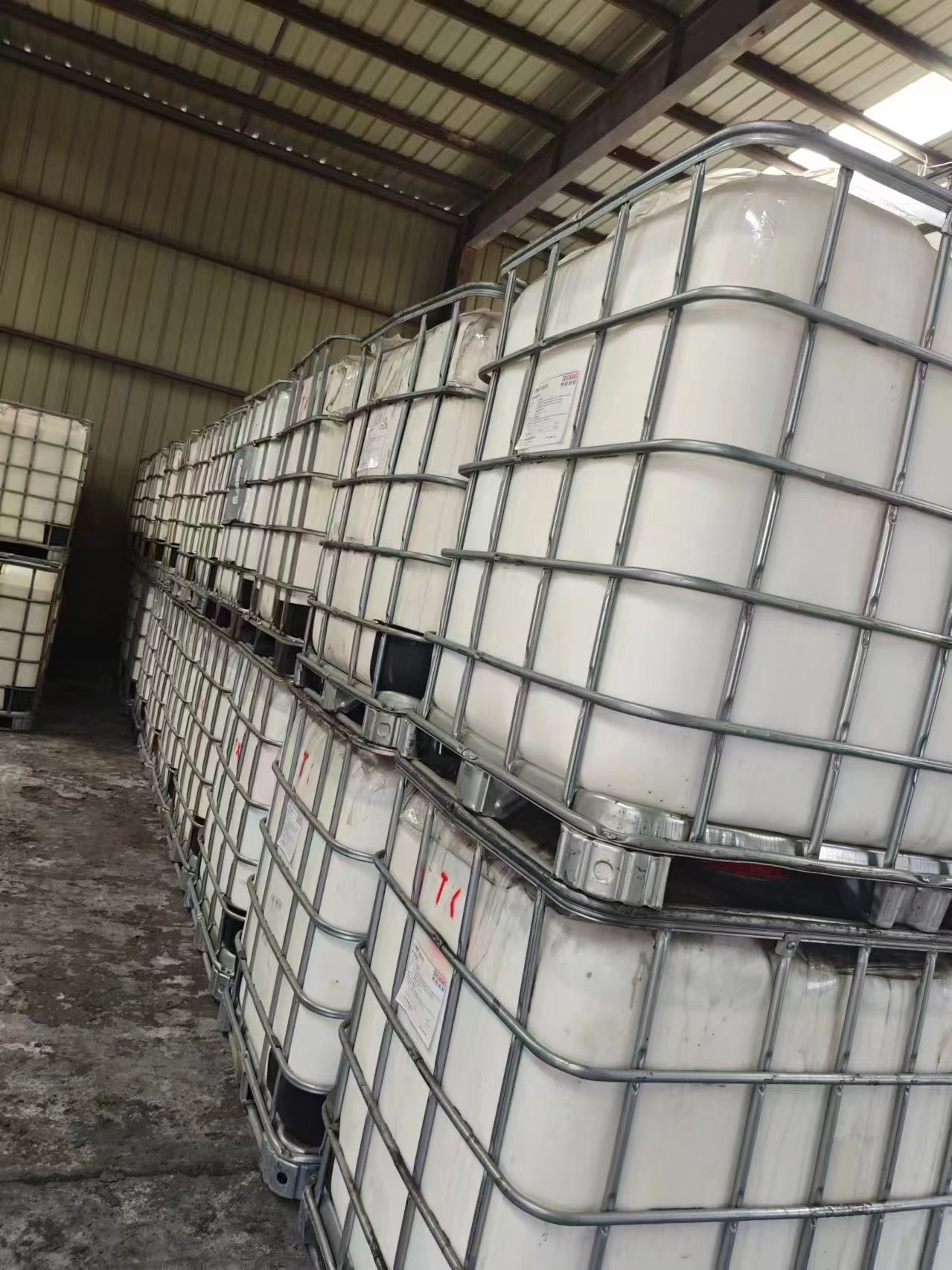
When a fine layer of dust meets certain reactive compounds, a transformation begins at the molecular level. Silicates and aluminates, often drawn from industrial byproducts, react with alkaline activators like sodium silicate or potassium hydroxide to form a gel that coats each particle. Over time, this gel crystallizes, locking the loose grains into a dense, stone-hard matrix. The process mirrors natural petrification, but it happens in hours rather than millennia. No ovens, no exotic catalysts—just the quiet chemistry of geopolymers bridging the gap between scattered particles and a load-bearing slab.
The secret lies in the activator’s ability to dissolve the surface of silica-rich dust, releasing reactive precursors that then repolymerize into chains of aluminosilicate. These chains weave an amorphous yet durable network, trapping what was once windblown sediment in a rigid embrace. In field trials, roads treated with such solutions have withstood monsoon rains and heavy truck traffic without cracking. Unlike cement, which relies on calcium-silicate hydration, these binders thrive on the very dust that often plagues construction sites, turning a nuisance into the main ingredient.
What truly sets the chemistry apart is its adaptability. By adjusting the ratio of activator to dust, the final material can range from slightly pliable to unyieldingly tough. Researchers have even incorporated organic additives—plant-based tannins, for example—to fine-tune setting times and enhance waterproofing. The result is a quiet revolution: suppressed dust on unpaved roads becomes the road itself, and mine tailings transform into stable platforms without a single truckload of imported aggregate. It’s a reminder that the most profound solutions often hide in plain sight, waiting for the right molecular key.
Mechanical Techniques That Pack Soil into Permanence
Soil packing is less about brute force and more about rhythm. The right mechanical technique doesn’t just press—it coaxes the ground into a new state. Rollers, tampers, and vibratory plates each have their own language. A sheepfoot roller, for instance, kneads the soil with a slow, determined grip, its protruding feet sinking in just enough to bind deep layers while leaving the surface rough and ready for the next pass. It’s a method that builds cohesion from the bottom up, not just a crust on top.
Vibratory compactors take a different approach, using rapid oscillations to liquefy particles just long enough for them to settle into a denser arrangement. The trick lies in matching frequency to the soil’s natural response—too slow and nothing shifts, too fast and the energy scatters uselessly. Operators who know their ground can feel the moment when the machine stops bouncing and starts humming in tune with the earth, a sign that voids are collapsing and the structure is locking into place. This isn’t guesswork; it’s an acquired sensitivity that turns a piece of heavy equipment into an extension of the hands.
Then there’s impact compaction, the heavy hitter that drops weight from height to drive air pockets out of stubborn soils. Each thud reshuffles the matrix below, but the real art is in the sequence—overlapping impact points so yesterday’s edge becomes today’s core. What emerges is a layered solidity that resists water, time, and the slow creep of settlement. It’s permanence earned through motion, one precise strike after another.
Lime vs. Cement vs. Enzymes: Picking the Right Ally
When you're standing at the crossroads of soil stabilization, the choice between lime, cement, and enzymes can feel like picking a dance partner for a marathon. Each one brings a distinct rhythm to the ground beneath your feet. Lime, with its slow and steady chemistry, works wonders on clay-rich soils, gently coaxing them into a more manageable state by swapping ions and reducing plasticity. It’s the patient ally, ideal for projects where time isn’t sprinting ahead and the soil needs a long-term transformation rather than a quick fix.
Cement, on the other hand, is the powerhouse that grabs the soil and sets it hard, fast. It binds particles with hydraulic determination, making it a go-to for granular soils that need instant strength and load-bearing heft. But it’s not without its quirks—too much moisture or the wrong soil chemistry, and you might end up with a brittle temperament instead of enduring support. Then there are enzymes, the bio-catalysts that quietly optimize compaction by breaking down surface tension, letting water and particles cozy up more efficiently. They’re the eco-conscious whisperers, best suited for well-graded materials where a little biological nudge can slash water needs and boost density without altering the soil’s pH or adding bulk.
Picking the right ally hinges on reading the ground’s story—its mineral makeup, moisture mood, and the stresses it will face. Lime begs for fine-grained, plastic soils; cement thrives where gravel and sand dominate; enzymes hum best in the middle ground, with a mix that’s almost right but just needs a cohesion boost. Forget the one-size-fits-all script, because the earth under your boots has its own voice, and the smart choice listens before it acts.
How to Stop Water from Washing Away Your Hard Work
Water has a sneaky way of undoing even the most carefully built structures, especially when you’re working with loose materials like soil, gravel, or sand. The trick is to slow it down before it gains momentum. One of the simplest yet often overlooked methods is to create subtle diversion channels—shallow, winding paths lined with stones or vegetation that guide runoff away from your work area. These don’t need to look engineered; a natural meander can blend right into the landscape while quietly protecting your efforts.
Layering is your best friend against erosion. Instead of just piling material and hoping it stays, think like a riverbed: larger stones on the bottom, progressively smaller pieces above, and a binding layer of something fibrous or interlocking on top. For garden beds or sloped projects, crushed gravel tamped down firm can act as a hidden skeleton, while a top dressing of mulch or groundcover plants holds everything in place. The roots of simple grasses or clover can weave a living net that’s incredibly resilient against splashing and sheet flow.
Sometimes the most effective fixes are the ones that work with the water instead of fighting it outright. Building small, permeable barriers—like a low berm of packed earth mixed with coarse sand—can absorb and redirect moisture without creating new problems downstream. A well-placed rain garden or a slightly sunken bed of thirsty native plants can turn runoff from a threat into a resource, all while keeping your hard work exactly where you left it.
Real Projects Where Mud Became All-Weather Roads Overnight
In rural Zambia, a stretch of road connecting three villages used to vanish each rainy season, turning into a treacherous slick that cut off access to markets and clinics. The solution wasn't asphalt or concrete—it was a locally sourced enzyme-based soil stabilizer sprayed directly onto the graded earth. Within hours, the treated surface hardened to a water-resistant, durable layer that didn't crack under heavy trucks. Locals called it "the road that drank the storm," and for the first time, ambulances could reach the area year-round.
Across the Pacific, in the Ecuadorian Amazon, a mining company faced constant delays when their haul roads dissolved into impassable bogs. They applied a polymer emulsion late one afternoon, mixing it into the top few inches of soil with basic graders. By dawn, the road felt like pavement—compression strength had quadrupled, and dust was down 80%. Even the week-long downpour that followed didn't wash it out, saving the operation from a projected six-figure loss in downtime.
These aren't isolated experiments; they're part of a quiet shift in road building. From the highlands of Peru to logging trails in Finland, crews are turning marginal dirt tracks into reliable arteries without heavy equipment or long curing times. The secret often lies in mimicking natural cementation found in petrified earth, but accelerated to happen overnight. When a community goes to bed with a mud path and wakes up to a firm road, it rewrites what's possible for remote transport.
FAQ
Mechanical compaction is often the first step—by compressing the soil with rollers or tampers, you force out air and moisture, creating a denser, more stable base. This can be combined with adding a well-graded gravel layer to interlock particles and reduce rutting.
Mixing a small amount of Portland cement into the soil triggers hydration, binding particles into a rigid, concrete-like layer. It’s quite practical for low-traffic rural roads because it uses local soil, requires minimal equipment, and significantly extends the road's lifespan with only occasional maintenance.
Lime triggers a chemical reaction with fine clay particles, reducing plasticity and making the soil crumble less. Over time, it forms calcium-silicate-hydrate bonds that harden like cement, turning slick mud into a firm, workable base that resists swelling and shrinking.
Liquid polymers coat soil particles, creating a flexible yet tough matrix that binds everything together. They’re gaining traction because they’re often more environmentally friendly, reduce dust dramatically, and can be applied without heavy machinery—ideal for remote or eco-sensitive areas.
Absolutely. Agricultural byproducts such as sugarcane molasses feed microbes that produce natural biopolymers, gluing particles together. Likewise, mixing in coir or jute fibers adds tensile strength, much like rebar in concrete, and both methods are low-cost and fully biodegradable.
Bitumen or asphalt emulsion is a go-to solution. The emulsion coats sand grains and, as it cures, creates a water-resistant, cohesive layer. This locks the particles in place, drastically reducing the dreaded washboard effect and improving ride quality without constant regrading.
Yes—deep-rooted grasses and shrubs can act as a living reinforcement. Their roots form a dense web that holds soil in place against erosion and traffic. For low-use trails, it’s surprisingly durable, though it needs careful species selection and time to establish, making it more a long-term ecological fix.
Conclusion
Unpaved roads are inherently vulnerable to rutting, dust, and washouts, largely because loose soil particles lack the cohesive strength to withstand traffic loads and weather extremes. Stabilization tackles these failures at the root by altering the soil's physical and chemical properties, turning weak, shifting ground into a dense, load-bearing surface. Through a combination of mechanical compaction and chemical binders like lime, cement, or enzyme-based formulas, the soil matrix is permanently transformed. This process eliminates the constant cycle of blading and regrading that keeps maintenance costs high, offering a long-term solution that can turn a dusty track into a road that performs like pavement without the prohibitive expense of asphalt or concrete.
Choosing the right method demands a clear-eyed assessment of the soil's clay content, moisture levels, and the expected traffic load. Lime is ideal for heavy clay soils, reacting with them to reduce plasticity and lock minerals together, while cement provides rapid strength gains across a wider range of soil types. In recent years, enzymatic stabilizers have gained traction as a greener alternative, accelerating natural cementation without the heavy carbon footprint of traditional binders. But all these chemical advances must be paired with diligent drainage control—crowning, ditching, and slope management are non-negotiable, because even stabilized soil erodes if water is allowed to pond or flow freely across the surface. From remote rural tracks in Africa to logging roads in the Pacific Northwest, projects that integrate these techniques have delivered all-weather access that holds up season after season, effectively converting mud paths into durable pathways that serve communities and commerce alike.
Contact Us
Contact Person: Helen
Email: [email protected]
Tel/WhatsApp: 86 18630661160
Website: https://www.roadmilestone.com/