

Sewer Pipe Cleaning Equipment Dealers: The Ultimate Guide to Choosing the Best
2026-04-05
Finding the right sewer pipe cleaning equipment can be a daunting task for any professional. With so many dealers and products on the market, it’s easy to feel overwhelmed. That’s why we’ve created this ultimate guide to help you navigate the complexities and make an informed decision. In this blog, we’ll explore key factors to consider, from durability and efficiency to cost and support, ensuring you choose equipment that meets your specific needs. Plus, discover how AMJET stands out as a leader in innovative solutions that enhance your operations. Ready to transform your approach? Let’s dive in and uncover the secrets to selecting the best equipment for your projects.
Understanding Different Types of Sewer Pipe Cleaning Tools
Sewer pipe cleaning tools come in various forms, each tailored to tackle specific blockages or maintenance needs. For instance, drain snakes, also known as augers, are manual or motorized devices that physically break up clogs by winding through pipes. They're ideal for softer obstructions like hair or grease buildup, offering a straightforward, cost-effective solution for homeowners and professionals alike. On the other hand, hydro-jetting uses high-pressure water streams to blast away debris, roots, and scale, providing a thorough clean that can restore pipe flow and prevent future issues. This method is often favored for its versatility across different pipe materials and its ability to handle tougher accumulations without causing damage.
Beyond these basics, more specialized tools exist for complex tasks. For example, sewer cameras play a crucial role in modern cleaning by allowing inspectors to visually identify problems within pipes before any cleaning begins. Equipped with lights and sensors, these cameras can pinpoint cracks, misalignments, or tree root intrusions, guiding targeted repairs and optimizing the cleaning process. Additionally, trenchless technologies like pipe bursting or relining offer minimal-dig solutions for severely damaged pipes, using internal tools to replace or repair sections without extensive excavation. These advanced options save time and reduce disruption, appealing to property owners looking for efficient, long-term fixes.
Choosing the right tool depends on factors such as pipe size, blockage severity, and material composition. For light maintenance, a simple plunger or hand auger might suffice, whereas severe root infestations might require hydro-jetting combined with root-killing chemicals. Professionals often assess conditions through camera inspections to select the most effective tool, ensuring not just a quick fix but also preventative care to extend pipe lifespan. By understanding these tools' strengths and limitations, users can make informed decisions that enhance efficiency and safety in sewer maintenance, whether for residential or commercial settings.
Key Features to Look for When Selecting Equipment Dealers
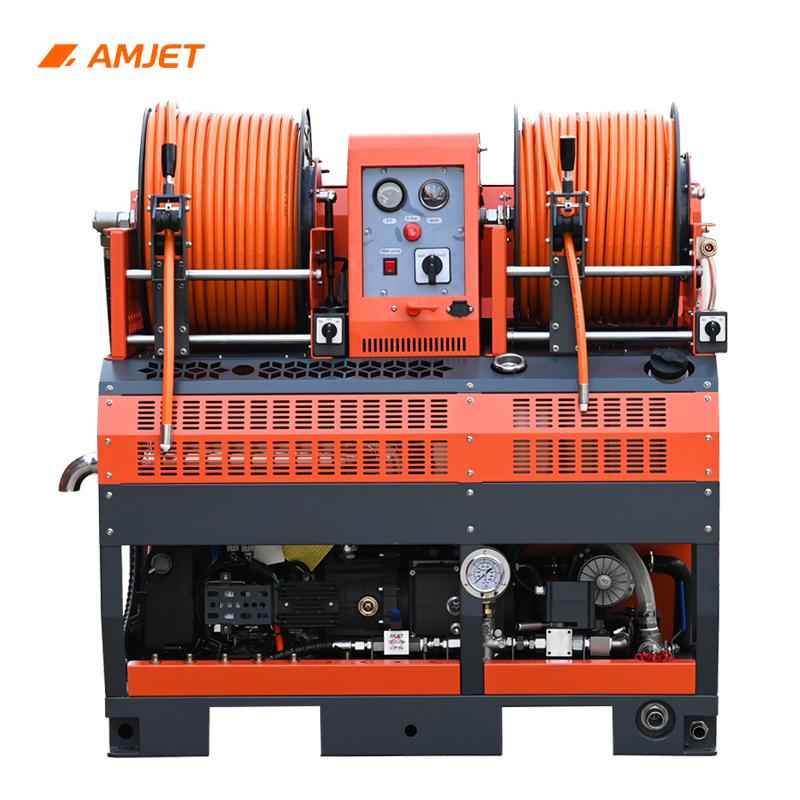
When diving into the world of equipment dealers, it's crucial to look beyond just price tags and flashy brochures. Start by assessing their reputation and customer feedback—real testimonials from other businesses can reveal a lot about reliability and service quality. Don't shy away from asking for references or checking online reviews; a dealer with a solid track record is often a safer bet for long-term partnerships. Additionally, consider their product range and whether they specialize in the specific machinery you need, as this can impact expertise and support availability.
Another key feature to focus on is the dealer's after-sales support and warranty offerings. It's not just about selling you the equipment; it's about standing by it post-purchase. Look for dealers who provide comprehensive maintenance plans, readily available spare parts, and responsive technical assistance—these elements can significantly reduce downtime and operational headaches. Moreover, inquire about training options for your staff, as proper usage can extend equipment lifespan and enhance efficiency, making it a smart investment beyond the initial sale.
Lastly, evaluate the dealer's flexibility and transparency in terms of financing and customization. A great dealer should offer tailored solutions, whether through lease options, financing plans, or modifications to suit your unique operational needs. Clear communication about costs, delivery timelines, and any hidden fees is essential to avoid surprises down the line. By prioritizing these aspects, you'll not only find a dealer that meets immediate requirements but also one that adds value through ongoing collaboration and trust.
Evaluating Durability and Maintenance Requirements for Long-Term Use
When considering products for extended periods, it's crucial to look beyond initial performance and assess how they'll hold up over years of use. Durability isn't just about resisting physical wear; it involves evaluating materials, construction quality, and environmental resilience. For instance, in electronics, this might mean checking for robust casings and reliable components that can withstand daily handling and temperature fluctuations. Similarly, in furniture, it involves inspecting joinery and finishes that prevent warping or fading. By focusing on these aspects upfront, you can make informed choices that reduce the need for frequent replacements, ultimately saving time and money while minimizing waste.
Maintenance plays a pivotal role in ensuring longevity, often requiring a proactive approach rather than reactive fixes. Different products demand varying levels of care—some might need regular cleaning or lubrication, while others require occasional software updates or part replacements. It's helpful to research typical maintenance schedules and assess whether they fit into your lifestyle; for example, a high-maintenance garden tool might not suit a busy homeowner. Opting for items with accessible service manuals, available spare parts, and user-friendly repair options can simplify upkeep. In many cases, investing a bit more in a product with lower maintenance needs pays off by reducing hassle and extending its functional life.
To stand out in discussions about long-term use, prioritize adaptability and future-proofing alongside traditional durability metrics. Look for features that allow for upgrades or modifications, such as modular designs or compatibility with emerging standards, which can extend a product's relevance. For example, in technology, choosing devices with expandable storage or open-source software support adds flexibility. Also, consider warranties and customer support—reliable backing from manufacturers often indicates confidence in product longevity and can provide peace of mind. By integrating these forward-thinking elements into your evaluation, you not only secure a durable item but also one that evolves with your needs, making it a smarter, standout investment in the long run.
Cost Considerations and Budgeting for Pipe Cleaning Solutions
When tackling pipe cleaning, the first step often involves looking beyond the initial price tag. Costs aren't just about hiring a service or buying a product; they're tied to the method's effectiveness and the long-term health of your system. Aggressive chemical cleaners might seem cheap upfront, but if they corrode pipes or require frequent reapplication, expenses can balloon. Conversely, mechanical methods like hydro-jetting might have a higher upfront fee, yet they can prevent recurring clogs and extend pipe lifespan, offering savings over time. It's crucial to weigh these trade-offs—consider not only what you pay today but what you might avoid paying tomorrow in repairs or replacements.
Budgeting wisely means anticipating hidden expenses that can derail your plans. For instance, older pipes may need inspection via camera surveys before cleaning, adding to the cost, but skipping this could lead to damage from incompatible methods. Insurance coverage or warranties on workmanship also play a role; a slightly pricier solution with a solid guarantee might prove more economical if issues arise. Additionally, factor in operational downtime—if a cleaning method disrupts water flow for days, indirect costs from business interruptions or inconvenience can outweigh the cleaning fee itself.
To stand out in a crowded market, focus on customizing your budget based on specific pipe conditions rather than relying on one-size-fits-all estimates. For example, a restaurant with grease-heavy drains might budget more for enzymatic treatments that break down organic matter safely, avoiding harsh chemicals that could taint food safety. By tailoring your approach and documenting past savings from preventive measures, you can justify higher initial investments and showcase real-world value, making your cost strategy both practical and persuasive.
How to Verify Dealer Reputation and Customer Support Quality
Checking out a dealer's reputation isn't just about scrolling through a few online reviews—it's about digging deeper to see how they really stack up. Start by looking at platforms like Google, Yelp, or industry-specific forums where customers share their experiences. Pay close attention to feedback on product quality, service responsiveness, and how issues are resolved. This isn't just a box-ticking exercise; it's your chance to spot patterns in customer satisfaction that can reveal a lot about their overall reliability and trustworthiness.
Customer support quality is another critical piece of the puzzle that can make or break your experience. When evaluating it, don't just rely on advertised claims. Reach out directly with questions or concerns to test their response times and problem-solving skills. Notice if they offer multiple contact methods like live chat, email, or phone, and see how consistently they deliver helpful, friendly assistance. A dealer that genuinely cares about customer support will go the extra mile to ensure you feel valued and heard—not just during a purchase, but long after.
To stand out, combine these approaches in a personalized way. For example, consider setting up a small test scenario, like asking about a product detail or requesting a return policy clarification, to gauge their attentiveness firsthand. This proactive step can provide insights beyond generic reviews, helping you identify dealers who truly prioritize customer satisfaction and build lasting trust. By focusing on these practical actions, you'll be better equipped to choose a partner that aligns with your needs and expectations.
Tips for Testing and Comparing Equipment Before Purchase
When you're in the market for new gear, it's crucial to get hands-on experience before committing to a purchase. Start by testing the equipment in a real-world setting that matches how you plan to use it—whether that's trying out a camera in varying lighting conditions or checking the ergonomics of a tool over extended work periods. This approach helps you uncover nuances that specs alone can't reveal, like how intuitive the controls feel or how well the device handles stress.
Don't just rely on manufacturer demos; compare multiple models side-by-side to spot differences in performance and build quality. Bring along your own benchmarks, such as testing battery life under your typical usage patterns or gauging noise levels in quiet environments. Engaging with user communities or reading in-depth reviews from trusted sources can also provide insights into long-term reliability, helping you avoid surprises down the line.
Finally, consider the overall value beyond the initial price tag. Factor in aspects like warranty support, availability of accessories, and how easily you can upgrade components. A thorough comparison might reveal that a slightly more expensive option offers better durability or features that save time and money in the long run, making it a smarter investment for your needs.
FAQ
Dealers typically provide a range of equipment, including high-pressure water jetters, drain snakes, inspection cameras, and pipe bursting systems, tailored for residential, commercial, and industrial applications.
Look for dealers with strong customer reviews, industry certifications, transparent warranty policies, and a track record of providing after-sales support and maintenance services.
Beyond initial cost, evaluate factors like equipment durability, energy efficiency, availability of spare parts, training options, and potential long-term savings on repairs and downtime.
Yes, many dealers offer environmentally conscious products, such as water-efficient jetters, biodegradable cleaning solutions, and equipment designed to reduce chemical use and minimize waste.
Consider the pipe diameter, length, material, and common blockage types in your system; consult with dealers who can provide on-site assessments and tailored recommendations to avoid over- or under-sizing.
Reputable dealers often include hands-on training sessions, detailed manuals, online tutorials, and access to technical support to ensure safe and effective operation of the equipment.
Many dealers work with manufacturers to customize equipment, such as modifying nozzle designs or adding specialized attachments, to address specific issues like severe corrosion or complex layouts.
Conclusion
Choosing the right sewer pipe cleaning equipment dealer is crucial for businesses aiming to optimize maintenance operations and maximize efficiency. This guide emphasizes the importance of understanding various types of cleaning tools, such as hydro-jetting machines and augers, which cater to different pipe sizes and blockage severities. Beyond equipment variety, key features like warranty coverage, technical support, and dealer expertise play a significant role in ensuring a reliable partnership that prevents costly downtimes. By integrating these aspects, organizations can better assess durability and maintenance needs, aligning long-term solutions with environmental factors and usage frequency to sustain performance over time.
Effective selection also involves thorough cost considerations and budgeting strategies, balancing upfront expenses against long-term savings through energy-efficient models or flexible financing options. Verifying dealer reputation through customer reviews and industry certifications helps gauge reliability, while proactive testing and comparison of equipment before purchase allow for hands-on evaluation of functionality and compatibility. This holistic approach, combined with tips for assessing supplier responsiveness and ongoing support, enables informed decisions that enhance operational resilience, minimize risks, and secure value-driven investments tailored to specific cleaning challenges.
Contact Us
Contact Person: Mike
Email: [email protected]
Tel/WhatsApp: +86 19545555505
Website: https://www.amjeting.com/