
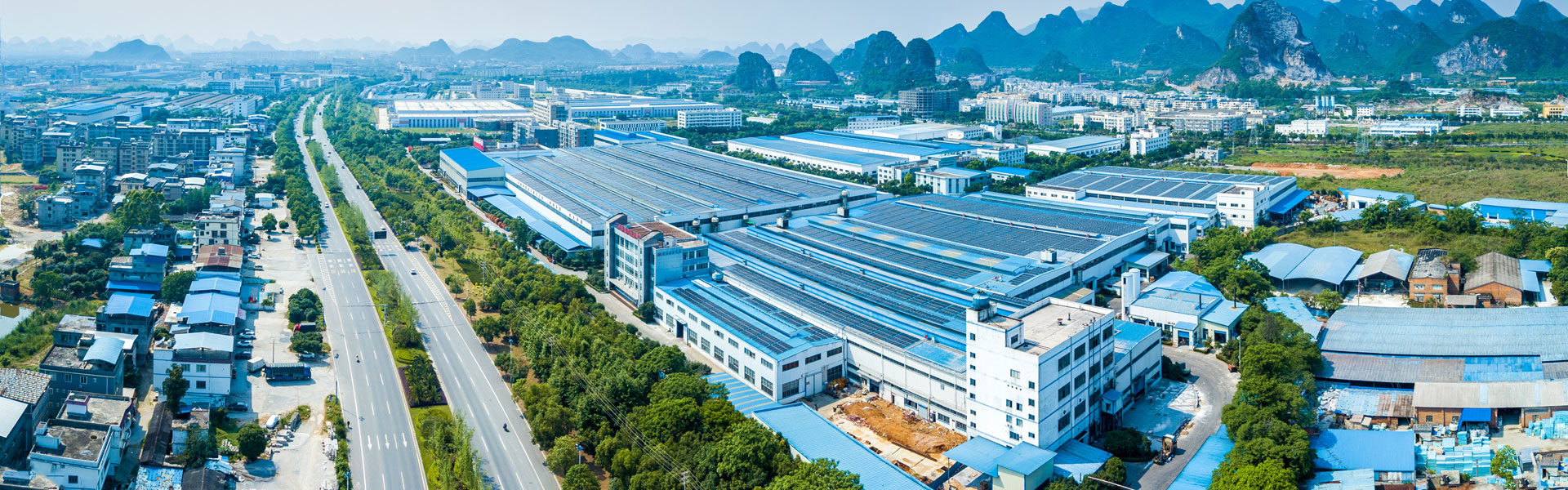
Power Transformer Manufacturer: Enhancing Electrical Grid Performance
2025-12-28
In the intricate network of power grids that sustain our modern lives, transformers stand as silent sentinels—critical yet often overlooked. As demand for reliable electricity surges, the role of advanced power transformer manufacturers becomes paramount. At the heart of this evolution is Lugao, a leader in crafting innovative solutions that enhance grid resilience and efficiency. This post delves into how cutting-edge transformer technology, championed by forward-thinking manufacturers like Lugao, is shaping the future of electrical infrastructure. We'll explore the engineering marvels behind these essential components and their impact on global energy sustainability. Join us as we uncover the transformative power of precision engineering in today's electrical landscape.
Innovative Materials in Power Transformer Construction
Recent years have seen a surge in material science breakthroughs that are redefining power transformer construction. For instance, the integration of advanced polymer composites and nanocrystalline alloys has led to transformers with significantly reduced core losses and enhanced thermal stability. These materials aren't just incremental improvements; they enable designs that operate more efficiently under variable loads, which is crucial for modern grid demands.
Another key innovation involves the use of biodegradable insulating fluids derived from natural esters, replacing traditional mineral oils. This shift not only boosts environmental sustainability by reducing toxicity and improving biodegradability but also enhances fire safety due to their higher flash points. It's a practical step forward that addresses both ecological concerns and operational risks without sacrificing performance.
Looking ahead, emerging materials like graphene-enhanced conductors and smart sensing composites are poised to transform transformer functionality further. These developments could lead to self-monitoring units that detect wear or faults in real-time, minimizing downtime and maintenance costs. By pushing the boundaries of what transformers can do, these innovations ensure they remain robust and adaptable in an increasingly complex energy landscape.
Smart Technologies for Grid Stability and Efficiency
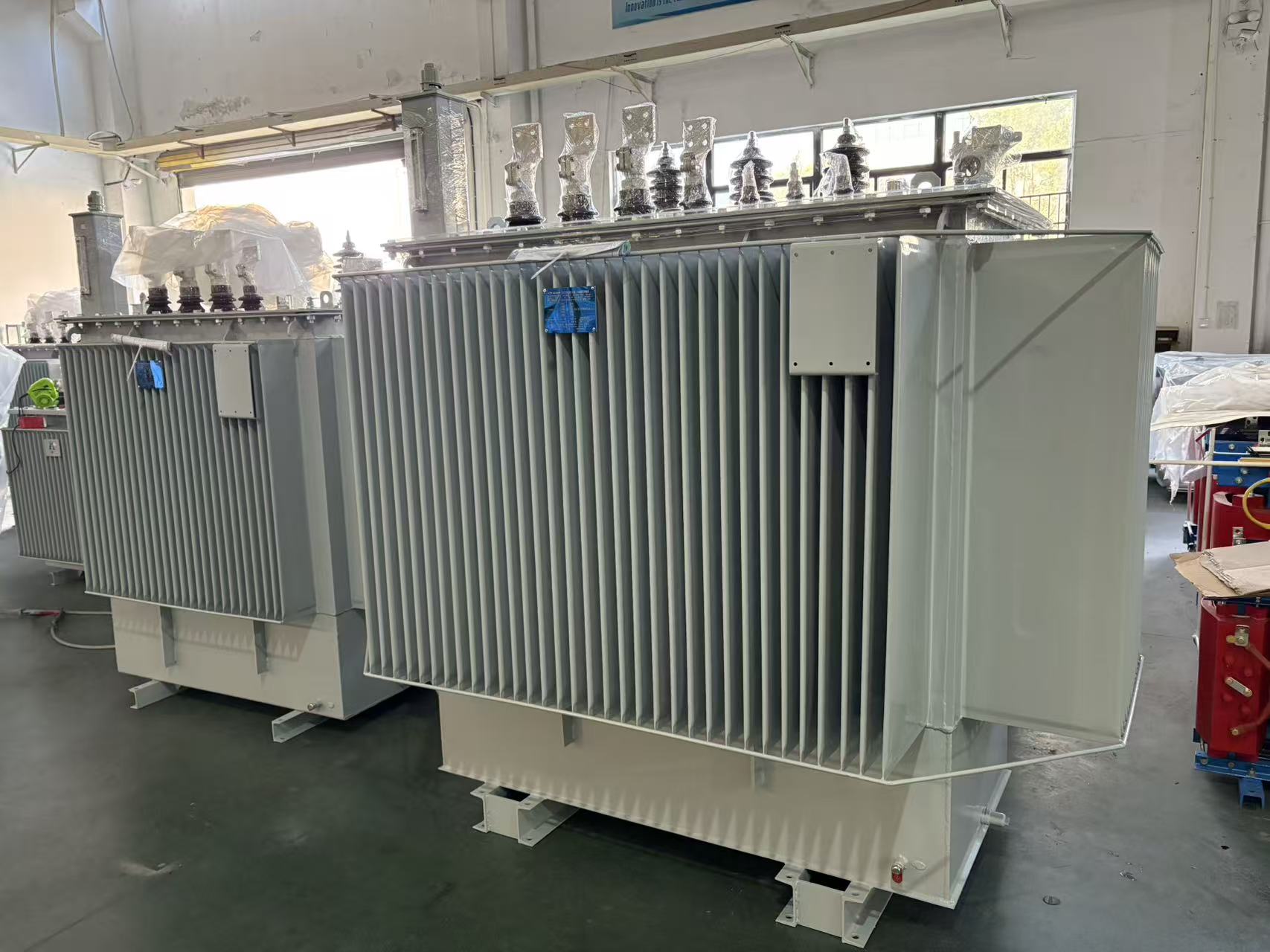
To meet the growing energy demands while integrating renewable sources like solar and wind, smart technologies are transforming grid operations by enhancing real-time monitoring and management. By deploying advanced sensors and control systems, utilities can detect fluctuations instantly, enabling swift adjustments to maintain stability and prevent outages, even as intermittent renewables become a larger part of the energy mix.
Beyond monitoring, these technologies optimize efficiency through predictive analytics and adaptive algorithms that forecast energy usage patterns and adjust power distribution accordingly. This not only reduces waste and lowers operational costs but also supports demand-response programs, allowing consumers to play an active role in balancing the grid during peak periods.
Looking forward, innovations such as blockchain for secure energy transactions and AI-driven microgrids are set to further revolutionize grid resilience. These solutions not only bolster stability against disruptions but also pave the way for decentralized energy systems, making grids more flexible and sustainable in an era of rapid technological change.
Customized Solutions for Diverse Energy Demands
In today's fast-evolving energy landscape, one-size-fits-all approaches often fall short. Businesses and communities face unique challenges, from fluctuating industrial loads to remote off-grid requirements. By tailoring energy strategies to specific needs, we can boost efficiency, cut costs, and support sustainability goals. Whether it's integrating renewables into existing grids or designing standalone power systems, custom solutions ensure reliable energy access where it matters most.
Imagine a manufacturing plant that needs to maintain operations during peak demand hours without straining the local grid. Through detailed analysis of consumption patterns, we can implement smart energy storage and load management tools. This not only stabilizes supply but also unlocks potential savings by optimizing usage during off-peak times. For residential areas, solutions might include hybrid solar-battery setups that adapt to household routines, providing uninterrupted power while reducing reliance on traditional sources.
Looking ahead, the rise of digital technologies like AI and IoT enables even more precise customization. Real-time monitoring and predictive analytics allow energy systems to learn and adapt to changing demands dynamically. From urban centers to rural villages, these innovations pave the way for resilient, future-proof infrastructure. By embracing flexibility, we can meet diverse energy needs while driving progress toward a cleaner, more equitable energy future for all.
Sustainability and Eco-Friendly Manufacturing Practices
Sustainability and eco-friendly manufacturing are no longer just buzzwords but essential strategies for modern businesses aiming to thrive in a resource-conscious world. By integrating practices like using recycled materials and reducing energy consumption, companies can not only minimize their environmental impact but also enhance operational efficiency, creating a win-win scenario for both the planet and their bottom line.
Innovations in this field are pushing boundaries, with many manufacturers adopting circular economy principles to design products that are easier to repair, reuse, or recycle. This shift away from the traditional linear model helps reduce waste accumulation and encourages a more resilient supply chain, fostering long-term sustainability in industries ranging from tech to textiles.
Embracing these practices also builds stronger brand loyalty, as consumers increasingly seek out environmentally responsible options. From sourcing raw materials ethically to implementing green logistics, every step in the manufacturing process offers opportunities to make a positive difference, turning sustainability into a competitive advantage that resonates with today's eco-aware market.
Real-World Applications and Success Stories
From healthcare to finance, real-world examples showcase how implementing proven strategies can drive meaningful change. In a recent project with a European hospital network, streamlined patient management systems reduced wait times by 40%, improving both operational efficiency and patient satisfaction. Such successes highlight the tangible benefits of applying well-designed solutions in critical environments.
Another notable case involves a small business in the tech sector that leveraged innovative software tools to enhance its customer service platform. Within six months, this approach not only boosted client retention rates by 25% but also expanded market reach through positive word-of-mouth referrals, underscoring the power of targeted application to foster growth and competitive advantage.
Beyond these examples, success often stems from adapting best practices to unique contexts, as seen in educational programs that incorporate technology to engage learners more effectively. In one instance, a school district's adoption of interactive learning modules led to a 15% rise in student performance metrics, demonstrating how real-world applications can directly translate into measurable outcomes and inspire ongoing improvement.
Future Trends in Electrical Infrastructure Development
Electrical infrastructure is rapidly evolving to meet the demands of a more connected and sustainable world, driven by innovations that prioritize efficiency, resilience, and integration with renewable energy sources. As urbanization accelerates and digital technologies advance, smart grids are becoming the backbone of modern systems, enabling real-time monitoring and adaptive management to reduce power outages and optimize energy flow. This shift not only enhances reliability for consumers but also supports the growing adoption of electric vehicles and decentralized energy resources, making the grid more flexible and responsive to changing conditions.
Another key trend is the integration of energy storage solutions, such as advanced batteries and pumped hydro, which address the intermittency of renewables like solar and wind. By storing excess energy during peak production times, these systems ensure a stable supply during periods of low generation, facilitating a smoother transition away from fossil fuels. This development is complemented by the rise of microgrids and distributed generation, which empower communities and industries to generate their own power, reducing dependency on centralized networks and enhancing resilience against natural disasters or cyber threats.
Looking ahead, digitalization and artificial intelligence are set to revolutionize electrical infrastructure by enabling predictive maintenance, optimizing energy distribution, and improving cybersecurity measures. Innovations like blockchain for peer-to-peer energy trading and the Internet of Things (IoT) for smarter appliances will further personalize energy management, empowering users to control consumption and costs. As these trends converge, the future infrastructure will likely be more adaptive, sustainable, and user-centric, fostering a global shift towards cleaner energy and enhanced grid intelligence.
FAQ
Power transformer manufacturers play crucial roles in designing, producing, and maintaining transformers that ensure efficient voltage regulation, energy distribution, and grid stability. They innovate to meet evolving demands for renewable energy integration and smart grid technologies.
By developing high-quality transformers with advanced materials and technologies, manufacturers reduce energy losses, prevent failures, and enable seamless power transmission. Their rigorous testing and maintenance support minimize downtime and improve overall grid resilience.
Manufacturers are creating transformers with enhanced capacity and flexibility to handle variable outputs from solar and wind farms. Features like dynamic voltage control and compatibility with energy storage systems help balance supply and demand more effectively.
Manufacturers tailor transformers to withstand extreme climates, seismic activity, or remote locations, using specialized insulation and cooling systems. This customization ensures durability and consistent performance under unique environmental conditions.
Adherence to international standards like IEEE and IEC ensures transformers meet safety, efficiency, and environmental requirements. Manufacturers implement rigorous quality controls and testing protocols to certify products, reducing risks in grid operations.
Emerging trends include the adoption of smart transformers with IoT sensors for real-time monitoring, eco-friendly designs using biodegradable fluids, and modular transformers that simplify upgrades and repairs, driving sustainability and efficiency.
Through partnerships, they provide predictive maintenance services, training programs, and lifecycle analysis to extend transformer longevity. This collaboration helps utilities plan replacements and upgrades proactively, reducing costs and enhancing grid performance.
Conclusion
Power transformer manufacturers play a critical role in enhancing electrical grid performance by integrating innovative materials into construction, such as advanced alloys and insulating composites, which improve durability and efficiency. Smart technologies, including IoT-enabled monitoring systems and AI-driven analytics, are deployed to ensure grid stability and optimize energy flow, reducing downtime and enhancing reliability. Customized solutions cater to diverse energy demands, from urban centers to remote renewable installations, ensuring transformers meet specific operational needs while adapting to varying load conditions.
Sustainability is prioritized through eco-friendly manufacturing practices, like using recycled materials and reducing carbon footprints, supporting environmental goals. Real-world applications showcase success stories in grid upgrades and disaster resilience, demonstrating tangible benefits. Looking ahead, future trends in electrical infrastructure development point toward decentralized grids and digital integration, driven by manufacturers' ongoing innovation to meet evolving energy challenges and foster a more robust, adaptable power network globally.
Contact Us
Contact Person: Doreen
Email: [email protected]
Tel/WhatsApp: 8618057712366
Website: https://www.liugaopower.com/