
Plastic Lumber Machine Solutions: Transforming Waste into Durable Building Materials
2026-03-17
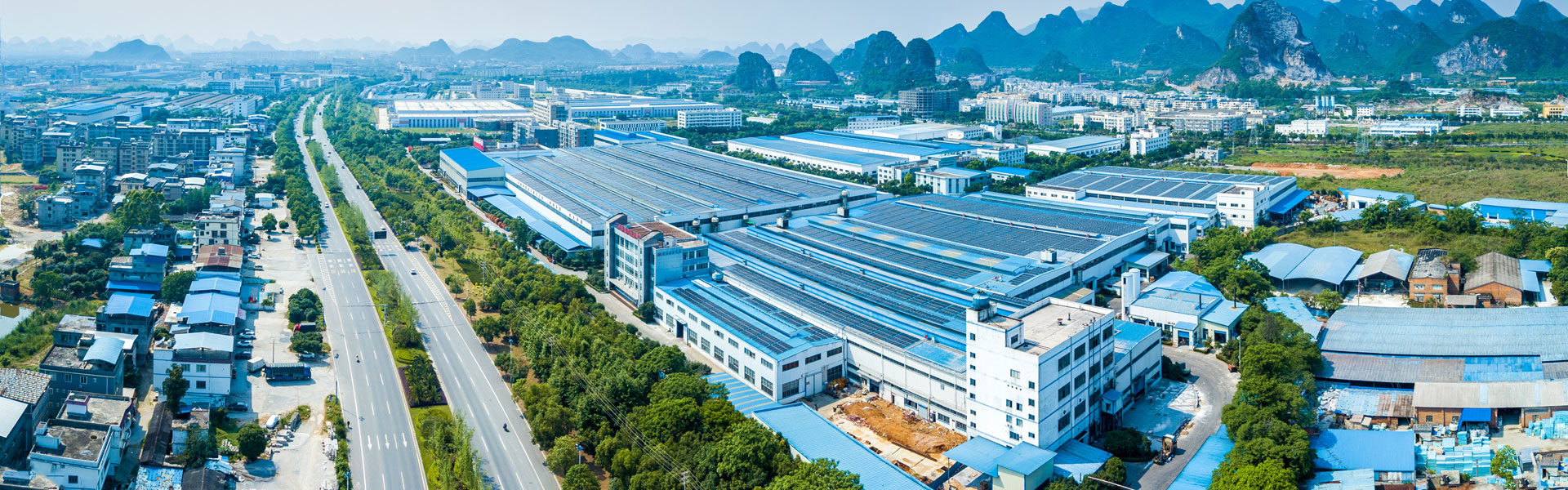
In a world grappling with environmental challenges and waste accumulation, innovative solutions are turning discarded plastics into valuable resources. At the forefront of this green revolution is Yongte, a leading provider of plastic lumber machine solutions that seamlessly transform waste into durable, eco-friendly building materials. Imagine giving plastic waste a second life—creating robust structures for homes, parks, and infrastructure while reducing landfill burden. This blog delves into how Yongte's cutting-edge technology is reshaping industries and paving the way for a sustainable future. Curious to learn more about this transformative process? Dive in as we explore the mechanics, benefits, and real-world applications of plastic lumber, and discover why Yongte stands out in this dynamic field. Get ready to be inspired by the power of innovation and environmental stewardship!
Revolutionizing Construction with Plastic Lumber Technology
Imagine a building material that not only withstands all weather conditions but also helps reduce the massive plastic waste clogging our landfills. Plastic lumber technology is doing just that by turning discarded plastics into durable, low-maintenance alternatives to traditional wood. Unlike timber, these engineered products resist rot, insects, and moisture, making them ideal for outdoor decks, fencing, and even structural elements in eco-friendly homes. This innovation is a game-changer for architects and builders looking to create sustainable projects without compromising on strength or aesthetics.
What sets plastic lumber apart is its versatility and long-term cost-efficiency. While initial installation might mirror wood costs, its minimal upkeep means savings over time—no more painting, sealing, or termite worries. Companies are now producing varieties that mimic wood grain textures, offering a natural look without the environmental toll of deforestation. From bustling urban parks to seaside boardwalks, these materials prove that plastics can have a second life, contributing to circular economies while enhancing construction durability.
How Plastic Lumber Machines Turn Waste into Sustainable Building Blocks
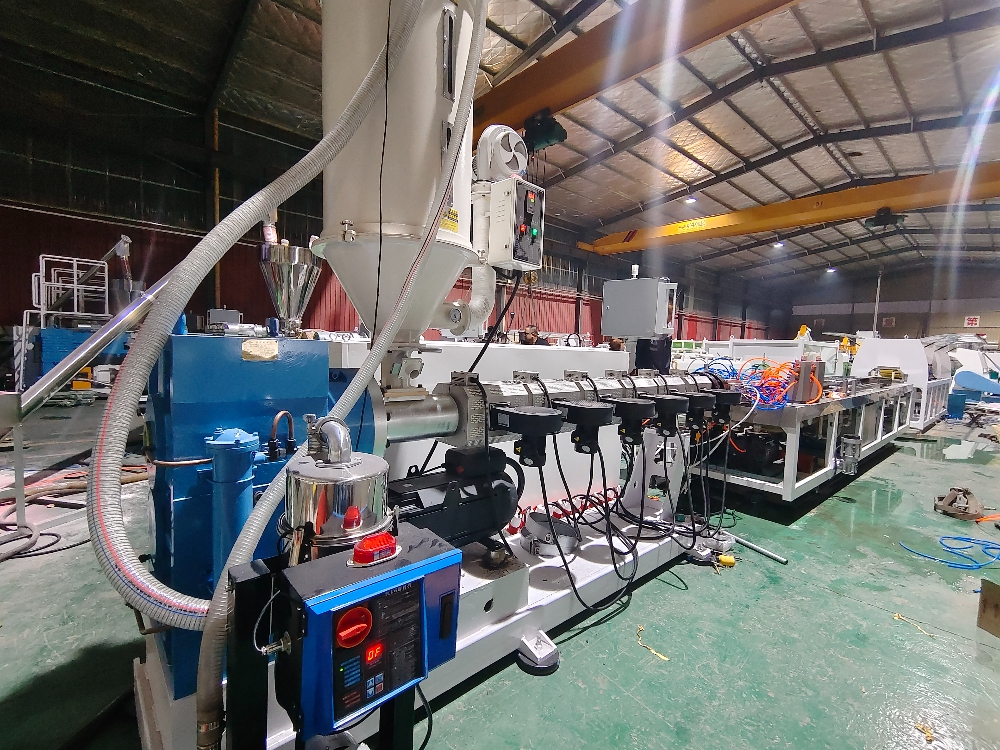
Plastic lumber machines revolutionize recycling by transforming discarded plastics, like bottles and packaging, into durable building materials. Through a process that involves shredding, melting, and extrusion, these machines create planks, beams, and other structural components that mimic wood but offer superior resistance to moisture, rot, and insects. This not only diverts tons of waste from landfills but also provides a sustainable alternative for construction projects, reducing reliance on natural timber and lowering the carbon footprint of building endeavors.
Innovations in plastic lumber technology allow for customization in terms of color, texture, and strength, making the resulting materials versatile for everything from park benches to decking and fencing. By utilizing a mix of plastic types, including difficult-to-recycle varieties, these machines enhance the overall efficiency of recycling systems. The end products are not only eco-friendly but also long-lasting, often outperforming traditional materials in harsh weather conditions, thereby contributing to more resilient infrastructure.
Beyond environmental benefits, the adoption of plastic lumber machines fosters economic opportunities by creating jobs in recycling and manufacturing sectors. They support a circular economy model where waste is continuously repurposed into valuable resources, inspiring communities and industries to rethink their approach to sustainability. As awareness grows, these machines are becoming integral to green building initiatives worldwide, paving the way for a cleaner, more resource-efficient future.
Key Features of Advanced Plastic Lumber Processing Equipment
One standout aspect of modern plastic lumber processing equipment is its enhanced automation capabilities, which significantly boost production efficiency. Unlike older models, these machines integrate sophisticated sensors and control systems that monitor material flow and temperature in real-time, allowing for seamless adjustments without manual intervention. This not only reduces labor costs but also minimizes errors, ensuring a consistent output of high-quality plastic lumber that meets strict industry standards for durability and eco-friendliness.
Another key feature is the versatility in handling diverse waste materials, such as mixed plastics and post-consumer scraps, which many competitors struggle with. Advanced extrusion and compounding technologies enable these systems to process a wide range of inputs, transforming them into uniform, sturdy lumber products without compromising on strength or appearance. This flexibility makes the equipment ideal for sustainable projects, helping businesses reduce their environmental footprint while diversifying their product lines to meet market demands for green alternatives.
Additionally, the durability and low maintenance design of these processing units set them apart, with components engineered to withstand high-stress operations over extended periods. By incorporating corrosion-resistant materials and easy-access parts, manufacturers ensure minimal downtime and reduced repair needs, providing a cost-effective solution that appeals to both large-scale operations and smaller setups looking to invest in reliable, long-term technology for plastic lumber production.
Benefits of Using Plastic Lumber Over Traditional Building Materials
Plastic lumber, often made from recycled plastics, offers a durable and eco-friendly alternative to wood, steel, or concrete. Unlike traditional materials that may warp, rot, or corrode over time, plastic lumber resists moisture, insects, and harsh weather conditions, reducing maintenance costs and extending lifespan in outdoor applications such as decking and fencing. Its production helps divert plastic waste from landfills, promoting sustainability without sacrificing strength or aesthetics.
Another key advantage lies in its versatility and ease of installation. Plastic lumber is lightweight yet sturdy, making it simpler to handle and assemble compared to heavy wood or metal, which often requires specialized tools or expertise. Available in various colors and textures, it mimics the look of wood without the need for staining or sealing, providing a low-maintenance solution that retains its appearance over years of use in residential and commercial projects.
From a long-term perspective, plastic lumber can be more cost-effective than traditional options. While the initial investment might be higher, savings accrue through reduced upkeep, as it avoids issues like splintering, fading, or chemical treatments. Additionally, its resistance to elements means fewer replacements, contributing to lower lifecycle costs and a smaller environmental footprint, making it a smart choice for builders focused on both durability and green initiatives.
Applications and Case Studies in Eco-Friendly Construction Projects
Take the innovative solar panel integration at the new downtown library in Seattle, where photovoltaic glass not only generates a significant portion of the building's energy needs but also reduces glare for readers, showcasing how renewable technologies can enhance both environmental efficiency and user experience. This project went beyond mere installation by incorporating real-time energy monitoring systems that adjust lighting and temperature based on occupancy, resulting in a 40% reduction in energy consumption compared to conventional designs. Such applications highlight the tangible benefits of combining sustainable materials with smart systems to create structures that are not just green but also highly functional and cost-effective over their lifecycle.
A compelling case study comes from the restoration of a historical school building in Vermont, which was retrofitted with locally sourced reclaimed wood and straw-bale insulation to improve thermal performance without compromising its original architectural integrity. By prioritizing non-toxic paints and low-VOC adhesives, the project addressed indoor air quality concerns, leading to a 30% drop in reported student allergies and absenteeism. What sets this apart is its community-driven approach, involving local artisans and workshops that boosted the regional economy while educating residents about sustainable practices, demonstrating that eco-friendly construction can foster social cohesion alongside environmental stewardship.
In urban settings, densification projects like the mixed-use development in Toronto illustrate how green roofs and permeable pavements mitigate stormwater runoff and heat island effects, with sensors showing a measurable decrease in local temperatures during summer peaks. Beyond standard certifications, the project emphasized biodiversity by integrating native plant species that support pollinators, turning rooftops into thriving ecosystems. This forward-thinking application not only meets regulatory requirements but also inspires future developments to view construction as an opportunity for ecological regeneration rather than just resource consumption, pushing the boundaries of what sustainable urban living can achieve.
Future Trends and Innovations in Plastic Lumber Manufacturing
In recent years, the plastic lumber industry has seen a surge in innovative materials and processes, driven by the push for sustainability and efficiency. One notable trend is the integration of advanced composite materials, combining recycled plastics with natural fibers like bamboo or hemp to enhance durability and reduce environmental impact. This not only diverts waste from landfills but also creates products with superior strength and weather resistance compared to traditional wood alternatives. Manufacturers are increasingly adopting 3D printing techniques for custom designs, allowing for intricate shapes and applications in urban landscapes, such as modular park benches or lightweight decking systems.
Another exciting development is the implementation of smart technology in plastic lumber production. Sensors embedded within the materials can monitor structural integrity over time, providing real-time data on stress and wear. This innovation is particularly valuable for infrastructure projects, where long-term performance is critical. Additionally, the use of AI-driven recycling systems streamlines the sorting and processing of plastic waste, ensuring higher purity and consistency in raw materials. As these technologies mature, they pave the way for more cost-effective and eco-friendly manufacturing, reducing reliance on virgin plastics and lowering carbon footprints.
Looking ahead, the industry is poised for further transformation through bioplastic innovations and circular economy models. Researchers are exploring biodegradable additives that can make plastic lumber compostable under specific conditions, addressing end-of-life concerns. Coupled with initiatives to establish closed-loop supply chains, where products are designed for easy disassembly and reuse, this shift could redefine how we perceive plastic-based materials. By staying ahead of these trends, manufacturers not only meet regulatory demands but also capture new market opportunities in green construction and sustainable design.
FAQ
It processes plastic waste into durable, eco-friendly building materials like lumber, helping reduce landfill and pollution.
Plastic lumber is resistant to rot, insects, and moisture, requires less maintenance, and uses recycled plastics, making it more sustainable for various applications.
These machines can handle various plastic wastes, including PET bottles, HDPE containers, and mixed plastics, transforming them into usable construction products.
Industries such as construction, landscaping, and infrastructure benefit by using plastic lumber for decks, fences, park benches, and durable outdoor structures.
Yes, many models are scalable and efficient, allowing small businesses to invest in local recycling and production, creating value from waste with lower long-term costs.
They promote circular economy by reducing plastic pollution, conserving natural resources like timber, and lowering carbon emissions compared to conventional manufacturing methods.
Plastic lumber typically lasts decades without decay, outlasting many wood products in harsh conditions, making it a reliable choice for sustainable building projects.
Initial investment costs, sourcing consistent waste materials, and ensuring proper machine maintenance can be challenges, but solutions exist through partnerships and efficient design.
Conclusion
Plastic lumber machine solutions are at the forefront of transforming waste into durable building materials, revolutionizing construction with innovative technology that turns plastic refuse into sustainable building blocks. This process not only addresses environmental concerns by repurposing plastic waste but also offers a practical alternative to traditional materials like wood and concrete. Advanced equipment features, such as efficient melting and molding systems, enable the production of high-quality plastic lumber that withstands weathering, decay, and pests. By integrating these aspects, the technology showcases how plastic lumber machines are key to creating eco-friendly construction solutions, with applications ranging from decking to structural components in various projects. This approach highlights the shift towards more resilient and sustainable building practices, emphasizing the role of machinery in converting waste into valuable resources.
The benefits of using plastic lumber over traditional materials include enhanced durability, reduced maintenance, and lower environmental impact, as it repurposes non-biodegradable waste into long-lasting products. Case studies in eco-friendly construction demonstrate successful implementations, such as in public parks and residential developments, where plastic lumber has proven effective for fences, benches, and walkways. Looking ahead, future trends and innovations in plastic lumber manufacturing focus on improving efficiency, expanding material compatibility, and increasing aesthetic options to mimic natural wood. These advancements suggest a growing adoption of this technology, positioning plastic lumber as a versatile and sustainable choice in the construction industry, driven by ongoing research and development to further optimize the transformation process from waste to durable building materials.
Contact Us
Contact Person: Ms Qin
Email: [email protected]
Tel/WhatsApp: 8613583233866
Website: https://www.yongteplast.com