

ODM Closed-Type Goggle Valve: Unlocking Industrial Flow Control Efficiency
2026-07-10
In the labyrinth of industrial flow control, the right valve can mean the difference between seamless operation and costly downtime. Enter the ODM Closed-Type Goggle Valve—a precision-engineered solution that redefines reliability and efficiency. Whether you're managing aggressive media or demanding shut-off applications, this valve’s robust design delivers leak-proof performance where it counts. At the heart of this innovation is THT, a name synonymous with engineering excellence. Join us as we unpack how this valve unlocks new levels of operational efficiency, and why it's becoming the go-to choice for industries that refuse to compromise.
The Mechanics Behind Positive Isolation
At its core, positive isolation relies on a physical barrier rather than instrumentation or control logic. A valve, spade, or blind is manually inserted into the pipeline to create an absolute separation between hazardous and working environments. This barrier is engineered to withstand full line pressure and, crucially, to remain effective even during power outages or control system failures.
The process begins with a detailed isolation plan that identifies all potential energy sources—process fluids, residual pressure, and trapped heat. Once the system is depressurized and purged, a double block and bleed setup is often used, where two valves are closed and the space between them is opened to atmosphere. This arrangement provides immediate visual confirmation that no leakage is bypassing the first barrier, making the isolation visibly verifiable and almost foolproof.
Proper execution demands rigorous component selection and strict adherence to procedures. Blind flanges must be correctly rated, gaskets confirmed compatible with the process media, and torque values applied precisely. Even the smallest oversight—a misaligned gasket or a partly closed valve—can compromise the entire isolation, underscoring why field verification and independent checks remain non‑negotiable steps before work permits are signed.
How Tight Shut-Off Reduces Downtime
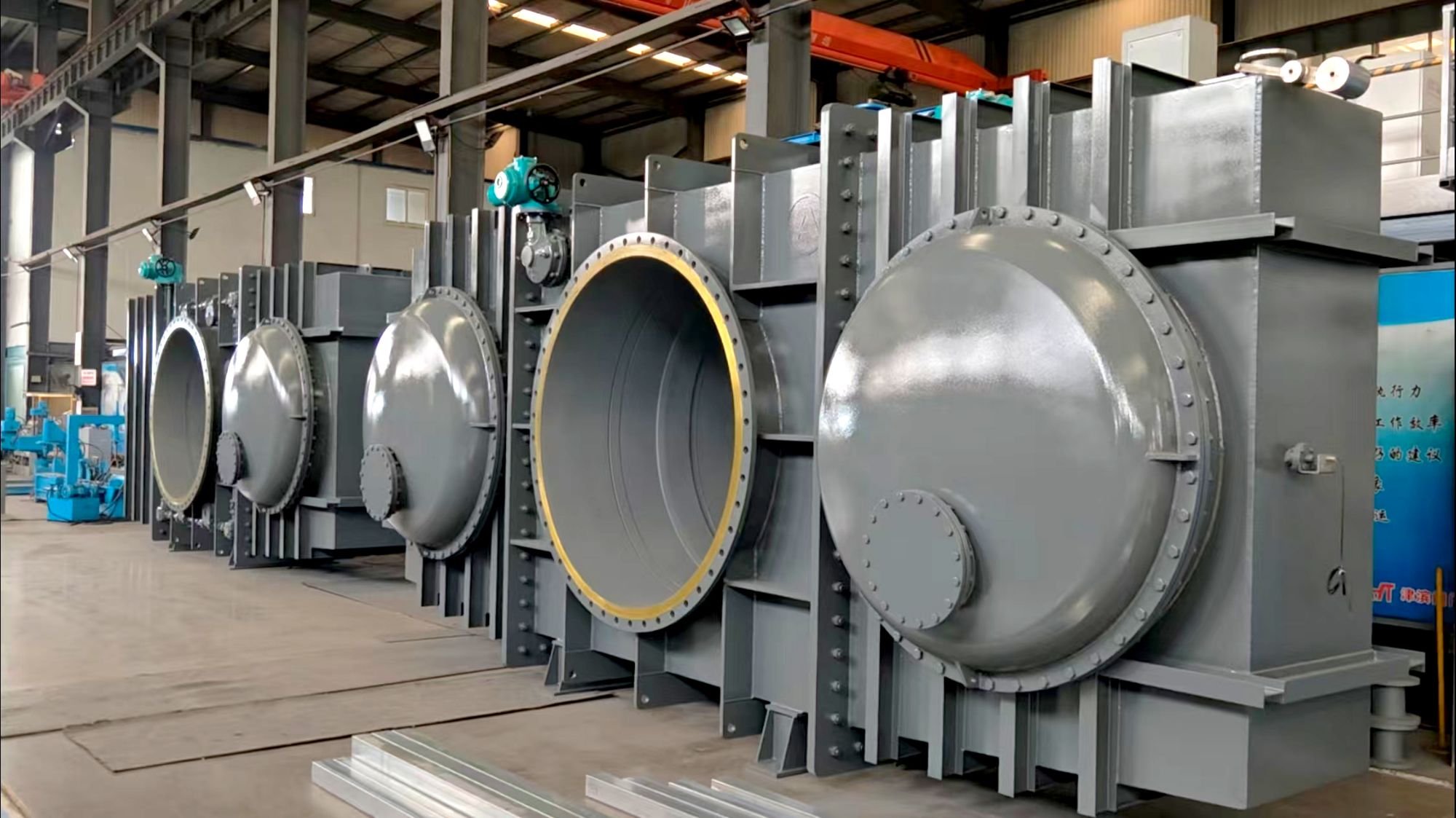
When a valve fails to seal completely, the consequences often extend beyond wasted product. Even a small, unnoticed leak can gradually erode seats and seals, turning a minor nuisance into a full-blown failure that forces an unplanned shutdown. A tight shut-off stops this cycle at the source—by preventing any fluid from bypassing the closure, it protects the internal components from accelerated wear. This means maintenance teams aren't constantly chasing leaks or replacing parts ahead of schedule, and production lines can keep running without interruption.
Beyond the immediate mechanical benefits, reliable isolation directly safeguards downstream equipment. Pumps, filters, and instrumentation all suffer when they’re repeatedly exposed to unexpected pressure or chemical attack from passing fluids. Tight shut-off valves eliminate that risk, reducing the frequency of collateral repairs that pull technicians away from preventive work. Over time, the cumulative effect is a noticeable drop in reactive maintenance calls, allowing operations to shift from firefighting to steady, predictable output.
The financial aspect never stays hidden for long. Every unscheduled stoppage eats into throughput and, just as importantly, consumes skilled labor hours that could have been used more productively. Tight shut-off valves keep processes online longer, but they also make planned maintenance safer and more efficient. When you know a valve will isolate a section completely, lockout procedures become straightforward, draining and purging go faster, and jobs finish early. That kind of dependability builds a rhythm that turns sporadic downtime into a rare disruption rather than an accepted norm.
Material Choices That Extend Service Life
The longevity of any product or structure often hinges on the raw materials selected at the very start. Picking substances that can withstand wear, corrosion, and environmental stress isn’t just about initial performance—it’s a direct investment in extended service life. For instance, opting for stainless steel over plain carbon steel in moisture-prone settings dramatically reduces rust-related failures. Similarly, ultraviolet-stabilized polymers can endure years of sun exposure without becoming brittle. These choices may add upfront cost, but they pay for themselves by delaying replacement cycles and minimizing downtime.
Advances in composites and surface treatments have opened up even more avenues for durability. Engineers now blend fibers and resins to tailor stiffness and fatigue resistance to specific applications, whether it’s lightweight aerospace parts or heavy industrial machinery. Coatings like ceramic-based barriers or self-healing primers further shield substrates from abrasion and chemical attack. By matching material properties to real-world demands, designers create assemblies that stay functional long after conventional alternatives would have failed, turning durability into a competitive edge.
Adapting to Diverse Industrial Environments
Industrial operations rarely fit a single mold. From dust-choked mines to sterile pharmaceutical labs, each setting brings its own set of demands. Equipment and processes must bend without breaking, often through modular designs or ruggedized components that shrug off extreme temperatures, moisture, or corrosive agents. This isn’t just about survival—it’s about maintaining precision when conditions actively work against you.
Workflows often need rethinking when moving between sectors. A control system that thrives in a food plant, with its washdown routines and strict hygiene rules, won’t necessarily translate to a lumber mill where vibration and debris are the norm. Successful adaptation hinges on understanding these subtle differences and configuring systems with enough flexibility to handle variation without extensive reprogramming. It’s less about one-size-fits-all and more about building a sturdy foundation that accepts custom overlays.
People make the real difference in bridging environmental gaps. Operators and technicians who grasp both the technology and the unique traits of their surroundings can tweak on the fly, often anticipating issues before they escalate. Cross-training and clear documentation help, but nothing replaces hands-on familiarity. The goal is creating a shared intuition across teams, so that when the unexpected strikes—a sudden humidity spike, a rare chemical leak—the reaction is fluid rather than frantic.
Streamlined Installation for Retrofitting Projects
Retrofitting can be a headache, especially when existing structures don't cooperate. Our approach sidesteps the usual chaos with a system designed to slip into place without heavy demolition or re-engineering. Pre-assembled modules and flexible mounting options let you work around irregularities instead of fighting them.
The process leans on quick-lock fittings and adjustable bracketry that cut down precision site work. Most components arrive ready to go—no on-site welding or complex drilling required. This means you can keep the space functional while upgrades happen, with minimal cleanup afterwards.
The real payoff is time. What used to drag on for weeks now wraps up in days, letting you get back to business without extended shutdowns. It's practical, not precious, and it doesn't demand a complete gut job to make a real difference.
Why Custom ODM Designs Outperform Standard Options
Relying on off-the-shelf components often forces you to adapt your vision to their limitations, leaving gaps in performance, fit, or brand identity. Custom ODM designs flip that dynamic, putting your exact requirements at the center from the first sketch. Instead of searching through catalogs for something that’s “close enough,” you shape the materials, dimensions, and features to match your end use precisely. This prevents compromises that can quietly erode user satisfaction or inflate long-term operational costs.
Another overlooked advantage is how deeply a custom design can simplify the entire production chain. When a product is built around your specific tolerances and assembly methods, it often reduces the need for secondary modifications, adapters, or workarounds down the line. That streamlined approach not only cuts waste but also leads to more consistent quality from batch to batch. Standard products, by contrast, frequently require on-the-fly adjustments that introduce variability and slow down scaling.
Beyond the technical payoffs, there’s a softer but equally valuable benefit: ownership of the design. With an ODM partner, the intellectual property stays with you, making it harder for competitors to replicate your solution by simply ordering the same off-the-shelf item. It also means you can quickly iterate based on field feedback without being locked into a fixed specification sheet. In fast-moving markets, that agility is often what separates a product that merely functions from one that leads.
FAQ
An ODM closed-type goggle valve is a specialized flow control device where a solid or perforated blank (the 'goggle') pivots into the flow path to either fully open or fully isolate a pipeline. Unlike open-type designs, the closed-type contains the moving parts within a sealed housing, which prevents external leakage and protects internal components from environmental contaminants. The operator rotates the goggle via an external mechanism, and the closed body ensures any pressure or residual media stay contained. This makes it especially suited for handling hazardous or high-purity fluids where even minor leaks are unacceptable.
Closed-type goggle valves inherently offer a higher safety profile by fully enclosing the spectacle plate and sealing elements. There are no exposed moving parts that could trap debris or cause injury during actuation. In the event of a seal failure, any leaked fluid remains within the body, which can be monitored or drained through dedicated ports, instead of releasing directly into the environment. This containment drastically reduces the risk of toxic exposure, fire, or contamination in sensitive industrial settings like chemical plants or refineries.
These valves are heavily adopted in oil and gas processing, petrochemical refining, power generation, and steel manufacturing. Any sector that demands absolute shut—off during pipeline maintenance or flow diversion finds value in them. For example, in coke oven gas lines or slurry transport systems, the closed-type design prevents abrasive particles or sticky residues from jamming the mechanism. Additionally, pharmaceutical and food-grade operations utilize sanitary variants with polished internals to maintain product purity without cleanup cross-contamination.
Absolutely. ODM manufacturers engineer the body, seal materials, and goggle plate to customer specifications. For high-temperature applications up to 600°C or beyond, you might see Inconel or duplex stainless steel internals with graphite-based seals. Cryogenic services use specialized O-ring materials that stay flexible at sub-zero conditions. The closed-type structure also allows for robust ribbing or jacketing for thermal expansion control, making it possible to handle everything from superheated steam to liquefied natural gas without performance degradation.
Regular external visual checks for any sign of weepage from the drain plugs is step one. Internally, the cavity should be flushed and inspected during scheduled shutdowns—paying close attention to the goggle surface for erosion or warping. Seal faces need cleaning and lubrication if per design; though many modern variants use self-lubricating polymers that are maintenance-free. It's also wise to exercise the valve periodically to prevent stiction, especially in seldom-cycled installations, and to verify the actuator gear set remains free of corrosion and well-greased.
The key difference is in its primary purpose: a goggle valve is a positive isolation device, not a throttling valve. When fully open with the perforated goggle aligned, it presents virtually zero restriction, matching the pipe’s full bore. Butterfly and ball valves, even in full-open position, have flow obstructions from the disc or ball profile, causing pressure drops. For lines where you need either 100% flow or 0% flow with a verifiable mechanical stop, the closed-type goggle valve is unbeatable for efficiency in that binary operation mode.
Yes, most ODM closed-type goggle valves can be configured with pneumatic, hydraulic, or electric actuators. With an electro-hydraulic power pack, you can achieve fail-safe closure on loss of power. Limit switches and positioners provide feedback to DCS or PLC systems via 4-20mA signals or fieldbus protocols like Profibus or Foundation Fieldbus. This allows remote monitoring and sequencing, such as in pigging launcher/receiver stations where the valve must be interlocked with other processes to prevent accidental opening under pressure.
Conclusion
The ODM closed-type goggle valve achieves positive isolation through a robust mechanical design that physically separates pipeline sections, eliminating any chance of leakage. Its dual-blade system, often operated via a reliable screw or hydraulic mechanism, ensures a bubble-tight shut-off that directly cuts downtime during maintenance or emergency shutdowns. By preventing process fluid from migrating across the valve, it safeguards downstream equipment and personnel. Materials play a critical role in this reliability: choosing alloys resistant to corrosion, erosion, and high temperatures—such as duplex stainless steel or nickel-based overlays—significantly extends service life, even when handling aggressive media like acids, slurries, or hot gases. The precise machining of seats and guides further enhances seal integrity, making the valve a cornerstone of safe and efficient flow control.
These valves readily adapt to diverse industrial environments, from chemical plants to mining operations, because their enclosed body design withstands harsh external conditions while preventing emissions. Retrofitting is streamlined thanks to compact face-to-face dimensions and flexible connection options, reducing the need for extensive piping modifications. Standard models often fall short when faced with unique pressure ratings, extreme temperatures, or special cleaning requirements. Here, custom ODM designs outclass off-the-shelf alternatives by integrating features like special purge ports, reinforced bonnets, or tailored actuation packages, all engineered to match specific process parameters. This adaptability not only simplifies installation but also optimizes long-term operational efficiency, proving that a tailored solution can outperform generic valves in both performance and total cost of ownership.
Contact Us
Contact Person: Su Zhang
Email: [email protected]
Tel/WhatsApp: +86-25219206
Website: https://www.tht-valve.com/