

ODM Aluminum Boats Redefining Custom Marine Excellence
2026-06-19
When it comes to redefining on-water experiences, few names resonate like Allheart. ODM aluminum boats are rewriting the rules of custom marine excellence, blending rugged durability with bespoke craftsmanship. But what truly sets an Allheart vessel apart? It’s the relentless pursuit of perfection—where every weld, curve, and detail is tailored to your vision. Dive in as we explore how these boats are shaping a new era of personal and professional boating.
Aluminum Boat Craftsmanship That Puts You in Charge
Every weld tells a story of precision. The process starts with marine-grade aluminum, selected for its strength-to-weight ratio and corrosion resistance. Skilled fabricators then shape each panel by hand, using time-tested techniques that machines alone can't replicate. This isn't mass production—it's a deliberate craft where hull contours are tuned for balance and responsiveness, so when you're at the helm, the boat reacts as naturally as an extension of your instincts.
The difference is in the details you feel but rarely see. Reinforced stress points, seamless chines, and precise weight distribution work together to give you a boat that tracks straight, turns sharply, and rides smoothly across choppy water. Because the structure is built to flex without fatigue, you command a vessel that absorbs shock rather than fighting it. The result is a confident, fatigue-free experience that lets you stay out longer and push further, knowing your boat is up to the task.
Customization is where this craftsmanship truly becomes personal. From deck layouts to storage compartments, every element can be tailored to how you fish, explore, or entertain. Builders work directly with you—not through catalogs—to understand your needs and translate them into aluminum. The final product isn't just a boat; it's your command center on the water, shaped by hands that respect the material and your vision equally.
Why Custom Marine Designs Always Outperform
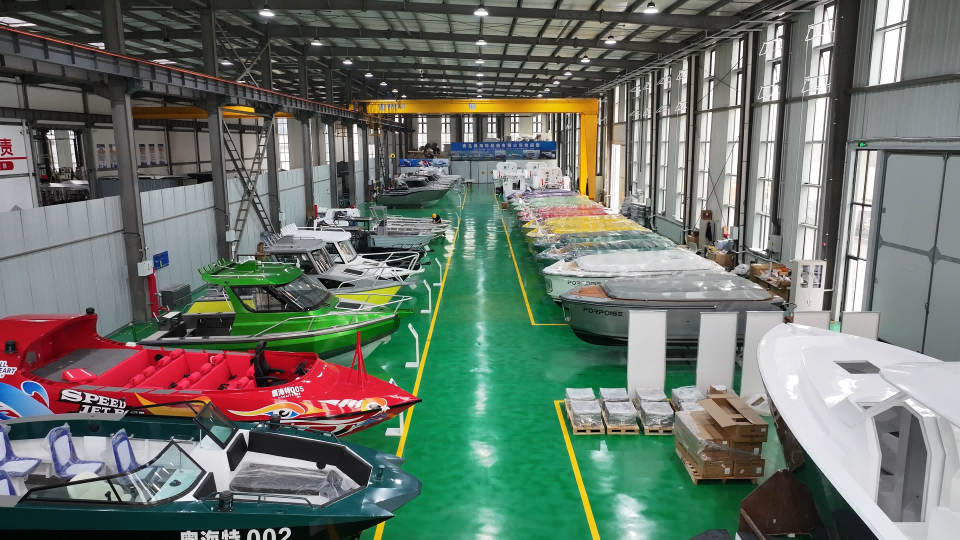
Off-the-shelf components force a boat into a shape it was never meant to take. Custom marine design starts with your hull, your cruising grounds, and the way you actually use the vessel. Every curve, every bracket, every load path gets purpose-built. The result isn't just a collection of parts—it's a system that moves through water with less drag, less noise, and a decade more reliability than any factory compromise could deliver.
When a designer sits down with your logbook instead of a catalog, the difference shows up in places you wouldn't expect. A custom strut aligned precisely to your shaft angle eliminates the vibration that's been wearing out cutless bearings every two seasons. A swim platform shaped around your tender turns a clumsy launch into a one-handed operation. These aren't upgrades—they're corrections that generic engineering never bothered to make.
The real outperformance comes from integration. A custom marine build treats the boat as a single organism, not a parts list. That means your hull stiffeners are also mounting points for the seakeeper, your exhaust runs are tuned to extract a few more horsepower, and your fuel tanks are shaped to keep the center of gravity exactly where your stability calculations want it. You can feel that cohesion every time you push the throttles forward and the boat just responds—no fuss, no fighting, just the sea agreeing with the design.
Your Boat, Your Rules: Building Without Compromise
Crafting a vessel that mirrors your personality isn't about following a blueprint—it's about tearing it up. When you strip away the noise of industry norms and 'how it's always been done,' you make room for raw, unfiltered expression. Every curve of the hull, every stitch in the upholstery, becomes a deliberate act of defiance against mass-produced sameness. This is where true ownership begins.
Compromise is the enemy of distinction. Opting for off-the-shelf fittings or convenient shortcuts might save time, but they dilute the story your boat could tell. Selecting materials that withstand not just weather but time, integrating layouts that cater to bizarrely specific hobbies, or engineering features that make salty old sailors raise an eyebrow—that's where the magic happens. The process is messy, often slower, but the result is something no catalog can offer.
There's a quiet confidence that comes from knowing every decision was yours—no committees, no trend chasing, just the stubborn pursuit of a vision. That feeling when you cast off doesn't just come from freedom on the water; it comes from having built that freedom from the keel up. Others might not get it, and that's exactly the point. Your boat doesn't just break rules—it writes its own.
The Hidden Art of Marine-Grade Aluminum
Marine-grade aluminum isn't just a material; it's a quiet rebellion against the sea's relentless appetite for destruction. The alloy's composition—typically 5000 or 6000 series—is meticulously calibrated, with magnesium and silicon dancing in precise ratios to shrug off corrosion while maintaining a strength-to-weight ratio that engineers dream about. But the real magic happens in the details nobody talks about: the way a skilled fabricator reads the grain of the metal, adjusting weld parameters not by the book, but by the subtle discoloration that appears at just the right temperature. It's this unspoken knowledge, passed from weathered hands to fresh apprentices, that keeps a hull intact through salt spray and pounding waves for decades, not just seasons.
Then there's the anodizing—a process often dismissed as a mere protective step, but in truth, it's where the artistry blooms. A thick, porous oxide layer is coaxed onto the surface through an electrochemical bath, yet the outcome hinges on variables most specs ignore: the agitation of the solution, the exact alloy temper, even the ambient humidity that morning. A master finisher can manipulate these to achieve a finish that's not just hard, but self-healing in saltwater, or tinted in hues that shift from pewter to champagne depending on the light. It's a craft where science bends to instinct, and the result is a surface that resists fouling and keeps its luster years after others have chalked and pitted.
Beyond the technical, there's an aesthetic language unique to this metal—a minimalist, almost brutalist beauty that doesn't try to hide its rivets or weld seams but celebrates them. Think of a custom yacht's superstructure, where the plate joins are deliberately staggered to create a rhythm of shadows, not just to shed stress. Or the way a deck is scuffed and burnished by years of bare feet, developing a patina that tells a story. This isn't sterile perfection; it's a living surface that records its history. The hidden art lies in designing for this evolution, in knowing that marine-grade aluminum isn't just a choice for longevity—it's a canvas for the interplay between human intent and the ocean's slow, salt-fingered sculpting.
From Sketch to Sea: No Two Journeys Alike
Every vessel begins as a whisper on paper—a rough line that holds a dream. That first sketch is never just a drawing; it’s a conversation between desire and possibility, shaped by the owner’s imagination and the designer’s instinct. No two sets of lines are identical because no two people see the horizon the same way.
From those early marks, the build takes on a life of its own. Materials are chosen not just for strength but for the story they tell; the grain of the wood, the weld of the metal—each decision echoes the personality of the one who will call this boat home. Craftsmen don’t simply assemble parts; they interpret the sketch, infusing every curve and joint with a quiet understanding that this journey belongs to someone specific.
Then comes the moment of truth: the hull meets water for the first time. What follows is never textbook. Sea trials reveal quirks and preferences—an affinity for certain swells, a responsiveness that feels almost human. A boat, like its captain, learns to dance with the waves in its own rhythm. Over time, salt and sun write a log no manual can capture, ensuring that even sister ships become strangers to one another.
Defying the Ordinary: Custom Boats That Last
Every custom boat we craft begins with a simple question: what if ordinary isn’t enough? Our team of designers and builders prioritize longevity, selecting marine-grade materials that withstand salt, sun, and decades of use.
From the hand-finished teak decking to the forged stainless hardware, each detail resists compromise. These aren’t boats you replace every few seasons—they’re companions that grow more comfortable with age.
We believe a boat should reflect its owner’s vision, not a catalog’s limitations. That’s why every hull shape, interior layout, and finish is tailored to how you actually live on the water. The result is something that feels inevitable, not assembled.
FAQ
Our designs draw from decades of hands-on boatbuilding experience and a deep respect for the water. We blend functional layouts with clean, modern lines, ensuring every boat not only performs brilliantly but also turns heads at the dock.
Customization is at the core of what we do. From hull size and layout to seating configurations, storage solutions, and even the type of welds, you have the freedom to build a boat that matches your exact fishing or cruising style. We treat each project as a unique collaboration with the owner.
Aluminum offers unmatched strength-to-weight ratio, impact resistance, and longevity. It doesn’t delaminate or blister, handles beaching and rocky shores with ease, and requires minimal maintenance. Plus, it’s fully recyclable at the end of its long life.
We’re a small team of dedicated fabricators who treat every weld and every seam as a personal signature. There are no assembly lines—just skilled hands meticulously shaping and fitting each component. That attention to detail is something you simply can’t get from a factory pumping out hundreds of hulls a month.
Each hull is engineered with a variable deadrise and reinforced stringer system tailored to the intended use. We test prototypes extensively in real-world conditions, making tweaks until the ride is soft, dry, and predictable. The feedback loop between our builders and owners helps us refine continuously.
Absolutely. We design integrated dash panels, hidden wiring chases, and dedicated compartments for electronics, trolling motors, and battery systems. Whether you want a full glass cockpit or a minimalist bay boat, we ensure the tech blends seamlessly without cluttering the clean aluminum aesthetic.
It begins with a conversation—you share your vision, and we translate it into detailed CAD drawings. Once approved, we hand-cut and form marine-grade aluminum, then weld the hull and superstructure. You’re welcome to visit and see your boat come to life. After rigging, we conduct water trials before delivery. The entire timeline is transparent and collaborative.
Conclusion
ODM Aluminum Boats takes custom marine design somewhere entirely new, placing real craftsmanship back in the hands of the owner. Every hull begins with marine-grade aluminum, a material that responds to skilled welding and shaping in ways fiberglass never can. It’s an overlooked art—balancing strength, weight, and corrosion resistance to create a vessel that feels solid without being sluggish. Instead of forcing you into a catalog of pre-set layouts, ODM starts with a blank slate and listens. Anglers who chase skinny water want an entirely different deck configuration than families cruising protected bays. By letting the owner dictate everything from storage compartments to gunwale height, the build process becomes a collaboration, not a transaction. The result is a boat that reflects your rules, not a factory’s assumptions—and that makes every launch feel truly yours.
Custom design isn’t just about picking colors; it’s about rejecting compromise from the very first sketch. ODM’s approach proves why a tailored hull consistently outperforms a mass-produced one: hull deadrise, chine width, and weight distribution are tuned to how you’ll actually use the boat, not a generic middle ground. Two identical-looking orders evolve into completely different machines because no two skippers share the same waters or ambitions. This ethos also drives longevity. Marine-grade aluminum, when cut and welded by someone who understands grain structure and stress points, shrugs off impacts and saltwater in ways that keep the boat out of the repair shop and on the water for decades. In a market flooded with sameness, ODM’s quiet confidence comes from building boats that defy the ordinary—vessels that endure and adapt, journey after journey.
Contact Us
Contact Person: Benny Hu
Email: [email protected]
Tel/WhatsApp: +8618354225697
Website: https://www.allheartmarine.com/