

Nickel Alloy Steel: Key Benefits and Applications in Modern Engineering
2026-04-09
In the ever-evolving landscape of modern engineering, materials innovation often serves as the unsung hero, driving progress and enabling astonishing feats of design and durability. Among these, nickel alloy steel stands out as a true marvel, blending the strength and versatility of steel with the remarkable properties of nickel to create alloys that excel in extreme conditions. From aerospace to energy and beyond, these materials are reshaping industries, offering key benefits like enhanced corrosion resistance, superior strength, and exceptional thermal stability. As a leader in this field, Jiangsu Baowu New Materials has been at the forefront of developing and applying nickel alloy steels, pushing the boundaries of what's possible in engineering. In this blog, we'll dive into the fascinating world of nickel alloy steel, uncovering its essential advantages and showcasing its vital applications that keep our world moving forward—and perhaps inspiring your next project with cutting-edge solutions that are both reliable and revolutionary.
Understanding Nickel Alloy Steel's Superior Corrosion Resistance
Nickel alloy steels stand out in industrial applications due to their remarkable ability to resist corrosion, a property derived from the strategic inclusion of nickel in their composition. Unlike many standard steels that succumb to rust and degradation in harsh environments, these alloys form a passive oxide layer on their surface when exposed to corrosive elements like acids, alkalis, or seawater. This protective barrier effectively shields the underlying metal, significantly extending the material's lifespan and reducing maintenance costs. In fields such as chemical processing, marine engineering, and oil and gas exploration, where exposure to aggressive substances is common, nickel alloy steels provide unparalleled durability and reliability, making them a favored choice for critical components.
The superior corrosion resistance of nickel alloy steels stems from a combination of factors beyond just the presence of nickel. For instance, when alloyed with elements like chromium and molybdenum, nickel enhances the steel's ability to withstand pitting and crevice corrosion, common issues in chloride-rich environments. This synergy creates a material that not only resists uniform corrosion but also tackles localized attacks that can lead to catastrophic failures. Moreover, nickel improves the steel's ductility and toughness, allowing it to perform well under stress in corrosive settings without cracking. This makes it ideal for applications like offshore platforms, where structural integrity is paramount amidst saltwater exposure.
In real-world scenarios, the benefits of nickel alloy steels translate into significant economic and safety advantages. For example, in power generation plants using seawater for cooling, components made from these alloys resist biofouling and corrosion better than alternatives, leading to fewer shutdowns and repairs. Their versatility also extends to cryogenic applications, where they maintain corrosion resistance at extremely low temperatures. By choosing nickel alloy steels, engineers can design systems with longer operational lives and reduced environmental impact, leveraging a material that seamlessly blends strength with resilience against the relentless forces of corrosion.
Exploring the High-Temperature Performance of Nickel Alloys in Engineering
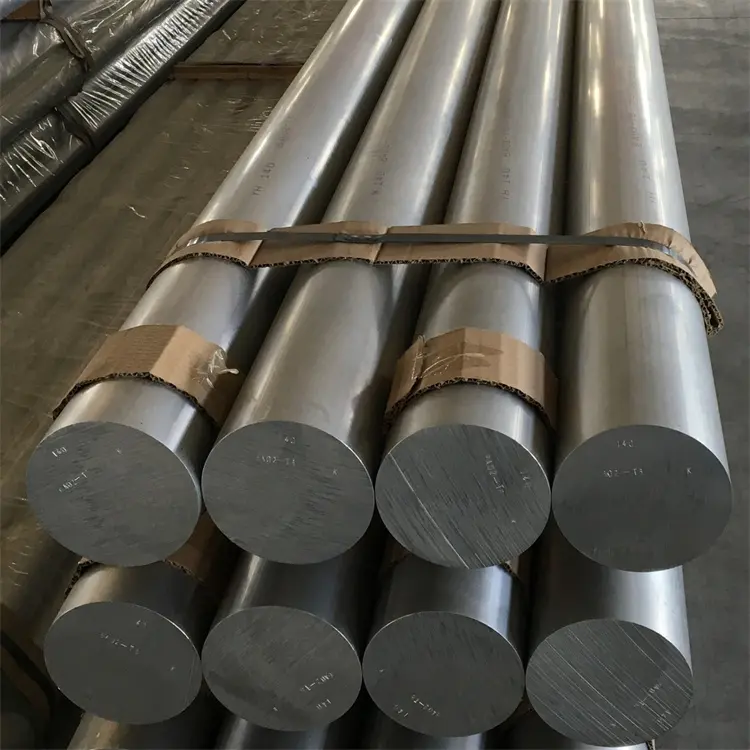
In engineering applications where temperatures soar, nickel alloys often become the material of choice due to their exceptional ability to maintain structural integrity under extreme heat. These alloys, which typically include elements like chromium, molybdenum, and iron, form protective oxide layers that resist oxidation and corrosion at elevated temperatures, making them vital for components in gas turbines, aerospace engines, and industrial furnaces. For instance, in jet engines, nickel-based superalloys can withstand temperatures above 1,000°C while retaining strength, a feature that significantly enhances efficiency and longevity in high-stress environments.
The performance of nickel alloys at high temperatures isn't just about resistance to heat; it also involves factors like creep resistance, thermal fatigue, and microstructural stability. Over time, prolonged exposure to heat can cause materials to deform slowly, known as creep, but nickel alloys are engineered with fine-grained structures and precipitation hardening to minimize this effect. In power generation plants, where turbines operate continuously, these alloys help prevent catastrophic failures by maintaining their shape and properties, even after thousands of hours of use. This reliability is crucial for safety and cost-effectiveness in demanding engineering projects.
Recent advancements have further pushed the boundaries of nickel alloys, with developments in additive manufacturing and alloy design allowing for more customized solutions. By tweaking compositions or using advanced cooling techniques, engineers can enhance high-temperature performance for specific applications, such as in next-generation nuclear reactors or space exploration vehicles. This adaptability ensures that nickel alloys remain at the forefront of innovation, offering solutions that outperform traditional materials and meet the evolving challenges of modern engineering.
How Nickel Alloy Steel Enhances Strength and Durability in Structural Applications
Nickel alloy steel significantly boosts mechanical properties in structural frameworks by promoting a refined grain structure and enabling precise heat treatment. This material's ability to form solid solutions with iron enhances yield strength and tensile resilience, making it ideal for bridges, skyscrapers, and heavy machinery where load-bearing capacity is critical. In practical terms, it resists deformation under stress better than conventional steels, reducing the risk of cracks or failures over time.
Beyond raw strength, nickel's inclusion fosters remarkable durability through enhanced corrosion and oxidation resistance. When exposed to harsh environments—like coastal areas with salt spray or industrial zones with chemical pollutants—nickel alloy steel forms a protective passive layer that slows degradation. This longevity translates to lower maintenance costs and extended service life for infrastructure, ensuring structures remain safe and functional for decades without frequent replacements.
Modern applications leverage nickel alloy steel's adaptability to extreme conditions, such as in seismic zones or arctic climates. Its low-temperature toughness prevents brittle fracture in cold settings, while its fatigue resistance handles cyclic stresses from wind or traffic. By integrating this alloy into designs, engineers achieve a balance of lightweight efficiency and robust endurance, pushing the boundaries of what's possible in sustainable and resilient construction projects.
Innovative Uses of Nickel Alloys in Aerospace and Automotive Industries
Nickel alloys have revolutionized aerospace and automotive engineering by enabling components that withstand extreme conditions. In aerospace, these materials are crucial for jet engine turbines, where they endure temperatures exceeding 1,000°C while maintaining structural integrity. Recent innovations include using nickel-based superalloys in additive manufacturing to create lightweight, complex parts like fuel nozzles, enhancing fuel efficiency and reducing emissions. Similarly, in the automotive sector, nickel alloys are found in exhaust systems and turbochargers, where they resist corrosion from high-temperature gases and improve engine performance. This adaptability makes nickel alloys indispensable in pushing the boundaries of speed and durability in both industries.
Beyond traditional applications, nickel alloys are driving advancements in electric and hybrid vehicles. For instance, nickel-metal hydride batteries have been a staple in early hybrid models, offering reliable energy storage. More recently, nickel-rich cathodes in lithium-ion batteries are being developed to increase energy density, extending the range of electric cars while reducing charging times. In aerospace, nickel alloys contribute to next-generation spacecraft, such as reusable rockets, where materials must handle rapid temperature fluctuations and mechanical stress during re-entry. These uses highlight how nickel alloys are not just maintaining but actively shaping the future of transportation technology.
Another emerging trend is the use of nickel alloys in additive manufacturing or 3D printing, allowing for custom-designed components with optimized performance. In the automotive industry, this enables the production of intricate parts like heat exchangers that improve thermal management in high-performance vehicles. In aerospace, it facilitates the creation of lightweight structures for aircraft frames, enhancing payload capacity and fuel economy. By combining durability with design flexibility, nickel alloys are opening new possibilities for innovation, making them a key player in achieving sustainability and efficiency goals across both sectors.
Nickel Alloy Steel in Marine and Offshore Engineering: Tackling Harsh Environments
Nickel alloy steel is a critical material in marine and offshore engineering, valued for its enhanced strength, corrosion resistance, and toughness under demanding conditions. These alloys, which incorporate nickel as a key component, perform exceptionally well in seawater environments where factors like high salinity, fluctuating temperatures, and pressures can degrade lesser metals. For instance, in offshore oil rigs and subsea pipelines, nickel alloy steel helps prevent stress corrosion cracking and pitting, ensuring infrastructure longevity and reducing maintenance needs. This makes it a go-to choice for engineers designing equipment that must withstand years of exposure to harsh marine elements without failure.
Beyond just resisting corrosion, nickel alloy steel offers superior mechanical properties that are vital for structural integrity in harsh environments. In applications like shipbuilding, offshore wind turbines, and deep-sea exploration vessels, these alloys maintain high tensile strength and fatigue resistance even at low temperatures, which is crucial for Arctic operations. Their ability to withstand heavy loads and dynamic stresses, such as waves and currents, means they can support large-scale marine structures safely. Additionally, the material's weldability and formability allow for complex designs, enabling innovation in engineering projects that push the boundaries of what's possible in challenging offshore settings.
The versatility of nickel alloy steel extends to specialized marine applications where unique challenges arise. For example, in desalination plants or chemical carriers, these alloys guard against corrosion from aggressive chemicals and biofouling, preserving equipment efficiency. They also play a role in enhancing safety by reducing the risk of catastrophic failures in critical components like valves and pumps. By leveraging nickel alloy steel, the marine and offshore industry not only tackles harsh environments but also drives advancements in sustainability and cost-effectiveness, as durable materials minimize environmental impact and operational downtime over time.
Sustainable Benefits of Nickel Alloy Steel in Renewable Energy Systems
Nickel alloy steel plays a pivotal role in advancing the sustainability of renewable energy systems by enhancing durability and efficiency. In wind turbines, for instance, these alloys are used in critical components like gears and bearings, which endure extreme stresses and corrosive environments. By resisting wear and oxidation, nickel alloy steel extends the lifespan of these parts, reducing the need for frequent replacements and lowering the overall environmental footprint of wind energy production. This durability translates to fewer material resources consumed over time, supporting long-term ecological balance.
Beyond wind power, nickel alloy steel contributes to solar energy systems through its application in heat exchangers and structural supports. In concentrated solar power plants, where high temperatures are a constant challenge, these materials maintain integrity and thermal efficiency, enabling more effective energy capture. This reliability minimizes energy losses and operational downtime, which in turn boosts the economic viability of solar projects while aligning with green initiatives. By optimizing performance in harsh conditions, nickel alloys help make renewable technologies more competitive against fossil fuels.
Additionally, the recyclability of nickel alloy steel underscores its sustainable benefits. At the end of a renewable energy system's life cycle, these materials can be recovered and reprocessed with minimal loss of quality, creating a circular economy that reduces waste. This feature not only conserves natural resources but also cuts down on greenhouse gas emissions associated with manufacturing new steel. As the demand for clean energy grows, the strategic use of nickel alloy steel fosters a more resilient and eco-friendly infrastructure, paving the way for a greener future without compromising on technological advancement.
FAQ
Nickel alloy steel excels in high-temperature settings due to its superior heat resistance, which prevents deformation and maintains structural integrity under extreme conditions, making it ideal for applications like turbine blades and exhaust systems in aerospace and power generation.
In marine engineering, nickel alloy steel provides exceptional corrosion resistance by forming a protective oxide layer that withstands saltwater and harsh chemicals, reducing maintenance costs and extending the lifespan of components such as ship hulls and offshore platforms.
Nickel alloy steel finds a unique application in the medical field for surgical instruments and implants, where its biocompatibility and strength allow for precise, durable tools and long-lasting devices that resist body fluids and minimize infection risks, enhancing patient outcomes.
In automotive manufacturing, nickel alloy steel offers cost-benefit advantages by combining lightweight properties with high strength, improving fuel efficiency and safety while reducing wear and tear, leading to lower long-term operational expenses and enhanced vehicle performance.
Nickel alloy steel enhances durability in industrial machinery by providing excellent fatigue resistance and toughness, allowing components like gears and bearings to withstand heavy loads and repetitive stress without failure, thereby increasing machine reliability and reducing downtime.
Nickel alloy steel plays a key role in sustainable engineering by being recyclable and long-lasting, which reduces waste and energy consumption over its lifecycle. Its use in renewable energy systems, such as wind turbines, supports eco-friendly initiatives by ensuring efficiency and durability in green technologies.
Conclusion
Nickel alloy steel stands out in modern engineering due to its exceptional corrosion resistance and high-temperature performance, which are critical in demanding environments. In marine and offshore settings, these alloys effectively tackle harsh conditions by resisting saltwater corrosion, while in high-heat applications, they maintain structural integrity under extreme thermal stress. This dual capability ensures longevity and reliability in fields like aerospace and automotive industries, where innovative uses leverage these properties for lightweight yet durable components. By enhancing strength and durability, nickel alloys support advanced designs that withstand operational pressures, making them indispensable for safety and efficiency in structural applications.
Furthermore, the sustainable benefits of nickel alloy steel are increasingly recognized in renewable energy systems, such as wind turbines and solar power installations, where they contribute to eco-friendly performance. Their versatility extends to modern engineering challenges, combining enhanced mechanical properties with environmental advantages. This integration of durability, resilience, and sustainability positions nickel alloy steel as a key material driving innovation across diverse sectors, from harsh industrial settings to cutting-edge renewable technologies.
Contact Us
Contact Person: Zoe Liang
Email: [email protected]
Tel/WhatsApp: 86 189 2128 6299
Website: https://www.baowuchina.com