

Mastering Precision: Best Press Brake Manufacturing Techniques for Superior Metal Fabrication
2026-01-15
In the competitive world of metal fabrication, achieving flawless precision is not just a goal—it's a necessity. Mastering the art of press brake manufacturing can transform your projects from good to exceptional, unlocking new levels of efficiency and quality. Here at JIAN MENG, we've honed innovative techniques that push the boundaries of what's possible with metal forming. In this blog, we'll dive into the best practices and cutting-edge methods that set us apart in this demanding industry. Whether you're a seasoned professional or new to fabrication, get ready to discover insights that will elevate your work and inspire curiosity about what lies ahead.
Optimizing Material Selection for Enhanced Bend Accuracy
When aiming to improve bend accuracy in manufacturing processes, the choice of materials plays a crucial role. Different materials respond uniquely to bending forces, with factors like elasticity, ductility, and yield strength directly influencing how precisely a part can be formed. For instance, selecting a metal with consistent mechanical properties reduces the risk of springback or cracking, leading to more predictable outcomes and tighter tolerances. By carefully evaluating material characteristics upfront, manufacturers can minimize waste and rework, ultimately boosting both quality and efficiency in production lines.
Beyond basic mechanical properties, considering advanced material options can further refine bend accuracy. Innovative alloys or composites offer tailored behaviors, such as enhanced strain hardening or reduced anisotropy, which allow for more controlled deformation during bending. This opens up possibilities for complex geometries and high-precision applications, like in aerospace or medical devices, where even minor discrepancies can have significant impacts. Integrating material selection with process parameters, such as tooling design and bending speed, creates a holistic approach that pushes the boundaries of what's achievable in precision engineering.
In practice, optimizing material selection involves a blend of empirical testing and data-driven analysis. Utilizing simulations and real-world trials helps identify the best materials for specific bending environments, accounting for variables like temperature and stress distribution. This proactive strategy not only enhances accuracy but also fosters innovation, enabling the development of lightweight or durable components without compromising on performance. By focusing on material science, companies can stay ahead in competitive markets, delivering products that meet exacting standards while reducing overall costs.
Advanced Die and Punch Configurations for Complex Forming
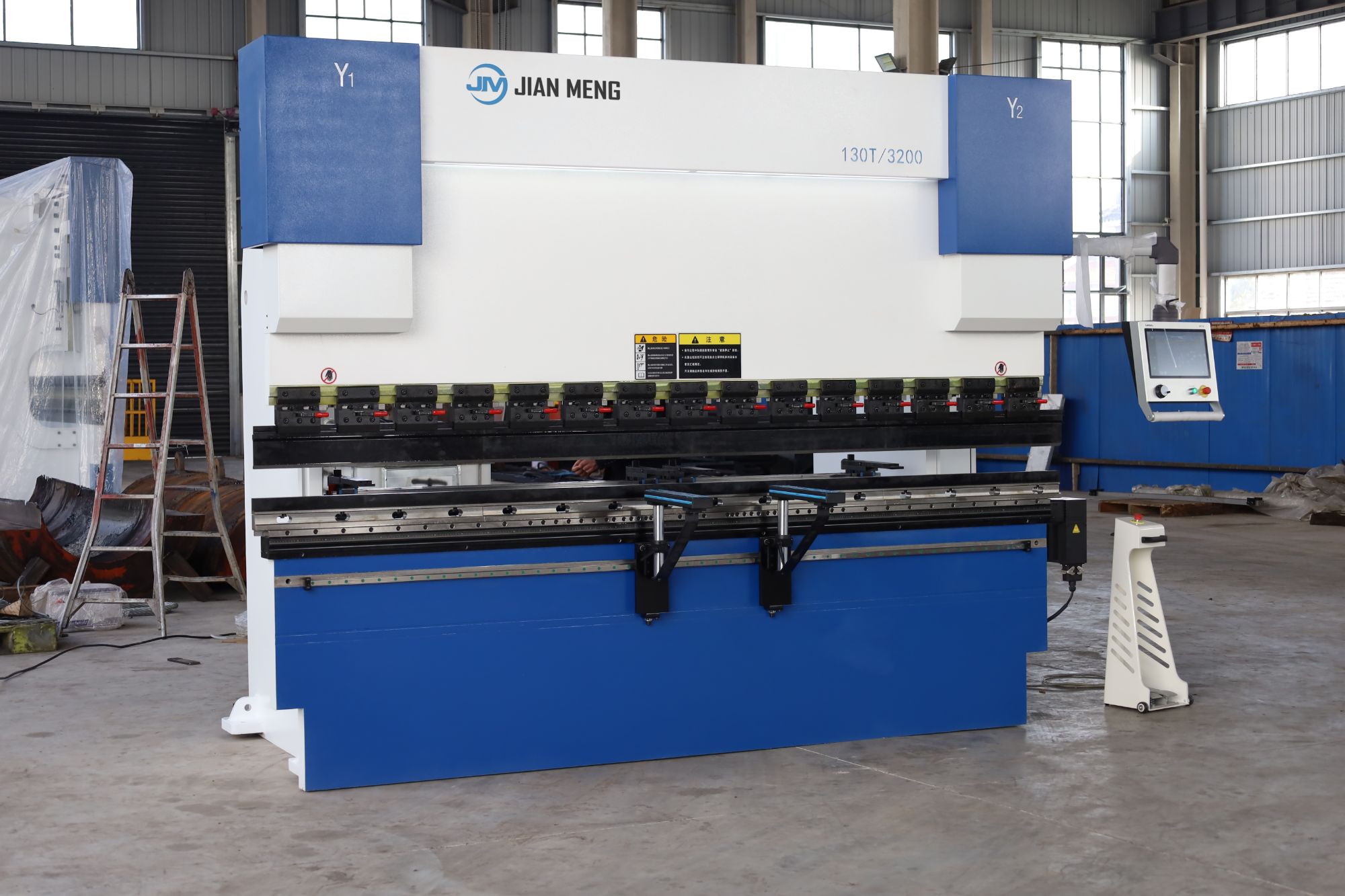
In the realm of metal stamping and forming, the push toward more intricate component designs has necessitated the development of advanced die and punch configurations. These setups employ modular tooling and multi-action systems to tackle complex geometries like deep draws, undercuts, and multi-directional bends that standard tools can't handle efficiently. By integrating precision-ground inserts and specialized coatings, manufacturers achieve tighter tolerances and reduce material waste, ensuring each press stroke contributes to a flawless final shape.
A key innovation in this area is the use of progressive dies with complex forming stations, where multiple punches and dies work in tandem to perform several operations in a single pass. This not only speeds up production but also minimizes handling errors, as the material moves through the die in a controlled sequence. Engineers often incorporate cam-driven mechanisms and servo-driven punches to enable off-axis movements, allowing for the creation of features like side holes or intricate embossments that would otherwise require secondary processes.
Beyond traditional metals, these advanced configurations are proving vital for forming challenging materials such as high-strength alloys and composites. Custom-designed punches with variable radii and adaptive clearance settings help manage springback and stress distribution, resulting in parts that meet strict aerospace or automotive standards without compromising on durability. This tailored approach transforms complex forming from a bottleneck into a competitive advantage, driving innovation across industries.
Leveraging CNC Controls to Minimize Setup Time and Errors
Modern CNC controls have transformed machining setups by integrating intuitive interfaces that simplify programming tasks, allowing operators to quickly input parameters and visualize toolpaths before execution. This reduces manual errors and slashes setup time significantly, as adjustments can be made on-the-fly with minimal downtime.
By incorporating advanced features like automated tool calibration and real-time monitoring, CNC systems detect inconsistencies early, preventing costly mistakes. This proactive approach not only enhances precision but also builds confidence among operators, fostering a more efficient workflow from start to finish.
Ultimately, leveraging these controls leads to tighter tolerances and repeatable results, turning complex setups into streamlined processes that boost overall productivity in machine shops.
Implementing Vibration Damping Techniques for Smoother Operations
When machinery operates, vibrations can lead to inefficiencies and early wear, but implementing effective damping techniques transforms this dynamic. By integrating materials like rubber mounts or viscoelastic polymers, systems absorb and dissipate energy that would otherwise cause shakes. This not only prolongs equipment life but also enhances precision in tasks from manufacturing to vehicle handling, creating a noticeable smoothness in daily operations that users often describe as a seamless experience.
In practice, damping isn't a one-size-fits-all fix; it requires a tailored approach based on vibration frequencies and environmental factors. For instance, in aerospace applications, tuned mass dampers are strategically placed to counteract specific oscillations, while in consumer electronics, silicone gaskets might be used to mute minor tremors. This customization ensures that operations remain fluid under varying conditions, reducing noise and improving overall performance without the bulkiness of traditional solutions.
Beyond technical specs, the real-world impact of these techniques lies in their subtlety—when well-implemented, damping becomes invisible, allowing users to focus on their work rather than equipment quirks. By blending advanced materials with smart design, industries achieve smoother operations that boost productivity and user satisfaction, making it a key element in modern engineering that often goes unnoticed until it's missing.
Integrating Laser Measurement Systems for Real-Time Corrections
In industrial and scientific applications, laser measurement systems are revolutionizing precision control by enabling real-time corrections that enhance accuracy and efficiency. These systems utilize high-frequency laser beams to capture minute positional or dimensional data, which is then processed instantaneously to adjust machinery or processes on the fly. For example, in manufacturing assembly lines, integrating such systems allows for continuous monitoring of components, automatically compensating for deviations that might otherwise lead to defects or downtime. This integration not only boosts productivity but also reduces waste, making operations more sustainable and cost-effective in dynamic environments.
The practical implementation of laser measurement systems involves sophisticated software algorithms that analyze incoming data streams to detect anomalies and trigger corrective actions without human intervention. By coupling these systems with robotic arms or CNC machines, industries achieve unprecedented levels of automation where adjustments occur seamlessly based on live feedback. In fields like aerospace engineering or medical device fabrication, this capability ensures adherence to stringent tolerances, as lasers measure parameters such as alignment or surface finish in milliseconds, providing a safety net against errors that could compromise quality or safety standards.
Beyond traditional settings, integrating laser measurement for real-time corrections opens doors to innovative uses in smart infrastructure and environmental monitoring. For instance, in construction projects, lasers can track structural movements or material placements, instantly guiding equipment to maintain specifications under variable conditions like weather changes. This adaptability not only accelerates project timelines but also enhances reliability, as systems learn from ongoing data to predict and prevent potential issues before they escalate. As technology advances, such integrations are expected to become more accessible, driving broader adoption across sectors seeking agile and precise control solutions.
Adopting Predictive Maintenance to Extend Machine Lifespan
Machines often fail at the worst possible times, leading to costly disruptions and replacements, but there's a smarter way forward. By embracing predictive maintenance, you can shift from reactive fixes to proactive care, using data-driven insights to anticipate issues before they escalate. This approach not only prevents unexpected breakdowns but also fine-tunes operational routines, ensuring each component runs optimally and lasts longer. It's about listening to your equipment through sensors and analytics, transforming maintenance from a chore into a strategic asset that keeps everything humming smoothly and efficiently.
Imagine if your machines could whisper their needs before they scream in failure; that's the power of trend analysis in predictive maintenance. By monitoring factors like vibration, temperature, and wear patterns, you can identify subtle changes that signal potential problems. This enables timely interventions, such as adjusting lubrication or replacing parts at just the right moment, significantly reducing wear and tear. Over time, this gentle, attentive care adds up, extending the lifespan of machinery far beyond typical expectations, while also trimming down waste and resource use in the process.
In practice, adopting predictive maintenance isn't just about tech—it's a cultural shift that encourages continuous improvement and deeper engagement with your assets. Teams become more attuned to machine health, using real-time feedback to make informed decisions that prevent minor issues from snowballing into major overhauls. This proactive mindset fosters a more resilient operation where equipment longevity becomes a shared goal, ultimately saving money, boosting reliability, and keeping production lines agile and competitive in fast-paced environments.
FAQ
Focus on accurate tooling alignment, consistent material properties, and proper machine calibration to achieve high precision in metal bending.
Integration of CNC controls, automated tool changers, and real-time monitoring systems enhances accuracy, speeds up production, and reduces human error.
Techniques like overbending, using the correct die angle, and applying adequate tonnage based on material thickness can effectively control springback.
Regular maintenance ensures sharp edges, prevents wear and tear, and maintains dimensional accuracy, leading to consistent and high-quality bends.
Choosing materials with uniform thickness and predictable mechanical properties reduces variability, making bends more precise and repeatable.
Skilled operators can fine-tune settings, interpret feedback from the machine, and troubleshoot issues, directly affecting the quality and precision of the final product.
Conclusion
Mastering precision in press brake manufacturing requires a multifaceted approach that begins with optimizing material selection for enhanced bend accuracy. This foundational step ensures the metal's properties align with the desired outcomes, forming the basis for superior fabrication. Complementing this, advanced die and punch configurations are essential for handling complex forming tasks, allowing manufacturers to achieve intricate shapes with consistency. By leveraging CNC controls, operations become more efficient as setup times are minimized and errors are reduced, streamlining the entire process. Together, these elements create a robust framework for precision, setting the stage for high-quality metal fabrication.
Beyond initial setup, ongoing improvements play a crucial role in maintaining excellence. Implementing vibration damping techniques contributes to smoother operations, reducing machine wear and enhancing output quality. Integrating laser measurement systems provides real-time corrections, allowing for immediate adjustments that boost accuracy during production. Additionally, adopting predictive maintenance strategies helps extend machine lifespan, preventing unexpected downtime and ensuring long-term reliability. By embracing these advanced techniques, manufacturers can achieve a holistic mastery of precision, resulting in superior metal fabrication that stands out in the industry through enhanced durability, efficiency, and performance.
Contact Us
Contact Person: Jeanie
Email: [email protected]
Tel/WhatsApp: +86 19805122954
Website: https://www.jianmeng.com