

Heavy Duty Caster Wheels Manufacturer: A Guide to Bulk Solutions for Industrial Applications
2026-01-30
In the demanding world of industrial operations, every component plays a critical role in seamless efficiency—especially when it comes to mobility. Caster wheels, often overlooked, are the unsung heroes that keep heavy loads moving smoothly across harsh environments. Finding a reliable manufacturer for bulk solutions can be challenging, yet it's essential for minimizing downtime and maximizing productivity. This guide delves into the intricacies of heavy-duty caster wheels, offering insights tailored for industrial applications. Whether you're sourcing for a large-scale facility or upgrading existing equipment, understanding key factors like load capacity, material durability, and customization options is vital. We'll explore how partnering with trusted experts, like CMCL, ensures you get robust, high-performance wheels designed to withstand extreme conditions. Discover practical tips for selecting the right casters and learn why investing in quality bulk solutions from CMCL can transform your operational workflow, driving both safety and cost-effectiveness forward. Ready to enhance your industrial mobility? Let's dive in.
Understanding Heavy Duty Caster Wheels for Industrial Needs
When you're dealing with tough industrial environments, standard caster wheels just won't cut it—they're often the first component to fail under heavy loads or harsh conditions. Heavy-duty caster wheels are specifically engineered to handle these challenges, offering superior durability for applications like manufacturing plants, warehouses, and construction sites. Think of them as the workhorses of mobility, designed to support weights well above typical limits while resisting wear from debris, chemicals, or extreme temperatures.
What sets heavy-duty casters apart isn't just brute strength; it's their smart design. Many feature reinforced cores, precision bearings, and advanced materials like polyurethane or forged steel, which distribute weight evenly and reduce friction. This means smoother movement for equipment, less strain on operators, and a longer lifespan that cuts down on replacement costs. It's not about picking the heaviest option—it's about matching the wheel to the specific demands of your workflow.
Beyond basic specs, consider how these wheels impact overall productivity. A well-chosen heavy-duty caster can enhance safety by preventing tipping or sudden failures, and it might even improve energy efficiency by rolling more smoothly under load. In fast-paced industries, that reliability translates to fewer disruptions and a better bottom line. So, take a closer look at your needs—whether it's for a forklift, a heavy cart, or machinery—and invest in wheels that truly stand up to the job.
Key Features to Look for in Industrial Caster Wheels
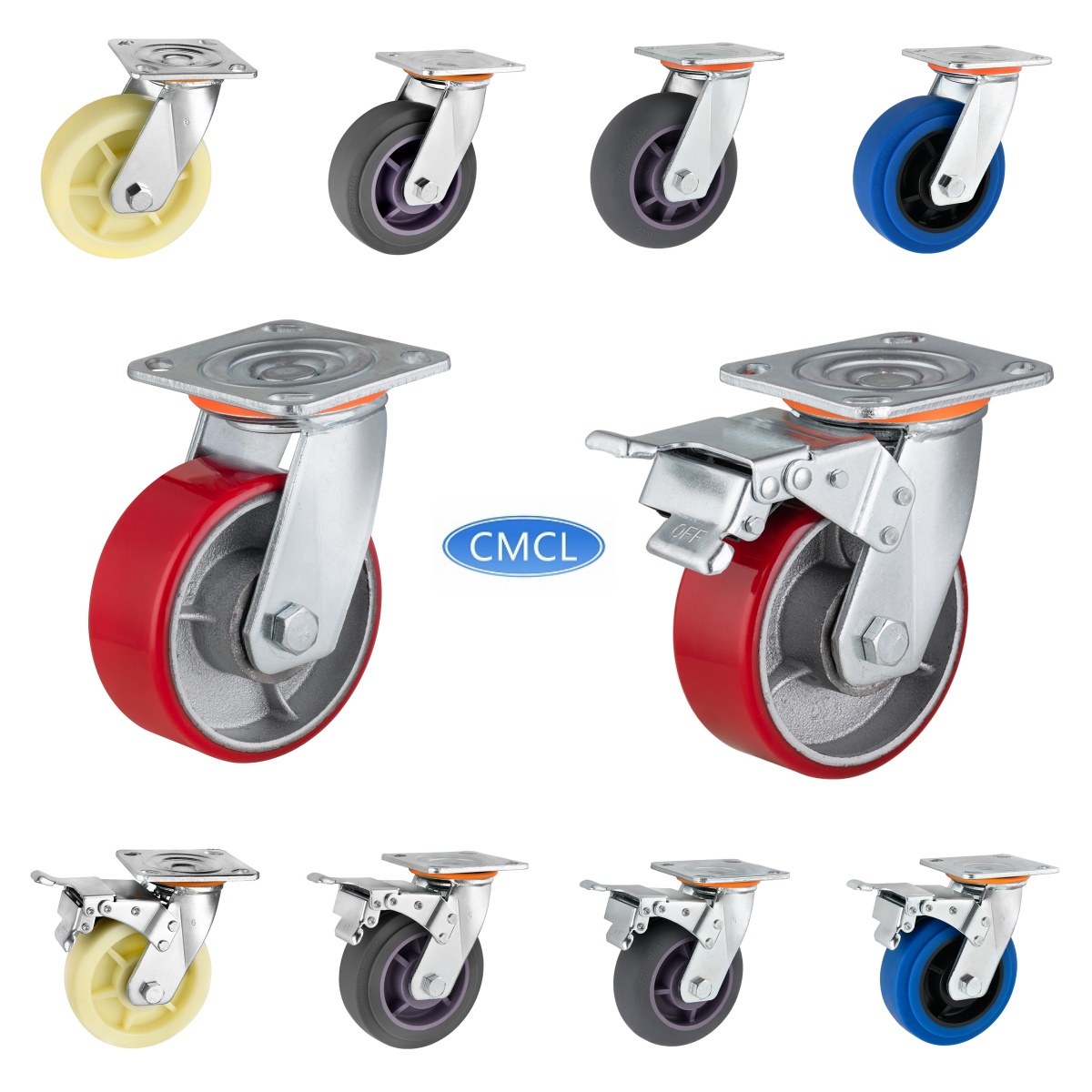
When selecting industrial caster wheels, prioritize load capacity and material durability. Look for wheels rated for your specific weight requirements, including dynamic and static loads, to prevent premature failure. Materials like polyurethane, rubber, or metal alloys influence performance; for example, polyurethane offers shock absorption and floor protection, while hardened steel excels in heavy-duty environments. Don't overlook the bearing type—precision bearings enhance smooth rolling and reduce maintenance over time.
Consider the wheel tread and size for optimal maneuverability in your workspace. A larger diameter or wider tread can improve stability and ease of movement over obstacles like cracks or debris. For specialized applications, features such as heat resistance, chemical compatibility, or static conductivity might be crucial. Always test wheels under real conditions if possible, as practical performance often differs from theoretical specs.
Finally, evaluate the caster's swivel and locking mechanisms. A smooth swivel ensures effortless direction changes, reducing operator strain. Look for locks that securely hold position without slippage, especially in high-traffic areas. Balance these features with cost and longevity; sometimes, investing in higher-quality wheels upfront saves on replacement and downtime later.
How Bulk Solutions Enhance Efficiency and Cost Savings
Implementing bulk solutions streamlines workflows by consolidating multiple tasks into unified processes. This approach reduces time spent on repetitive actions, allowing teams to focus on strategic initiatives. For example, batching orders or data entries minimizes manual handling, cuts down errors, and accelerates project timelines. By optimizing resource allocation, organizations achieve higher productivity without expanding their workforce.
Beyond boosting operational speed, bulk strategies drive significant cost reductions. Purchasing materials or services in larger volumes often secures discounts and lowers per-unit expenses. Moreover, these solutions decrease administrative overhead by simplifying procurement and management tasks. Companies can reinvest these savings into innovation, enhancing their competitive edge while maintaining budget efficiency.
Adopting bulk solutions fosters sustainable growth by aligning efficiency with long-term financial goals. It encourages proactive planning, such as forecasting demand to avoid shortages or surpluses. This holistic view helps businesses adapt to market fluctuations, ensuring consistent performance and resilience. Ultimately, integrating bulk methods turns everyday operations into opportunities for continuous improvement and value creation.
Selecting the Right Manufacturer for Your Heavy Duty Applications
Choosing a manufacturer for heavy duty applications isn't just about picking a name off a list; it's about finding a partner that understands the relentless demands of your industry. You need someone who can deliver equipment that stands up to extreme conditions—whether it's in mining, construction, or industrial processing—without constant downtime. A reliable manufacturer should have a proven track record of durability, using high-quality materials and rigorous testing to ensure their products can handle the stress of daily operations over years of use. Don't settle for generic solutions; seek out companies that offer customization and innovation tailored to your specific challenges, helping you stay ahead in a competitive market.
It's crucial to dig beyond surface-level specs and evaluate a manufacturer's ability to support your projects from start to finish. Look for firms that provide comprehensive services like on-site consultations, detailed engineering support, and responsive maintenance teams. In heavy duty sectors, unexpected failures can lead to costly delays, so a manufacturer with a robust after-sales network and readily available spare parts can be a game-changer, minimizing risks and keeping your operations running smoothly under pressure.
Ultimately, the best choice aligns with your long-term goals, offering not just products but a commitment to quality and reliability that grows with your business. By focusing on manufacturers with strong reputations and transparent communication, you can build a partnership that enhances efficiency and drives success in your heavy duty applications.
Common Industrial Environments That Benefit from These Wheels
These wheels excel in manufacturing plants where heavy loads and frequent movement are daily routines. On assembly lines, they facilitate seamless transitions between stations, while in warehouses and distribution centers, their durability withstands constant use on concrete floors, reducing wear and tear. Their smooth rolling action enhances efficiency in logistics operations, making material handling faster and less labor-intensive.
In the rugged settings of construction sites and outdoor yards, these wheels prove invaluable for navigating uneven terrain and debris. From transporting tools and materials across muddy grounds to supporting equipment in harsh weather conditions, their robust design minimizes downtime and maintenance needs, enabling teams to focus on productivity rather than equipment failures.
Specialized industries like food processing and pharmaceutical manufacturing also benefit significantly, thanks to wheels that meet strict hygiene standards without compromising performance. They support easy cleaning and resist corrosion in wet or chemical-laden environments, ensuring compliance with safety regulations while maintaining operational flow in sensitive production areas.
Tips for Maintenance and Long-Term Performance of Caster Wheels
Maintaining caster wheels regularly can significantly boost their durability and smooth operation. Start by inspecting for debris like dirt or hair that might clog the wheels, and clean them with a damp cloth to prevent buildup. Lubricating the bearings every few months with a light oil helps reduce friction, ensuring they roll effortlessly and minimizing wear over time. Don't forget to check for loose bolts or nuts, tightening them as needed to keep the entire assembly stable and avoid wobbling during use.
Choosing the right environment for your caster wheels is crucial for long-term performance. If they're used outdoors or in wet areas, opt for rust-resistant materials like polyurethane or rubber, which handle moisture better than metal. In high-traffic settings, consider upgrading to heavy-duty casters designed for frequent movement, as this can prevent premature breakdowns. Rotating the casters occasionally distributes wear more evenly, extending their lifespan without needing frequent replacements.
Proactive care goes a long way in avoiding sudden failures. Listen for unusual noises like squeaking or grinding, which might signal internal issues that require immediate attention. Keep replacement parts on hand, such as extra wheels or bearings, so you can quickly swap them out if damage occurs. By integrating these simple habits into your routine, you'll ensure your caster wheels stay reliable and functional for years, saving time and money in the long run.
FAQ
Heavy-duty caster wheels are designed to handle substantial loads, often over 500 pounds per wheel, and feature robust materials like polyurethane or forged steel for durability in rough environments like warehouses or factories.
Bulk buying reduces per-unit costs, ensures consistent supply for production lines, and allows for custom specifications like load ratings or wheel diameters tailored to specific machinery or equipment.
Look for manufacturers with certifications (e.g., ISO standards), a proven track record in industrial sectors, and the ability to provide samples or prototypes to test durability under your specific conditions.
Yes, many manufacturers offer customization options such as wheel material (e.g., non-marking rubber for clean rooms), specialized bearings for high-speed use, or specific mounting plates to fit existing equipment.
Regularly inspect for debris buildup, lubricate bearings as recommended by the manufacturer, and replace wheels showing signs of excessive wear or cracking to prevent downtime and safety hazards.
Some manufacturers provide wheels made from recycled materials or offer take-back programs for end-of-life casters, aligning with sustainability goals without compromising on durability.
Conclusion
Heavy duty caster wheels are essential components in industrial settings where robust mobility and durability are paramount. These wheels, designed to handle substantial loads and harsh conditions, come with various features such as high load capacities, superior bearing systems, and materials like polyurethane or forged steel that resist wear and corrosion. Manufacturers specializing in bulk solutions offer significant advantages, including cost efficiency through economies of scale and streamlined logistics that reduce downtime. By providing customized options—like specific wheel diameters, tread types, and swivel capabilities—these suppliers ensure that businesses can enhance operational efficiency while maintaining safety standards in diverse environments like warehouses, manufacturing plants, and logistics centers.
Selecting the right manufacturer is critical for long-term performance, requiring evaluation of their experience, production quality, and ability to offer tailored bulk orders. Regular maintenance, including lubrication and inspection for damage, extends the lifespan of caster wheels, preventing costly replacements and ensuring smooth operations. This guide highlights how investing in quality heavy duty caster wheels from a reliable manufacturer can lead to substantial savings and improved productivity, making it a strategic choice for industries seeking reliable mobility solutions under demanding conditions.
Contact Us
Contact Person: Ruby
Email: [email protected]
Tel/WhatsApp: +86 13360379367
Website: https://www.cmcl-casters.com