

Custom Concrete Batching Plant Sludge Chamber Filter Press: Efficient Sludge Dewatering Solutions
2026-08-01
Managing sludge in a concrete batching plant is a constant challenge—waste buildup, water waste, and compliance headaches can slow down your operations. Enter the custom Sinou sludge chamber filter press, a game-changer for efficient dewatering that reclaims water and cuts disposal costs. This isn’t just another filter; it’s a tailored solution designed to handle the unique loads of your plant, ensuring cleaner recycling and smoother workflows. Ready to turn sludge from a problem into a resource?
Why Standard Filter Presses Fall Short for Concrete Sludge
Concrete slurry isn't like the predictable industrial wastes most filter presses are built for. It carries a gritty, abrasive paste that chews through standard filter cloths in a fraction of the expected lifespan. The high calcium and silica content acts like a slow abrasive, rounding off the sharp edges of plates and wearing grooves into the hydraulic seals. Once those seals lose integrity, the press starts bypassing solids, and you end up with a cake that's more mud than brick, or worse, a leaking mess that fails environmental compliance checks before the cycle even finishes.
Then there's the settling problem. Standard presses assume the solids will stay suspended long enough to distribute evenly across the chambers, but concrete sludge separates fast—heavy aggregates drop to the bottom while the cement fines linger at the top. This stratification clogs inlet ports and leaves some chambers packed dense like stone while others barely form a cake. The resulting pressure imbalance bends plates and snaps feed pipes, turning what should be a routine dewatering job into a costly rebuild. Most standard designs lack the pre-agitation or chamber fill logic to handle that kind of rapid density shift.
Cake release becomes a fight every cycle. Standard cloths grab onto that sticky, cementitious residue, and mechanical plate shifters often rip the fabric or leave half the cake behind. Operators burn hours scraping plates by hand, and the downstream conveyor systems get gummed up with clumps of half-dried sludge that harden like concrete—which they essentially are. A press not purpose-built for this material quickly turns maintenance into a full-time headache, with cloth changeouts stealing production time and inconsistent cake dryness driving up disposal costs.
Inside a Chamber Filter Press: Tailored Plates and Cloth Selection
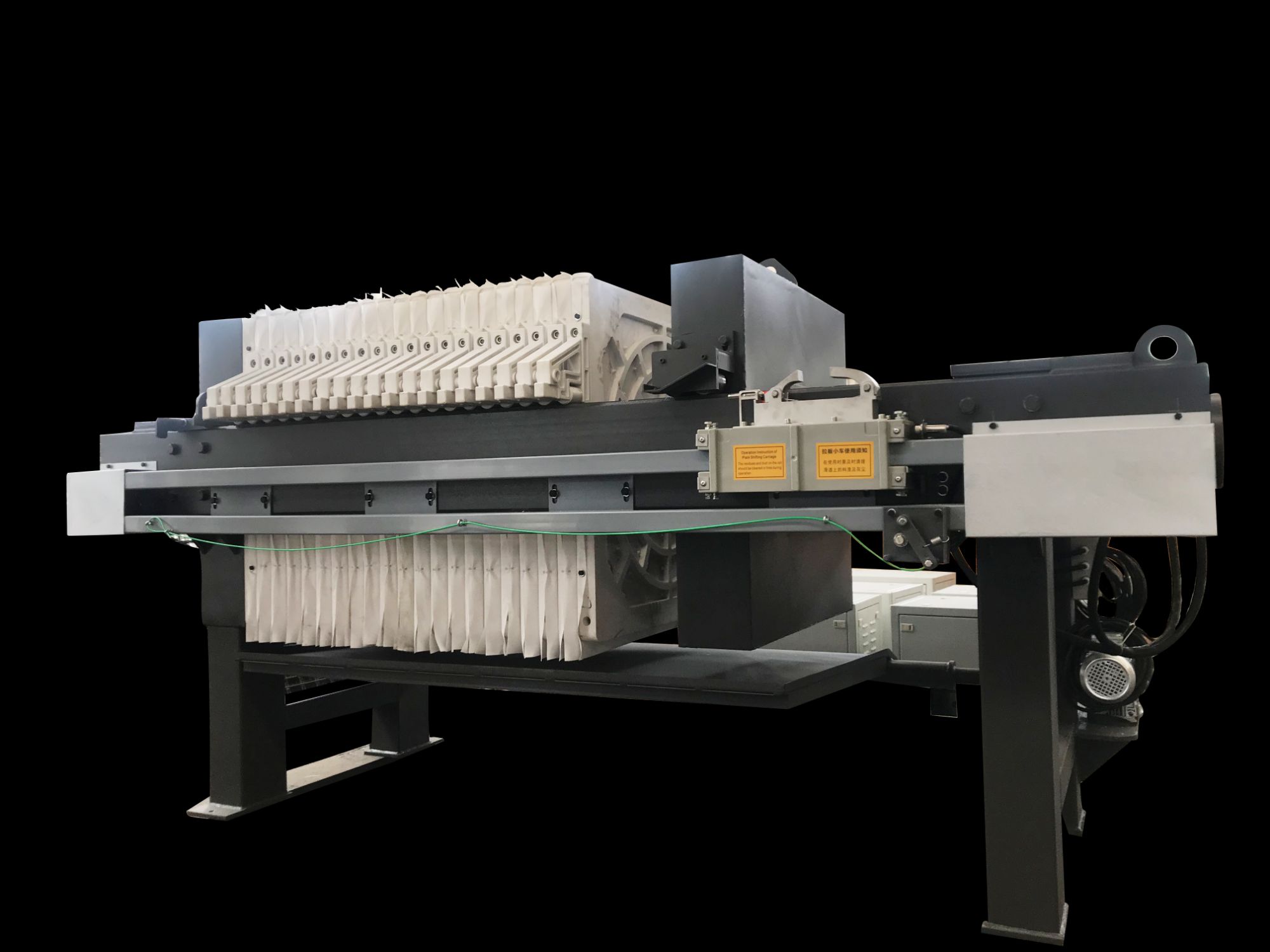
Every chamber filter press relies on a carefully matched set of plates and cloths to handle specific slurries and operating conditions. Rather than using generic components, engineers tailor the plate design—thickness, material, and drain surface—to the cake characteristics and required filtration pressure. Polypropylene plates suit most chemical and food applications, while cast iron or reinforced composites step in for high-temperature or abrasive duties. The chamber depth is tweaked to accommodate expected cake thickness, ensuring efficient cycles without excessive residual moisture.
Equally critical is the choice of filter cloth, which directly influences solids capture and discharge. Monofilament fabrics offer easy cake release and low moisture retention, ideal for crystalline or granular materials. In contrast, multifilament cloths provide finer retention for slimy or colloidal slurries but may demand more attention during cleaning. Surface treatments—like glazing or plasma coating—can further tighten the pore size distribution or improve hydrophilicity, without requiring a full cloth change. Operators often keep a small inventory of cloths with different weaves and finishes to quickly adapt to batch variations.
Beyond the material, the physical hanging and alignment of cloths inside the plate pack determine long-term reliability. A slipped or improperly tensioned cloth leads to bypass streams, uneven cake formation, and premature plate wear. Some presses adopt quick-fit barrel-neck connectors or center-feed grommets to speed up cloth installation and reduce misalignment risks. Periodic checks of the cloth-to-plate seal, along with gentle cleaning routines, preserve cake dryness and extend the life of both components. Small tweaks in plate geometry—like adding support pips or varying gutters—often yield significant gains in production consistency without redesigning the entire machine.
The Difference Custom Frame Design Makes for High-Solids Sludge
When handling high-solids sludge, off-the-shelf frame designs often fall short. Standard configurations can lead to uneven stress distribution, causing premature wear on filter plates and cloth. A custom frame, however, takes into account the specific rheology of the sludge—how it flows under pressure, its abrasive nature, and the required cake thickness. By tailoring the chamber depth and feed port geometry, engineers can ensure more uniform cake formation and lower pressure differentials, which directly reduces maintenance intervals and extends equipment life.
Material selection is another critical aspect that sets custom frames apart. High-solids sludge is frequently laden with grit, chemicals, or elevated temperatures that degrade common cast iron or steel alloys. Custom designs allow for the integration of duplex stainless steels, specialized coatings, or even non-metallic composites in high-wear zones. This not only prevents corrosion but also minimizes surface friction during cake discharge, preventing the stubborn buildup that plagues generic systems. The result is a frame that maintains structural integrity and operational consistency far longer.
Beyond durability, a custom frame fine-tunes the hydraulic and mechanical dynamics of the filtration cycle. For sludges with high resistance to flow, the frame can incorporate staggered or multi-stage feed inlets to balance pressure across the entire chamber area. This subtle engineering eliminates dry spots or zones of excessive compaction that lead to filtrate quality issues. In the end, the difference is seen in the numbers: higher throughput per cycle, lower residual moisture in the cake, and a significantly reduced need for operator intervention—all because the frame was built around the sludge, not the other way around.
Flow Rate, Pressure, and Cycle Time: Finding the Sweet Spot
Every hydraulic system has a natural rhythm where flow rate, pressure, and cycle time intersect. Pushing any one of these variables too far often throws the others out of balance, leading to inefficiency or excess wear. The real skill lies in identifying the combination that delivers consistent performance without overstressing components or wasting energy.
Flow rate dictates how quickly fluid moves through the circuit, which directly influences actuator speed. Pressure provides the muscle to overcome resistance and get work done. Cycle time is the ultimate outcome—the total duration from start to finish for a given operation. When flow is too low, cycle time stretches out; when pressure is too high, components fatigue faster. Getting them to work in concert means mapping the load demands and matching them to pump output with as little throttling as possible.
Small adjustments often yield surprisingly large gains. For instance, slightly increasing flow while reducing system pressure can shorten cycle times without increasing aeration or heat buildup. The sweet spot is rarely a fixed number—it shifts with temperature, load variation, and fluid viscosity. That’s why experienced operators continuously fine-tune these parameters, watching for the slightest signs of cavitation, sluggish response, or pressure spikes. The goal isn’t just speed or force, but a repeatable, controlled motion that completes the cycle smoothly and efficiently.
Real-World Results: Reducing Disposal Costs and Water Usage
Switching to a closed-loop water recycling system cut our wastewater disposal costs by nearly 40% within the first six months. We used to truck out thousands of gallons a week, but now most of that water stays in production—filtered, treated, and reused immediately. The savings weren’t just on hauling and disposal fees; we also lowered intake from the municipal supply, which trimmed utility bills enough to pay for the system upgrades in under two years.
In a textile dyeing facility, a simple tweak to rinse cycles and flow rates dropped water usage by 27% without affecting product quality. Workers initially pushed back, worried about inconsistent results, but after a week of tweaking nozzle positions and timing, the process ran smoother than before. The biggest surprise was how much less dye-laden sludge we had to manage—lower volume meant fewer off-site disposal runs and a significant drop in hazardous waste surcharges.
A food processing plant turned to dry conveyance methods for solid waste, eliminating the need for water flumes entirely. The upfront cost seemed intimidating, but the ongoing savings in water purchases, sewer fees, and dewatering equipment maintenance quickly stacked up. On top of that, the drier waste stream opened a new revenue line: it could be sold as animal feed instead of being landfilled, turning a cost center into a modest profit source while shrinking the plant’s water footprint by over half.
Maintenance Practices That Extend Filter Press Life in Harsh Conditions
Routine inspection of hydraulic systems pays off when temperatures swing wildly. Look beyond the obvious leaks—check hose flexibility and seal integrity early, especially before cold snaps make fittings brittle. A quick pressure test during each cycle can catch wear that leads to sudden failures in abrasive environments.
Plate stacks need more than a glance. After every few batches, run a thin scraper along the corners where solids pack hardest; even a millimeter of buildup eventually warps frames under clamping force. Swap filter cloths before visible damage appears—small punctures let grit reach sealing surfaces, accelerating corrosion on cast-iron components commonly found in older units.
FAQ
It separates water from the sludge that accumulates during concrete production, turning wet waste into solid filter cakes and clear water that can be reused or safely discharged.
Off-the-shelf presses often fail to handle the specific sludge characteristics or fit tight spaces. Tailoring the press to your slurry composition, daily volume, and plant layout ensures smooth integration and reliable performance.
The chamber design applies high pressure to squeeze out water, achieving much drier cakes than gravity-based methods. This speeds up cycle times, reduces volume, and lowers transport costs.
It shrinks sludge volume dramatically, cutting disposal bills, and allows recovered water to be reused in the batching process, which slashes freshwater intake.
Yes, durable plates and filter cloths are selected for abrasive slurries. Custom options include wear‑resistant coatings on high‑contact parts to extend component life.
Routine upkeep is light—mainly cloth rinsing and seal checks. With the right cloth material and optimized cycles, manual effort can be as little as a few minutes each shift.
Definitely. It converts liquid sludge into a solid for easier landfilling or repurposing, and water recycling helps meet strict discharge rules while shrinking the plant’s ecological footprint.
Not if designed around your current layout. A custom unit can align with existing pipes, pits, and free space, keeping installation downtime to a minimum.
Conclusion
Standard filter presses often struggle with the unique sludge from concrete batching plants, which is highly abrasive, dense, and quick to clog conventional equipment. Off-the-shelf models aren't built to handle the sheer volume of solids and the gritty, cementitious nature of the slurry. This leads to frequent breakdowns, slow cycle times, and incomplete dewatering. A custom chamber filter press solves these problems by starting with the right plate and cloth materials—polypropylene plates reinforced for high pressures and monofilament cloths that resist blinding. The frame design is also critical: a heavy-duty, reinforced structure with wider chambers accommodates thicker cake builds without compromising sealing, while automated plate shifting speeds up cake discharge. This tailored approach ensures reliable performance even with high-solids loads that would overwhelm a generic press.
Getting the most from a custom press also means dialing in the flow rate, pressure, and cycle time to match the sludge characteristics. Too fast and you risk cloth damage or bypass; too slow and you waste energy. The right balance maximizes throughput while consistently achieving a dry, stackable cake. In practice, plants using these customized systems report major reductions in waste disposal costs—often cutting dumpster hauls by half—and significant water recovery for reuse in batching. To keep the press running in such harsh conditions, maintenance is simplified: regular cloth rinsing, scheduled hydraulic checks, and keeping a spare set of plates on hand for quick swaps go a long way toward avoiding downtime. The result is a leaner operation with lower operational costs and a smaller environmental footprint.
Contact Us
Contact Person: HaiYan
Email: [email protected]
Tel/WhatsApp: +86 18957325588
Website: https://www.senyoubeton.com/