

Custom Bath Bench Solutions That Blend Safety and Style in Any Bathroom
2026-08-13
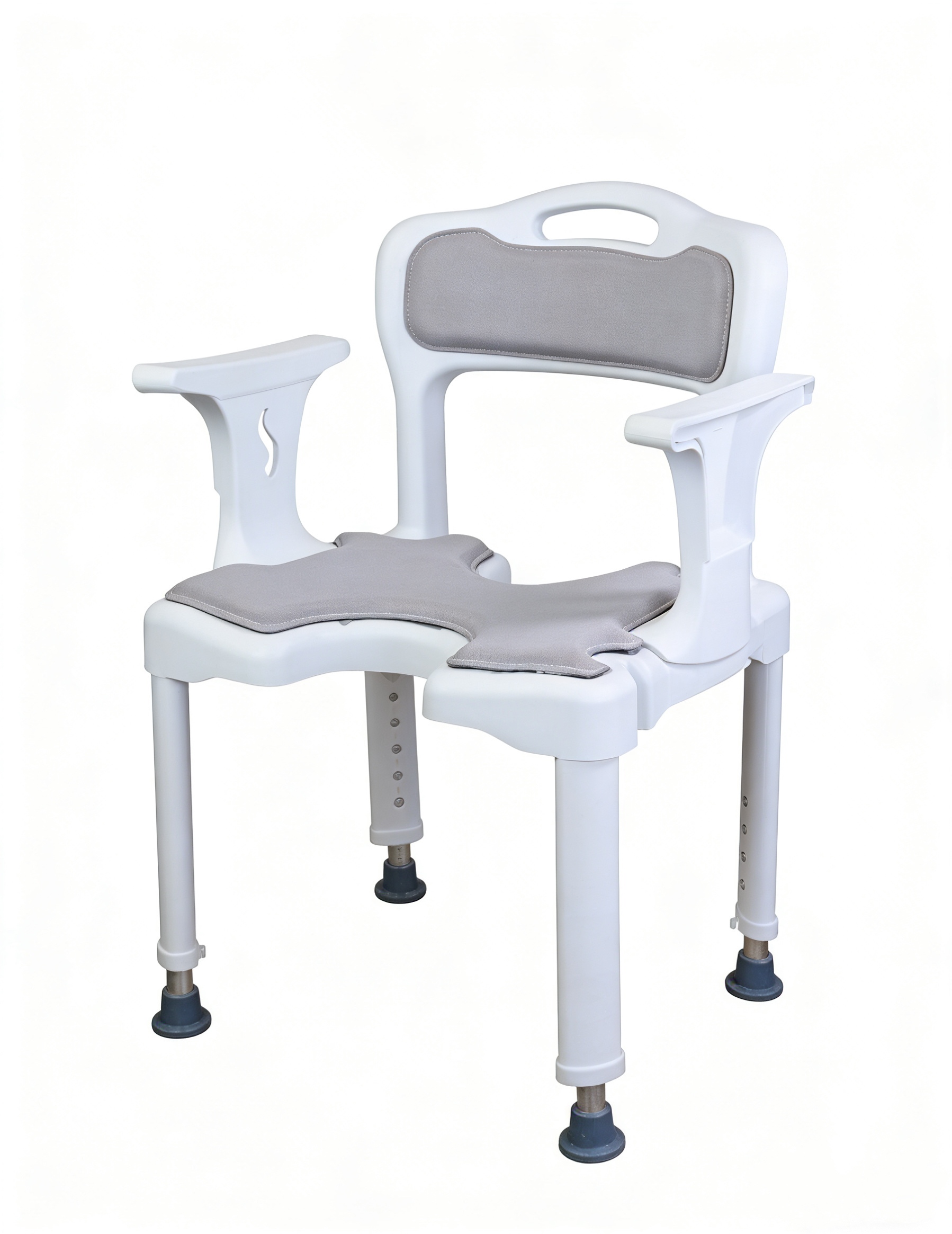
Most bath benches are an eyesore—bulky, white plastic, and about as stylish as a hospital gurney. But safety doesn't have to look like that. Suncare offers custom bath bench solutions that put design on equal footing with function. Choose the wood tone, metal finish, and shape that suit your bathroom, and suddenly a safety aid becomes a piece of furniture you're proud to show off. Whether you're updating for accessibility or simply want a comfortable place to sit while shaving, read on to see how a custom bench can transform both safety and style in your space.
A Bench Cut to Your Shower's Exact Dimensions
Not every shower is a standard rectangle, so a bench cut to your exact measurements slips into the alcove without awkward gaps or wasted corner space. You take the width and depth from finished wall surfaces, and the seat is fabricated to those figures, often with a subtle slope so water runs off instead of pooling.
The result feels built in rather than bolted on. Hidden brackets or a recessed ledge get secured to the studs first, then the solid surface rests on them like a continuous shelf. Because the dimensions match the opening precisely, you can use the full depth as a seat or a foot prop without any wobble or overhang.
If your shower runs unusually narrow or stops short of a common 24-inch panel, this approach keeps the floor open while still giving you a stable place to sit. It also removes the visual clutter of adjustable legs, shims, or filler strips that cheaper kits force you to live with.
Grip That Feels Natural Under Wet Feet
When water gets involved, most surfaces turn into a slip hazard. This one doesn't. The texture has just enough bite to keep your footing steady without feeling rough or abrasive against bare skin.
Walk across a wet deck or step out of the pool and you'll notice the difference immediately. Water channels away instead of pooling, and the grip stays consistent even when you change direction or shift weight quickly. It feels less like you're balancing on a surface and more like the surface is holding you in place.
Fold-Away Seating for Compact Bathrooms
A fold-down seat can turn an unused stretch of wall into a spot to sit while drying off, shaving, or simply taking a break in a cramped bathroom. The real advantage is the slim profile: most models fold to around four inches deep, leaving walkways clear and making the room feel less cluttered than a fixed bench would.
When shopping for one, pay close attention to the hinge and mounting plate rather than just the wood. Solid teak and bamboo hold up well in damp air, but the hardware is what determines whether the seat stays level after months of use. Look for stainless steel or powder-coated brackets rated well above your expected load, and check that the seat locks securely in both the up and down positions.
Mounting height is often overlooked but makes a big difference. Aim for roughly 17 to 19 inches from the floor to the top of the seat, and place it where the folded seat won't block towel bars or the shower door swing. If you're installing it inside a shower, leave a small gap behind the seat for water to run down the wall instead of pooling on the hinge.
Materials That Blend with Tile and Grout
Choosing materials that naturally complement tile and grout keeps a space from feeling disjointed. Look beyond exact matches—consider undertones and texture instead. A honed limestone countertop, for example, picks up the matte quality of ceramic tile while its warm gray veining echoes the grout lines without trying to duplicate them. Similarly, unlacquered brass fixtures develop a patina that subtly bridges the gap between cool porcelain and sandy grout, adding a lived-in layer that feels intentional rather than forced.
Wood brings an unexpected but effective partner when tile dominates. Opt for species with pronounced grain and a low-gloss finish, like white oak or ash, to avoid competing with the grid of grout joints. In wet areas, consider engineered wood or wood-look porcelain cut into planks that run perpendicular to the tile layout—the directional shift creates a quiet rhythm while the shared color temperature ties the materials together. Cork is another overlooked option: its mottled surface softens the hard geometry of tile and absorbs sound, making it especially useful in entries where tile meets living spaces.
For a more seamless approach, turn to poured materials. Microcement and lime plaster can be tinted to sit just a shade lighter or darker than the surrounding grout, smoothing the transition from wall to floor without a lip or caulk line. If you prefer something tactile, tumbled stone mosaics in the same tonal family as your grout add depth while maintaining the overall grid language. The key is restraint—pull one or two hues from the tile itself, then let the other materials recede so the tile remains the quiet anchor.
Sturdy Support Without the Clinical Aesthetic
Most braces and supports look like they belong in a hospital room—sterile, beige, and impossible to hide under normal clothes. This one flips that expectation. The outer shell uses a matte, textured fabric that mimics the look of a premium athletic sleeve, while the internal structure still delivers firm, targeted compression where you need it. You get the same level of joint stability, but the visual language says 'gym gear' rather than 'medical device.'
The design team paid close attention to how the support sits on the body. Instead of bulky straps and rigid edges that dig into skin, the profile is low and follows the natural curve of the limb. Breathable mesh panels are placed along high-sweat zones, and the color options lean into muted earth tones and deep charcoal—colors you'd actually find in a modern activewear line. Even the stitching pattern is borrowed from technical outerwear, giving the whole piece a subtle, engineered look.
Wearing it under a pair of jeans or a fitted shirt doesn't create that telltale bulge or outline. You can go from a morning physio session to a coffee meeting without feeling like you're advertising an injury. The support stays put during movement, so there's no constant adjusting, and after a few minutes you almost forget it's there—until you notice your knee or wrist isn't aching the way it used to. That's the whole point: real support that doesn't announce itself.
Built-In Ledges vs. Freestanding Benches
When planning a shower that balances practicality with a clean visual line, the choice between a built-in ledge and a freestanding bench often comes down to how you use the space daily. A built-in ledge, typically formed by extending the shower pan or tiling over a framed niche, disappears into the architecture. It offers a seamless spot to rest a foot while shaving or to place a bottle without the visual weight of furniture. The trade-off is permanence: once the tile is set, changing the height or depth means demolition.
A freestanding bench, on the other hand, brings a degree of flexibility and a touch of contrast. Whether it's a teak slat bench, a stone slab, or a modern composite piece, it can be repositioned, swapped out, or removed entirely if your needs evolve. This is especially useful in a shared bathroom where different users may want different seating heights, or if you simply like the idea of softening hard tile with an organic material. The downside is visual clutter and the need for occasional maintenance, particularly for wood in a wet environment.
For most homeowners, the deciding factor isn't cost but the room's overall feel. Built-in ledges reinforce a minimalist, monolithic look—great for modern or curbless showers. Freestanding benches lean more traditional or spa-like, inviting you to sit and linger. If you're building from scratch, consider integrating both: a low ledge along one wall for storage and a movable bench for seating, so you don't have to commit to a single solution.
FAQ
A custom bench is built around your actual space and needs. Instead of settling for a standard width or height, you can adjust the seat depth, leg style, and mounting method. It also lets you pick finishes and textures that match the rest of the bathroom, so the bench feels like part of the design rather than an add-on.
Teak, cedar, and marine-grade synthetic woods are popular because they resist rot and warping. For a more modern look, powder-coated aluminum or stainless steel frames with a solid surface seat like Corian work well. The key is choosing materials that don't trap water and can handle daily humidity without staining or breaking down.
Yes, that's one of the main reasons people go custom. You can specify the exact stain, paint color, edge profile, and even the shape of the legs. Whether you want a clean floating bench for a minimalist space or a warm wood slat design for a spa-like feel, the details are tailored to your bathroom.
Safety starts with proper support. The bench should be anchored to studs or built as a sturdy freestanding unit with non-slip feet. A slight inward slope on the seat helps water drain instead of pooling. Adding a textured or matte finish prevents slipping, and grabbing rails can be integrated without making it look institutional.
You can include a built-in shelf or cubby underneath for soaps and shampoos, a fold-down design to save space, or even a cutout for easy cleaning. Some people add a backrest or armrest for comfort. The goal is to design around how you actually use the shower or tub, so the bench becomes a practical piece, not just a seat.
Seat height is usually the first thing to nail down, around 17 to 19 inches works for most adults, but you can adjust it for shorter or taller users. Depth should be at least 15 to 16 inches for comfort. Also check the width of your shower or tub opening and make sure there's enough clearance for doors or curtains to close without hitting the bench.
It depends on the design. A wall-mounted bench needs blocking or studs behind the tile for secure anchoring. Freestanding benches simply sit in place, but should have adjustable feet if the floor slopes. Some units can be installed with heavy-duty adhesive anchors if drilling isn't possible. A good installer will check for waterproofing and slope behind the bench so water doesn't collect.
Absolutely. A corner bench can turn dead space into a useful seat without taking up floor area. Fold-up benches work well in narrow showers. You can also design a narrow ledge-style seat along one wall. Because the dimensions are flexible, you're not forced to fit a standard product into a tricky layout.
Conclusion
A shower bench that actually fits your space starts with measuring the alcove rather than settling for a stock size. When the slab is cut to follow the wall line—say, 34 inches across with a slight taper at the drain side—it stops feeling like an afterthought. Underfoot texture matters just as much: a lightly grooved or matte surface lets bare feet find purchase without the sharp, pebbly feel of institutional safety treads. Pair that with a solid slab in honed limestone, quartz, or even teak that has been sealed to match the surrounding tile, and the bench disappears into the room instead of announcing itself as medical equipment.
For smaller bathrooms, a fold-down teak or powder-coated aluminum bench can tuck against the wall when not in use, yet still lock into place with a firm, quiet click. The frame should take the load without looking bulky—think slim stainless brackets or concealed hinges rather than chunky white plastic. Whether you choose a floating corner ledge or a freestanding bench often comes down to how you use the shower: a ledge suits quick rinse-and-go routines and keeps the floor visually open, while a freestanding bench gives you more room to sit and move. In both cases the support should feel deliberate, never diagnostic.
Contact Us
Contact Person: Frank Chan
Email: [email protected]
Tel/WhatsApp: 0086-13924529088
Website: https://www.suncare-medical.com