

Cryogenic Ball Valves: Exploring ODM Solutions for Advanced Industrial Applications
2026-04-16
In the realm of advanced industrial applications, where precision and reliability are paramount, cryogenic ball valves stand as critical components, enabling the seamless flow of supercooled gases and liquids. At ZMV, we specialize in ODM solutions that push the boundaries of innovation, ensuring these valves meet the rigorous demands of sectors like aerospace, energy, and medical technology. This blog delves into how our tailored approaches and cutting-edge designs are redefining efficiency and safety in extreme environments, offering insights that could transform your next project. Join us as we explore the intricate world of cryogenic technology and discover what sets ZMV apart in delivering excellence at every turn.
Understanding Cryogenic Ball Valves for Extreme Cold Applications
Cryogenic ball valves are specifically engineered to handle the unique challenges posed by extreme cold environments, typically defined as temperatures below -40°C (-40°F). These valves are crucial in industries like LNG (liquefied natural gas) processing, aerospace, and medical applications where materials must remain functional and leak-proof under severe thermal stress. Unlike standard valves, which might become brittle or fail at low temperatures, cryogenic versions incorporate specialized materials such as stainless steel, brass with specific alloys, or polymers that maintain flexibility and integrity. Design features often include extended bonnets to keep the stem seals at warmer temperatures, preventing ice formation and ensuring smooth operation even in sub-zero conditions.
One of the key aspects that sets cryogenic ball valves apart is their focus on thermal management and leak prevention. The design typically includes double-block-and-bleed configurations or soft seats made from materials like PTFE (polytetrafluoroethylene), which remain resilient in cold settings. This minimizes the risk of fugitive emissions, a critical concern in industries handling flammable or hazardous cryogenic fluids. Additionally, these valves undergo rigorous testing, such as helium leak tests and cryogenic cycling, to verify performance under real-world cold scenarios. By prioritizing these elements, manufacturers ensure that the valves not only withstand temperature extremes but also contribute to overall system safety and efficiency.
When selecting a cryogenic ball valve, factors like the specific operating temperature range, pressure ratings, and compatibility with the fluid being handled are paramount. It's not just about surviving the cold; it's about maintaining optimal flow control and longevity in demanding applications. Innovations in this field continue to emerge, with advancements in materials science leading to valves that offer improved resistance to thermal shock and reduced maintenance needs. Ultimately, understanding these valves means appreciating how they bridge the gap between standard engineering and the harsh realities of extreme cold, enabling reliable performance where it matters most.
How ODM Solutions Customize Valves for Industrial Demands
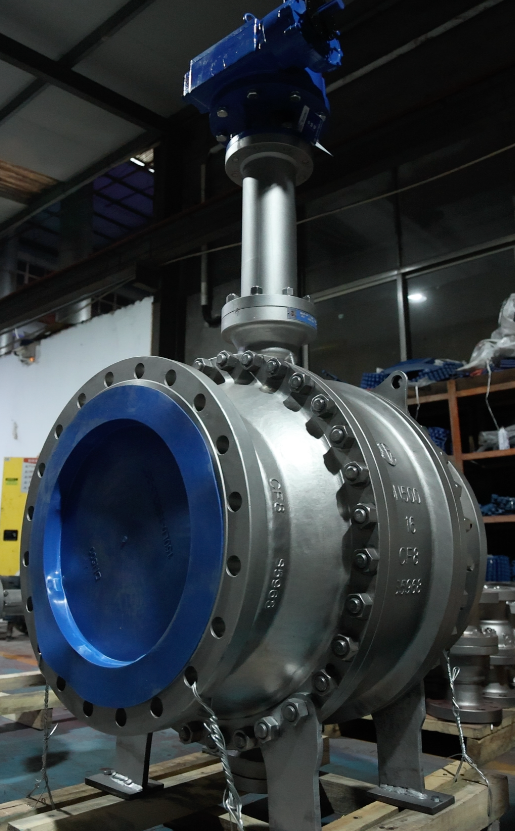
In today's competitive industrial landscape, ODM (Original Design Manufacturer) solutions are revolutionizing the way valves are customized to meet specific demands. Unlike off-the-shelf options, these tailored designs address unique operational challenges, such as extreme temperatures, corrosive environments, or high-pressure systems, ensuring optimal performance and longevity. By collaborating closely with clients, ODM providers integrate advanced materials and precision engineering, delivering valves that not only fit seamlessly into existing setups but also enhance efficiency and safety. This personalized approach is key for industries ranging from oil and gas to pharmaceuticals, where even minor adjustments can significantly impact overall productivity.
What sets ODM valve customization apart is its focus on holistic problem-solving rather than just selling parts. Providers often start with in-depth consultations to understand a client's pain points, like frequent maintenance issues or regulatory compliance needs. They then leverage cutting-edge technologies, such as 3D modeling and simulation, to prototype designs that predict real-world behavior before production begins. This iterative process allows for fine-tuning features like flow control, sealing mechanisms, or compatibility with smart systems, resulting in valves that are not only robust but also future-proof. It's a dynamic partnership that transforms standard components into bespoke solutions, driving innovation across sectors.
Beyond technical specifications, ODM solutions excel in blending flexibility with reliability. For instance, a manufacturer might need valves for a new chemical processing plant that require specific certifications or eco-friendly materials. ODM teams adapt by sourcing specialized alloys or implementing modular designs that simplify upgrades down the line. This adaptability ensures that as industrial demands evolve—whether due to stricter environmental standards or emerging technologies—the valves remain effective and cost-efficient. Ultimately, this custom approach minimizes downtime and maximizes ROI, proving that in an era of rapid change, one-size-fits-all is no longer an option for critical infrastructure.
Key Features That Enhance Performance in Cryogenic Environments
Operating in cryogenic environments, where temperatures plunge well below freezing, demands materials and designs that can withstand extreme thermal stress. One standout feature is the use of advanced composite materials, such as carbon fiber-reinforced polymers, which maintain structural integrity and low thermal conductivity at cryogenic temperatures. These materials prevent brittleness and cracking, ensuring reliable performance in applications like space exploration or superconducting magnets, where even minor failures can lead to catastrophic outcomes.
Another crucial aspect is the integration of specialized insulation systems, like multi-layer vacuum insulation, which significantly reduces heat transfer and energy loss. This not only enhances efficiency by keeping components at optimal temperatures but also extends operational lifespans in harsh conditions, such as in liquefied natural gas storage or cryogenic medical devices. By minimizing thermal fluctuations, these systems contribute to more stable and predictable performance over time.
Moreover, innovative sealing techniques, including metal-to-metal seals and cryogenic-compatible elastomers, play a vital role in preventing leaks and maintaining system integrity under extreme cold. These seals adapt to thermal contraction and expansion, ensuring airtightness that is essential for safety and functionality in fields like cryogenic research and aerospace engineering. Together, these features create robust solutions that excel where traditional methods fall short.
Innovative Designs to Prevent Leakage at Sub-Zero Temperatures
In extreme cold environments, preventing equipment leakage is a critical challenge for industries ranging from chemical processing to aerospace. One of the most notable innovations involves the development of specialized, flexible materials that expand or contract minimally with temperature fluctuations. For instance, engineers have designed elastomers and polymers with unique molecular structures that maintain their integrity and sealing properties even at temperatures dipping well below freezing, effectively preventing cracks and leaks in seals and gaskets.
Another groundbreaking approach focuses on active thermal management systems integrated directly into sealing components. These systems use micro-heaters or circulating fluids to regulate the temperature around critical joints, ensuring that materials do not become brittle or shrink excessively in sub-zero conditions. This proactive method not only prevents leakage but also extends the lifespan of equipment by minimizing thermal stress, making it a standout solution in harsh environments like polar expeditions or deep-space missions.
Beyond material science and heating, some designs incorporate smart monitoring technologies to detect and address potential leaks before they escalate. Sensors embedded in seals can measure pressure changes or detect moisture, sending real-time alerts to maintenance teams. This combination of robust, cold-resistant materials with intelligent oversight creates a layered defense against leakage, offering reliability and efficiency that sets new standards in industries where failure is not an option.
Applications in LNG, Aerospace, and Medical Industries
When exploring the diverse applications of advanced materials and technologies, three sectors stand out for their unique demands and transformative impact: the LNG industry, aerospace, and medical fields. These industries push the boundaries of innovation, driving the development of specialized solutions that enhance safety, efficiency, and patient outcomes.
In the LNG sector, materials must withstand extreme temperatures and corrosive environments, with applications ranging from cryogenic storage tanks to specialized valves. These components ensure the safe transport and storage of liquefied natural gas, leveraging cutting-edge composites to maintain integrity under high pressure. Similarly, aerospace relies on lightweight, durable materials for aircraft components and propulsion systems, supporting fuel efficiency and environmental goals in aviation.
The medical industry benefits from these advancements through improved devices, such as diagnostic imaging equipment and surgical tools, which enhance precision and patient care. This convergence of expertise across sectors fosters innovation that addresses global challenges in energy, transportation, and health.
Benefits of Partnering with an ODM Provider for Valve Solutions
Collaborating with an ODM (Original Design Manufacturer) for valve solutions allows companies to tap into specialized expertise without the heavy capital investment of in-house development. These providers bring years of industry knowledge, enabling access to innovative designs and technologies that might otherwise be out of reach. By leveraging their resources, you can accelerate product launches and tailor solutions to specific market demands, all while maintaining a focus on your core business operations.
Another significant advantage is the flexibility and scalability offered by ODM partnerships. As market needs evolve, an ODM can quickly adapt production volumes and customize valve features, from materials to performance specifications. This agility helps businesses respond to changing customer preferences or regulatory requirements without being bogged down by lengthy internal processes. It’s a strategic move that reduces risk and enhances competitiveness in dynamic sectors like oil and gas or water treatment.
Moreover, partnering with an ODM provider often leads to improved cost-efficiency and quality assurance. By outsourcing manufacturing to experts, companies benefit from economies of scale and refined production techniques, which can lower per-unit costs and minimize defects. This collaboration fosters a long-term relationship built on trust, ensuring consistent delivery of reliable valve solutions that meet high industry standards and boost overall operational reliability.
FAQ
They are engineered to withstand extreme low temperatures, often below -150°C, with materials like stainless steel or special alloys to prevent brittle failure and ensure reliable sealing in environments like LNG processing, aerospace, or cryogenic research.
ODM partnerships allow companies to collaborate on tailored designs, integrating specific materials, coatings, or features for unique operational needs, reducing development time and costs while ensuring compliance with industry standards like ISO 28921-1.
Key challenges include preventing thermal contraction-related leaks, managing frost buildup on sealing surfaces, and ensuring durability against repeated thermal cycling, which can cause material fatigue and affect valve performance over time.
Yes, common examples include use in LNG liquefaction plants for flow control of cryogenic fluids, in medical cryosurgery equipment for precise temperature regulation, and in space exploration systems for handling liquid hydrogen or oxygen in rockets.
Essential materials include austenitic stainless steels (e.g., 316L) for corrosion resistance at low temps, specialized polymers like PTFE for seals to maintain flexibility, and alloys with low thermal expansion coefficients to minimize dimensional changes under extreme cold.
Standards such as ISO 28921-1 and ASME B16.34 dictate design and testing protocols, ensuring valves meet pressure ratings and leak-tightness requirements; ODM collaborations must adhere to these, often involving third-party verification for market credibility.
Innovations include smart valves with integrated sensors for real-time temperature and pressure monitoring, advanced coatings to reduce ice formation, and modular designs that allow easy maintenance and adaptation to varying industrial setups without full replacements.
Installation requires careful handling to avoid thermal shock, often involving pre-cooling procedures, while maintenance focuses on periodic checks for seal degradation and insulation integrity, with special tools and protocols to prevent moisture ingress during servicing.
Conclusion
Cryogenic ball valves play a crucial role in advanced industrial applications where extreme cold conditions demand reliable performance. Understanding these valves involves recognizing their specialized design to handle temperatures far below freezing, such as in LNG processing or aerospace systems. ODM solutions take this a step further by customizing valves to meet specific industrial demands, ensuring they fit unique operational requirements and environmental challenges. This customization is not just about size or material; it includes tailoring features like sealing mechanisms and thermal insulation to enhance durability and safety in cryogenic settings.
Innovative designs are key to preventing leakage at sub-zero temperatures, incorporating elements like extended stems and low-temperature seals that maintain integrity under stress. These features directly benefit industries such as medical technology and aerospace, where precision and reliability are non-negotiable. Partnering with an ODM provider offers significant advantages, including access to expertise in valve engineering and the ability to develop bespoke solutions that outperform off-the-shelf options. By leveraging ODM collaborations, companies can achieve optimized performance, reduced downtime, and enhanced safety in their cryogenic applications, making it a strategic choice for cutting-edge industrial projects.
Contact Us
Contact Person: Lucas Lin
Email: [email protected]
Tel/WhatsApp: 8613968913000
Website: https://www.zhengmaogroup.com