

Continuous Duty Air Compressors for Chemical Plants: Reliable 24/7 Operation
2026-08-25
In a chemical plant, a single minute of unplanned downtime can trigger safety risks, production losses, and costly regulatory headaches. The air compressors powering critical processes must run nonstop—no exceptions, no excuses. That’s where Seize Air steps in. Our continuous duty air compressors are engineered for the harshest 24/7 operations, delivering relentless reliability without the usual trade-offs in efficiency or maintenance. Ready to see why more plant managers trust Seize Air to keep their lines moving? Let’s dive into what makes true continuous duty possible.
The True Cost of a Stalled Production Line
When a production line grinds to a halt, the visible losses are just the tip of the iceberg. Idle workers still draw wages, machinery sits depreciating, and overhead costs keep ticking without generating output. But the real damage often hides beneath the surface: missed delivery deadlines erode customer trust, rush orders force expensive expedited shipping, and the disruption can cascade into downstream operations that depend on a steady flow of parts.
Beyond the immediate financial blow, stalled lines create a ripple effect that managers rarely measure. Quality suffers when teams rush to catch up after downtime, leading to rework or scrap. Maintenance backlogs grow as attention shifts to restoring production, increasing the likelihood of future breakdowns. Over time, chronic stoppages become normalized, dulling the urgency to fix root causes and slowly bleeding profitability from the entire operation.
Smart manufacturers treat every minute of downtime as a learning opportunity, not just a cost to absorb. By tracking the true cost per stalled hour—including lost revenue, labor inefficiency, and customer churn—they prioritize preventive measures that pay for themselves many times over. The alternative is a silent leak that no quarterly report fully captures, until a major client walks away or a rival seizes the market gap.
Built for the Grind: What Continuous Duty Really Means
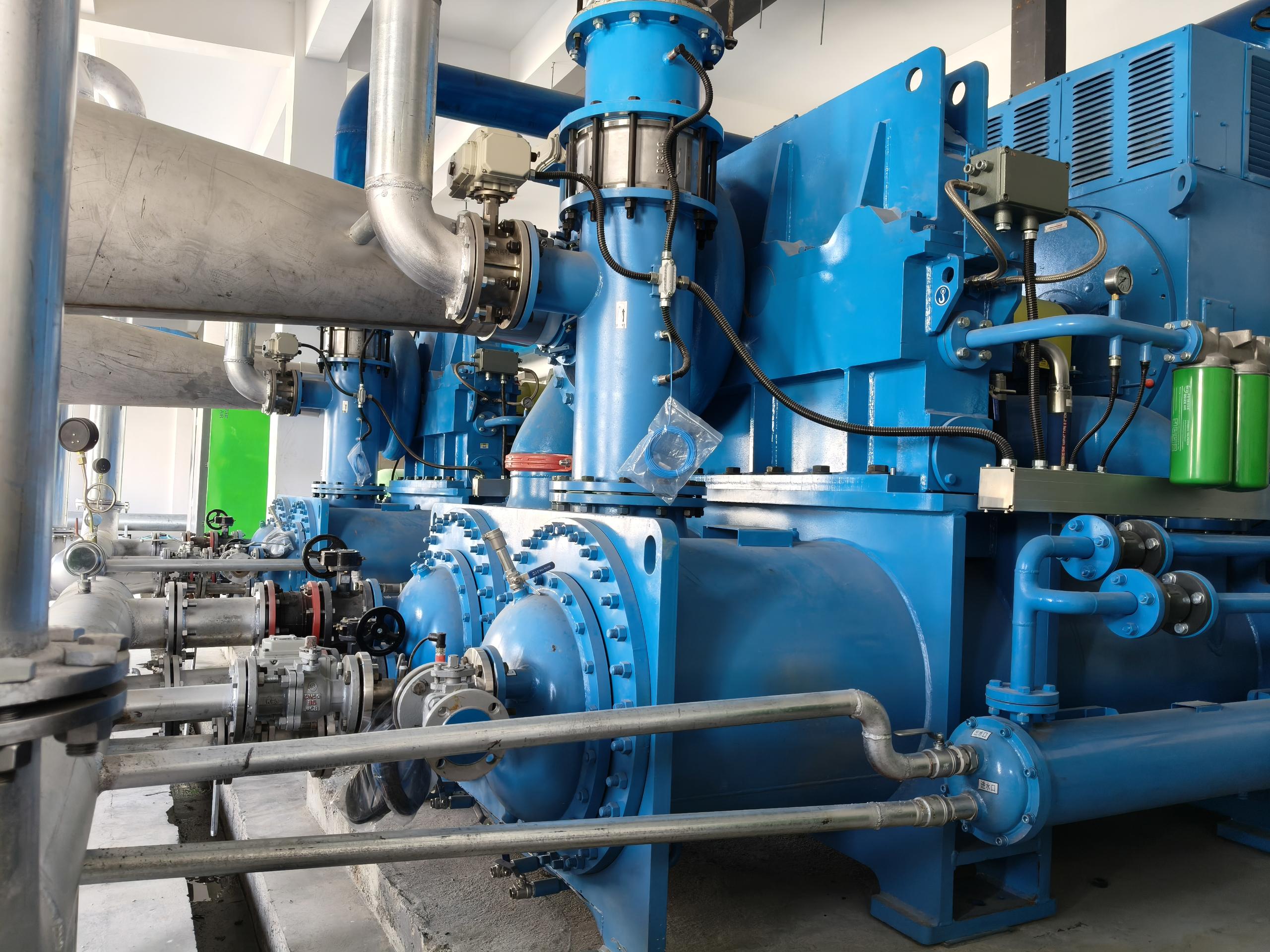
A continuous duty label is not a marketing badge. It tells you that every part downstream of the power switch was sized for full output without breaks. The windings in the motor are thick enough to shed heat faster than they build it. The pump or generator head is built with clearances that handle thermal expansion. Even the cooling fan and fin spacing are arranged so that after six hours the case is hot but not cooking the oil or insulation. Plenty of machines can hit a number for ten minutes; far fewer can hold it until quitting time.
Think about what happens when a tool is rated for only intermittent duty but gets used like a continuous unit. The thermal overload trips in the middle of an operation, or the seals start weeping because the pressure vessel never gets a chance to cool. On a jobsite, that becomes a rhythm killer: you stop, wait, reset, then rush to catch up. Continuous duty removes that waiting game. You set the regulator or the throttle where you need it and leave it there, because the design actually supports the load curve you are asking for.
The difference shows up in the bill of materials, not in the brochure photo. Continuous duty compressors and generators tend to run heavier castings, larger oil reservoirs, and more conservative RPM limits. That weight and cost is the point. It is not there to make the unit harder to move; it is there to keep internal temperatures stable when the ambient air is already ninety degrees and the machine has been on since sunrise. If your crew cannot afford a midday shutdown, the continuous duty rating is the only honest number on the spec sheet.
Cooling Systems That Never Sleep
In a data center, the hum of cooling units is the true heartbeat of the building. These systems don't clock out at 5 p.m. or slow down on weekends; they push chilled air through server aisles around the clock, absorbing heat that never stops radiating from racks of processors. A single minute of downtime can push temperatures past safe thresholds, so the cooling loop—pumps, chillers, and fans—is engineered to run relentlessly, with sensors feeding real-time adjustments every few seconds.
Redundancy is what keeps the "never sleep" promise alive. If one compressor fails, a backup kicks in before the temperature curve even flattens. Technicians monitor pressure differentials and fluid levels from mobile dashboards at 3 a.m., knowing that the only acceptable surprise is no surprise at all. It's a quiet, mechanical vigilance that turns thousands of liters of water or refrigerant into a stable thermal shield.
The real art is balancing energy draw with thermal load. Modern systems use variable-speed drives and free cooling from outside air when nights turn cold, but the core philosophy remains unchanged: the cooling must outlast the heat. That means predicting failures before they happen, swapping filters on schedule, and treating every bearing and belt as if the entire operation depends on it—because it does.
Load Matching Without the Guesswork
Matching a load to a power source used to mean flipping through tables, hoping the numbers lined up, and then crossing your fingers during the first test run. That slow, manual process added hours to every job and still left room for error. We stepped back and asked a simpler question: what if the system could read the load itself and respond instantly? Instead of forcing you to guess, the equipment now measures actual demand, adjusts output on the fly, and keeps everything within a safe, efficient window.
The difference shows up in the details. A compressor starting under load no longer sags the voltage because the controller already anticipated the spike and ramped up current before the motor even complained. Generators throttle down at idle instead of wasting fuel, then surge smoothly when a tool kicks on. It feels less like managing a machine and more like having a partner who already knows what the job needs next.
What used to take a trained eye and a few minutes of trial and error now happens in milliseconds, silently, every single time. That removes the guesswork not just from setup, but from daily operation. You plug in, flip the switch, and get to work—leaving the load balancing to something that never gets tired, never skips a step, and never second-guesses itself.
Maintenance Windows That Don't Stop the Plant
Shutting down an entire line for routine upkeep used to be the default, but it is not the only path. A mix of redundant equipment, bypass piping, and condition-based triggers lets technicians swap out pumps or replace filter elements while production keeps running. For example, a parallel heat exchanger can take the load while the primary unit is cleaned, and automated switchgear can be exercised under no-load conditions during off-peak hours without interrupting downstream processes.
The real shift comes from timing work around asset health rather than fixed calendar dates. Vibration readings, oil analysis, and thermal scans reveal which bearings or motors actually need attention, so crews spend their limited windows on the right equipment. In many plants, this means a 20-minute rolling window on a conveyor drive during a product changeover, or isolating a section of ductwork with slide gates to inspect fans while the rest of the system stays live. The plant never stops; the maintenance fits into the gaps the process already creates.
Material Choices for Corrosive Environments
Selecting materials for corrosive environments is rarely as simple as consulting a single corrosion chart. Field conditions often combine aggressive media with temperature swings, flow-induced erosion, and trace contaminants that can accelerate attack. Austenitic stainless steels like 316 are a common starting point, but their resistance to chlorides is limited and pitting can occur in seawater or even damp marine atmospheres. Where chloride stress corrosion cracking is a risk, duplex stainless steels or nickel-based alloys such as Alloy 625 offer a more dependable margin, though they come at higher cost and may require specialized welding procedures.
For strongly oxidizing acids or hot chloride brines, titanium and zirconium deliver exceptional passivity, but they are not universal solutions. Titanium performs well in chlorine dioxide bleaching and seawater, yet it can ignite in red fuming nitric acid or suffer crevice corrosion above certain temperatures. Zirconium handles sulfuric and hydrochloric acids across broad ranges but is overkill for mild service. Non-metallic options like fluoropolymer linings, fiberglass-reinforced plastic, and high-density polyethylene can be economical for low-pressure tanks and piping, but they demand careful attention to permeation, UV stability, and mechanical support to avoid premature failure.
A practical material selection process combines accelerated lab tests with actual service exposure, because published corrosion rates often assume idealized, quiescent conditions. For asset owners, this might mean installing corrosion coupons or using electrochemical monitoring to validate that the chosen alloy or coating will survive the full operating envelope. Over-specifying exotic alloys wastes capital, while under-specifying leads to leaks and unplanned downtime. In many plants, a layered approach works best: a carbon steel substrate protected by a high-performance coating or lining, with periodic inspection and touch-up to address coating damage before the base metal is compromised.
FAQ
Chemical manufacturing processes often depend on a steady supply of compressed air for instrumentation, pneumatic controls, and material handling. Even brief interruptions can shut down reactors or create unsafe conditions, so compressors designed for nonstop operation are critical to keeping production stable.
Continuous duty models are built with heavier-duty components—like oversized bearings, efficient intercoolers, and robust valves—that allow them to run at full load around the clock. They also include cooling systems sized for sustained heat rejection, whereas standard units may only handle intermittent use.
Many are offered with special coatings, stainless steel piping, and sealed electrical enclosures to resist corrosive gases and moisture. Vibration monitoring and automatic shutdown controls add another layer of protection against unexpected failures.
Regular oil analysis, filter replacements, and checking belt tension or coupling alignment are key. Since these machines run constantly, predictive maintenance—like monitoring temperatures and pressures—can catch small issues before they cause downtime.
Yes, many are paired with variable speed drives or load/unload controls that adjust output without stopping the compressor. This not only matches changing demand but also reduces energy consumption during low-load periods.
Plants often install multiple compressors with a lead/lag control system so one unit can be serviced while others keep the system pressurized. This design prevents any single point of failure from halting operations.
You need to account for total air demand, pressure requirements, and future expansion. An audit of all pneumatic tools, valve actuators, and process loads helps avoid undersizing, which would force the compressor to overwork and shorten its service life.
Look for two-stage compression with efficient intercooling, heat recovery options, and variable speed drives. These features reduce power draw during partial loads, which is common in plants with fluctuating air needs.
Conclusion
In a chemical plant, a stalled production line isn't just an inconvenience—it's a cascading failure that bleeds money by the minute. Continuous duty air compressors are engineered to eliminate that risk, delivering air around the clock without flinching. These machines aren't simply oversized standard units; they're built with reinforced frames, heavier bearings, and oversized coolers that keep internal temperatures stable even under relentless load. Their cooling systems, often featuring oversized aftercoolers and thermostatically controlled fans, never sleep, ensuring discharge air stays dry and clean for sensitive processes. Load matching happens automatically through variable capacity controls and sequencing, so the compressor bank adjusts in real time to plant demand without wasteful idling or pressure fluctuations.
Maintenance windows are designed to fit into planned shutdowns rather than causing them. Quick-access panels, extended service intervals, and redundant filtration allow technicians to perform routine checks while the system keeps running. In corrosive environments—where acid vapors, salt air, or hydrogen sulfide are constant threats—material selection becomes critical. Stainless steel coolers, epoxy-coated intercoolers, and special alloy piping resist pitting and stress corrosion cracking, extending service life dramatically. The true payoff is reliability: a continuous duty compressor that tolerates harsh chemistry, adapts to variable loads, and shrugs off heat means fewer emergency repairs, lower energy waste, and a production line that actually runs 24/7 as promised.
Contact Us
Contact Person: Mia
Email: [email protected]
Tel/WhatsApp: +86 19821985894
Website: https://www.seize-air.com