
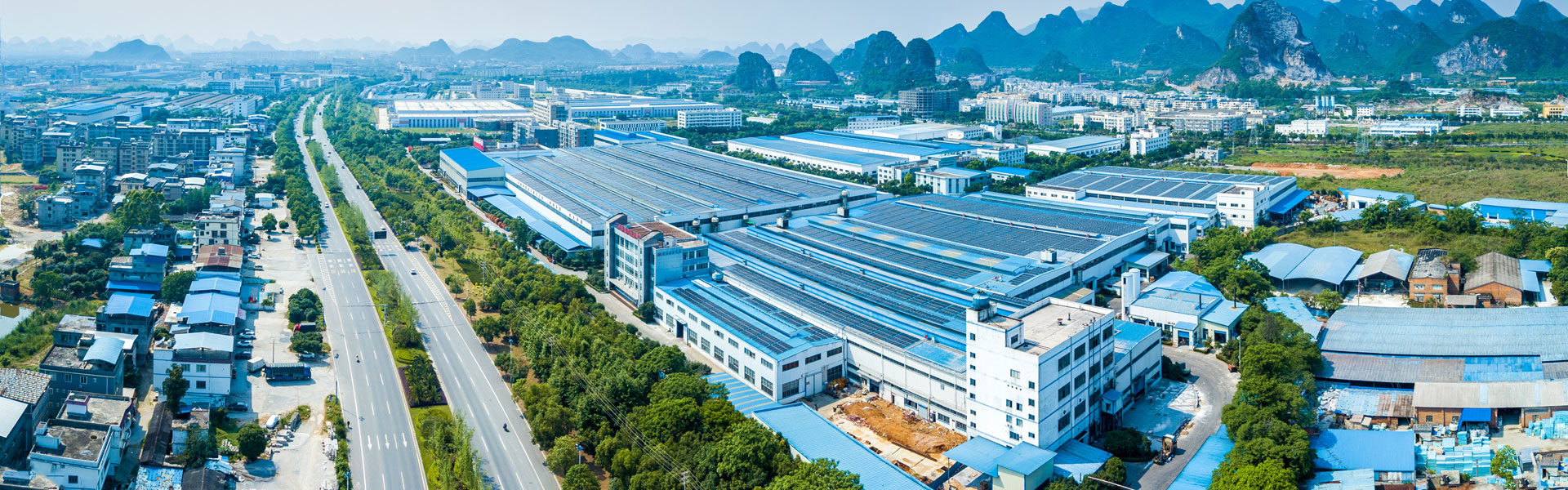
China Grain Oriented Electrical Steel: Essential Core Material for Efficient Power Transformers
2026-02-01
In the heart of every efficient power transformer lies a critical component often overlooked: grain-oriented electrical steel (GOES). This specialized material is the unsung hero of modern electrical grids, enabling the reliable and energy-efficient transmission of power across vast distances. As global demand for sustainable energy solutions grows, the role of high-quality GOES becomes increasingly vital. At the forefront of this innovation is Jiangsu Baowu New Materials, a leader in producing advanced electrical steels that drive transformer performance to new heights. In this blog, we’ll delve into how China’s grain-oriented electrical steel is revolutionizing power infrastructure, and why it’s essential for a greener, more connected future. Join us as we explore the science, impact, and cutting-edge developments shaping this core material.
The Role of Grain Oriented Electrical Steel in Modern Power Transformers
In the intricate world of modern power transformers, grain oriented electrical steel plays a pivotal role in enhancing efficiency and reliability. This specialized material, with its unique crystalline structure aligned in the direction of rolling, significantly reduces energy losses during magnetic flux reversal. By minimizing hysteresis and eddy current losses, it allows transformers to operate with higher performance while managing heat generation more effectively. This is crucial in today's energy-intensive applications where every watt saved translates to lower operational costs and reduced environmental impact.
Beyond mere efficiency, grain oriented electrical steel contributes to the compact design and longevity of transformers. Its superior magnetic permeability enables the use of thinner laminations, which reduces the overall size and weight of the transformer core without compromising on power handling. This aspect is particularly important in urban settings where space constraints demand smaller, more robust installations. Moreover, the material's durability under continuous load helps transformers withstand the rigors of long-term operation, ensuring stable power delivery across grids.
Innovations in manufacturing techniques have further refined the application of this steel, tailoring its properties to meet specific transformer needs. With advancements in coating technologies and grain orientation precision, modern versions offer improved corrosion resistance and reduced magnetostriction noise. This ongoing evolution underscores how grain oriented electrical steel remains at the heart of transformer design, not just as a passive component but as an active enabler of smarter, more resilient power systems.
Advantages of China's Electrical Steel for Energy Efficiency
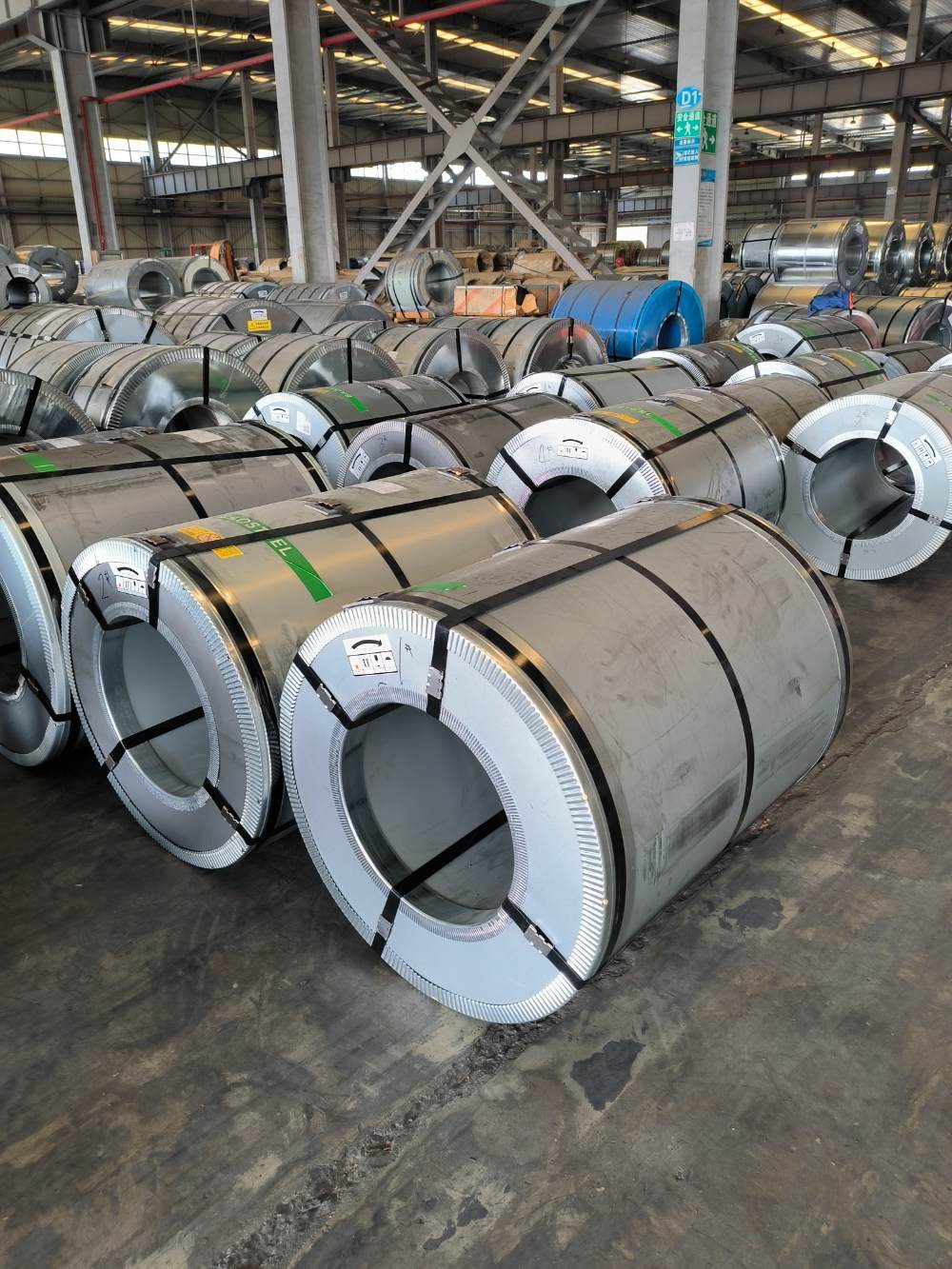
China's electrical steel has significantly advanced energy efficiency in various applications, largely due to its superior magnetic properties and reduced core losses. By minimizing energy dissipation during operation, this material enhances the performance of transformers, motors, and generators, leading to lower electricity consumption and operational costs. In a world increasingly focused on sustainability, these improvements help industries reduce their carbon footprint while maintaining high productivity levels.
One of the standout features is the development of grain-oriented electrical steel, which offers exceptional magnetic permeability and directional characteristics. This allows for more compact and efficient designs in power distribution systems, enabling better energy transmission over long distances with minimal losses. As a result, utility companies and manufacturers can achieve higher reliability and longer service life for their equipment, contributing to overall grid stability and reduced maintenance needs.
Moreover, innovations in production techniques, such as advanced rolling and annealing processes, have further refined the material's quality. These methods reduce impurities and enhance grain structure, leading to lower hysteresis and eddy current losses. Compared to conventional alternatives, China's electrical steel provides a tangible edge in efficiency, making it a preferred choice for industries aiming to meet stringent energy regulations and achieve greener operations without compromising on performance.
Manufacturing Techniques Enhancing Transformer Core Performance
In the realm of electrical engineering, the pursuit of optimal transformer core performance hinges on innovative manufacturing techniques. Recent advancements in lamination processes, such as using precision-laser cutting, have significantly reduced core losses by minimizing air gaps and ensuring tighter grain orientation in electrical steel. This not only boosts efficiency but also extends the lifespan of transformers, making them more reliable in demanding applications. By integrating automated assembly lines with real-time quality monitoring, manufacturers can consistently produce cores that meet stringent energy standards, thereby cutting operational costs and environmental impact.
Another cutting-edge approach involves nanocrystalline and amorphous material fabrication, which challenges traditional silicon steel cores. These materials offer superior magnetic properties, such as reduced hysteresis and eddy current losses, through specialized rapid solidification techniques. For instance, by employing melt-spinning processes, manufacturers create thin ribbons with non-crystalline structures that enhance permeability and thermal stability. This technique allows transformers to operate at higher frequencies with minimal energy dissipation, ideal for modern smart grids and renewable energy systems, setting a new benchmark in performance.
Additionally, advanced coating and insulation methods play a crucial role in enhancing core durability and efficiency. Techniques like plasma-enhanced chemical vapor deposition (PECVD) apply thin, uniform insulating layers that prevent inter-laminar short circuits and reduce stray losses. Combined with stress-relief annealing processes, these coatings help maintain magnetic properties under varying loads, ensuring consistent performance over time. Such innovations not only improve transformer reliability but also facilitate compact designs, enabling more efficient power distribution in space-constrained environments.
Applications in High-Voltage Grids and Industrial Systems
High-voltage grids and industrial systems rely on advanced technologies to manage power distribution and operational efficiency. In high-voltage grids, applications include smart grid solutions that optimize energy flow, enhance grid stability, and integrate renewable sources like wind and solar, reducing reliance on fossil fuels and minimizing outages. These systems utilize real-time monitoring and automation to respond swiftly to demand fluctuations and faults, ensuring reliable electricity supply to urban and remote areas alike.
In industrial contexts, applications focus on powering heavy machinery, process automation, and safety mechanisms. Industries such as manufacturing, mining, and oil refining employ high-voltage systems to drive motors, control production lines, and maintain critical operations under peak loads. Technologies like variable frequency drives and protective relays improve energy efficiency and prevent equipment damage, supporting continuous operation and cost savings in competitive markets.
Beyond traditional uses, innovations in high-voltage applications are emerging, such as electric vehicle charging infrastructure and smart factories. These developments leverage grid connectivity to support fast charging stations and data-driven industrial processes, fostering sustainability and adaptability. By blending grid and industrial expertise, these applications drive progress toward more resilient and efficient energy ecosystems worldwide.
Quality Standards and Material Innovations in China
In recent years, China has made significant strides in enhancing quality standards across various industries, driven by a national focus on innovation and global competitiveness. For instance, the implementation of stricter regulations and certification processes, such as the China Compulsory Certification (CCC) mark, ensures that products meet high safety and performance benchmarks. This commitment to quality is not just about compliance; it reflects a broader shift towards sustainability and consumer trust, positioning Chinese goods as reliable choices in international markets.
Material innovations play a crucial role in this evolution, with China investing heavily in research and development to produce advanced materials that reduce environmental impact and boost efficiency. Breakthroughs in areas like lightweight composites for aerospace, durable polymers for electronics, and eco-friendly textiles are transforming manufacturing practices. These materials not only enhance product durability and functionality but also support circular economy initiatives, helping companies minimize waste and energy consumption throughout the production lifecycle.
What sets China apart in this realm is the integration of traditional craftsmanship with modern technology, fostering unique applications that blend heritage with cutting-edge science. For example, the revival of ancient silk-making techniques combined with nanotechnology has led to smart fabrics that offer superior comfort and health benefits. This synergy between old and new not only creates distinctive products but also drives economic growth, making China a hub for material innovation that rivals leading global players.
Future Trends in Electrical Steel for Sustainable Power Solutions
Electrical steel is evolving rapidly to meet the demands of a greener energy landscape, with a strong push toward enhancing energy efficiency and reducing carbon footprints in power applications. Innovations in grain-oriented and non-oriented grades are enabling transformers and motors to operate with significantly lower core losses, which directly translates to less wasted energy and lower operational costs. Researchers are also exploring novel alloy compositions, such as those incorporating rare-earth elements, to achieve unprecedented magnetic properties that support higher frequencies and power densities. These advancements are crucial as the world shifts toward renewable sources like wind and solar, where efficient power conversion and distribution are paramount for maximizing sustainability.
Another key trend involves the development of more sustainable manufacturing processes for electrical steel, focusing on reducing raw material waste and energy consumption during production. Techniques like additive manufacturing and advanced rolling methods are being adopted to create thinner, more uniform laminations that minimize eddy current losses. This not only improves the performance of electrical motors in electric vehicles and industrial systems but also aligns with circular economy principles by enabling easier recycling and reuse of materials. As regulations tighten on energy efficiency standards globally, these process innovations help manufacturers stay ahead while contributing to broader environmental goals.
Looking ahead, the integration of smart technologies and digitalization is set to revolutionize how electrical steel is utilized in sustainable power solutions. Sensors embedded in steel laminations can provide real-time data on temperature, stress, and magnetic performance, allowing for predictive maintenance and optimized energy management in grids and machinery. This data-driven approach enhances reliability and extends the lifespan of equipment, reducing the need for frequent replacements and conserving resources. Ultimately, these forward-looking trends in electrical steel are paving the way for a more resilient and eco-friendly power infrastructure that can adapt to the dynamic challenges of climate change and energy transition.
FAQ
Grain-oriented electrical steel is crucial because its aligned grain structure minimizes energy loss through hysteresis and eddy currents, enhancing transformer efficiency and reducing electricity waste in power distribution.
China has become a leading producer, with advanced manufacturing facilities and growing export volumes that compete with traditional markets like Japan and Europe, supporting global demand for high-efficiency transformers.
The process involves cold rolling and annealing to align the steel's crystal grains in one direction, improving magnetic properties. This reduces core loss and boosts performance in applications like transformers and inductors.
It cuts energy losses significantly, leading to lower carbon emissions from power generation. Over a transformer's lifetime, this can save substantial energy and contribute to sustainability goals.
It's also employed in large generators, motors, and reactors where high magnetic permeability and low core loss are essential for efficient energy conversion and transmission.
Challenges include high production costs and technological competition. China invests in R&D and process optimization to improve quality and reduce costs, maintaining competitiveness in the global market.
Conclusion
China's grain-oriented electrical steel serves as a vital core material in modern power transformers by optimizing magnetic properties to reduce energy losses and enhance operational efficiency. Its role extends to bolstering energy conservation in high-voltage grids and industrial systems, where it helps maintain stable power distribution. Chinese manufacturers have leveraged advanced manufacturing techniques and stringent quality standards to produce materials that not only meet but often exceed international benchmarks, contributing significantly to sustainable power solutions.
Innovations in this field are driving future trends, focusing on material enhancements that further minimize core losses and improve transformer performance. These advancements, combined with China's commitment to energy efficiency, position its electrical steel as a key component in the global shift toward greener energy. As industrial demands grow, ongoing research and development promise continued improvements, ensuring that China's grain-oriented electrical steel remains essential for efficient and sustainable power transformers worldwide.
Contact Us
Contact Person: Zoe Liang
Email: [email protected]
Tel/WhatsApp: 86 189 2128 6299
Website: https://www.baowuchina.com