

Calcium Chloride 94% Pellets Manufacturer Tips for Finding a Trusted Supplier
2026-11-17
Calcium chloride 94% pellets look nearly identical from one supplier to the next—until they hit your equipment, your de-icing schedule, or your dust-control budget. Purity claims are easy to print; consistent pellet quality and reliable delivery are harder to verify. That is where the vetting process matters, and why buyers increasingly compare options against producers like Shouguang Golden Chemical. Before you sign another contract, a few sharper checks can save you from weak specs and late shipments.
Ask Where the Calcium Chloride Actually Comes From
A bag of calcium chloride rarely tells you much beyond the assay percentage. The raw material can come from underground brine wells, from limestone treated with hydrochloric acid, or as a byproduct of chemical manufacturing. Each route leaves a different fingerprint of trace metals, moisture behavior, and unintended residues, which matters once the product moves beyond a sidewalk deicer into food processing, dust control, or concrete acceleration.
Ask the supplier to name the production site and the feedstock. Natural brine often carries bromides and sulfates that influence performance in cold weather. Synthetic material may look cleaner on paper but can shift in price and availability with the petrochemical or chlor-alkali markets. If the answer is vague about whether the calcium chloride is food-grade, technical-grade, or reclaimed from another process, treat that as a signal to dig further.
Transportation leaves a mark as well. A product that travels halfway around the world as a liquid before being dried locally can have a larger carbon footprint than a pelletized product sourced closer to the end user. Knowing the origin does not automatically make one source better, but it turns a generic commodity into something you can actually compare.
Make Them Prove It With a Sample
Forget the polished talk for a minute. A sample is what actually tells you whether someone can deliver. The website can be beautiful, the proposal can sound sharp, and the references can be handpicked. None of that matters as much as holding the product, clicking through the prototype, or reading the actual words they wrote for a similar client. Small flaws show up almost immediately: rushed welds, clunky navigation, lazy transitions, details that only a careful person would notice.
Asking for a sample also separates serious people from those who just talk well. A competent person usually has something to show, even if it needs to be stripped of client names or adjusted to fit your context. The ones who get defensive or vague are telling you something useful without saying it outright. You don't need to demand a full custom piece. A past report, a short code snippet, a few photos of completed work, or a test batch will often reveal enough.
Keep the request simple and direct. You are not asking for free labor; you are asking for evidence before you commit money or time. If they refuse or make it difficult, treat that as part of the sample itself. The way someone handles the request often tells you more than the sample ever could.
Watch for Brokers Pretending to Be Producers
A broker who claims to own processing plants, packing sheds, or farm acreage should be easy to verify. Ask for the physical address of the facility, the names of the operators, and recent inspection records. If the answers feel vague or the address leads to a rented desk, you are probably dealing with a middleman who has dressed up a trading operation to look like a producer.
One telltale sign is how quickly they can answer operational questions. A real producer usually knows harvest timing, wash schedules, cold storage capacity, and freight loading details without hesitation. A broker pretending to be a producer tends to stall, overpromise, or push you toward a “partner” who will handle the actual supply.
Before signing anything, ask for proof of origin, lot numbers, and traceability documents that tie the product back to a specific facility or field. If the paperwork only shows a trading company name and a purchase order, treat the relationship as a brokerage deal—not a direct purchase—and price your risk accordingly.
Moisture and Impurities Tell You More Than the Spec Sheet
A certificate of analysis gives you numbers, but a quick scoop of material in your palm often tells a truer story. Powders that clump, flow unevenly, or leave residue on equipment usually aren't failing because the listed assay is off—they're failing because moisture has quietly altered particle behavior. Surface water bridges grains together, creating false aggregates that look fine in a lab report but behave unpredictably under real processing conditions.
Impurities rarely announce themselves as a dramatic drop in purity. Instead, they show up as odd color streaks after drying, a faint haze in solution, or a batch that reacts slightly faster than expected. Trace salts, residual solvents, and fine dust from upstream handling all hide inside otherwise acceptable specifications. Watching how a raw material handles on the bench—whether it cakes in storage, sticks to a scoop, or settles into hard layers—often reveals what the spec sheet omits.
The most useful moisture and impurity checks are simple, low-tech, and immediate. A loss-on-drying test with a heat lamp, a quick wash with a known solvent, or a visual inspection under strong side light can expose inconsistencies before they reach production. Treat those observations as part of the material's real identity, not as noise around the official numbers. When a powder looks and feels different from the last lot, that difference is information worth investigating.
Verify Real Capacity Before Peak Season Hits
Peak season has a way of exposing capacity assumptions that were never actually tested. A warehouse that comfortably handles 4,000 units a day in March can stall at 6,500 in November—not because the building changed, but because replenishment cycles, returns, and staffing all shift at once. Before orders surge, run a week-long simulation using your highest historical daily volume and watch where the friction appears: dock scheduling, pick paths, packing stations, and carrier handoffs. The goal is not a perfect forecast; it is knowing which constraints will break first when volume climbs.
Real capacity is not what your equipment specs promise. It is what your team can sustain across multiple consecutive days without overtime masking the gaps. Measure throughput by hour, not just by day, and include time lost to shift changes, label printer jams, and last-minute order edits. If your peak plan assumes every station operates at 90% utilization, you are already planning to fail. A realistic ceiling often sits closer to 70-75% once variability is included, and that lower number gives you room to recover instead of react.
Verification also needs to reach outside the building. Ask carriers for updated pickup windows and regional volume limits, then test a full outbound wave with your largest SKU mix. If the dock gets backed up or a carrier misses a trailer, that is exactly the kind of signal you want now, while there is still time to adjust staffing, shift schedules, or temporary storage. Peak season rewards the teams that treat capacity as something to prove, not assume.
Pellet Size and Packaging Reveal a Lot About the Supplier
A quick look at how pellets are cut and packed often tells you more than a spec sheet ever will. Suppliers who care about uniformity tend to run tighter screening and sorting steps, so the bags you open don't shift from fine dust to oversized chunks. That consistency usually carries over into moisture control, storage conditions, and the way they handle a reorder.
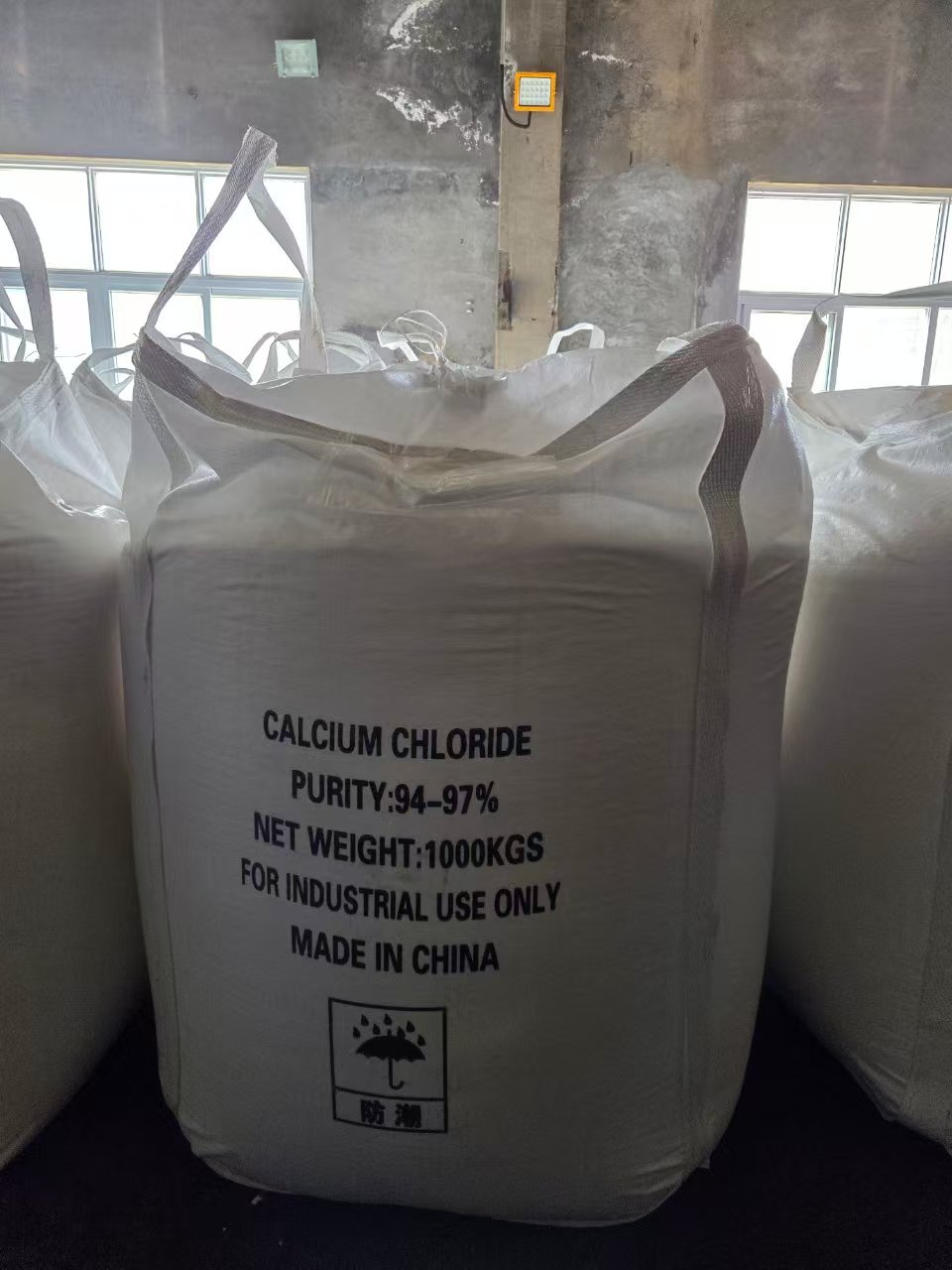
Packaging is another quiet signal. Reinforced liners, clearly marked batch numbers, and clean seals rarely happen by accident. They point to a supplier that has thought through transport, humidity, and end-user handling rather than one that treats packaging as an afterthought. When bags arrive intact and pellets still hold their shape, it is usually the result of decisions made well before shipping.
None of this requires a lab test on day one. Tipping a sample into your hand and checking the bag it came from gives a practical read on how the supplier operates. Mixed sizes, excess fines, or flimsy packaging are not just minor flaws; they are clues about what will happen on larger orders.
FAQ
Look at how long they have actually been producing this specific grade. Ask about the production line setup and request recent third-party lab reports. A plant that runs both de-icing and industrial grades often has stronger internal controls than a trading company that simply repackages material.
Request a dated video walkthrough of the facility, or ask for loading photos and export records under the same company name. Genuine manufacturers usually can explain their raw material sourcing, equipment maintenance, and daily output without hesitation.
Check the full assay for magnesium chloride, sodium chloride, and insoluble matter. A lower price can hide higher alkali metal content that weakens ice-melt performance or causes caking during storage.
It matters more than many buyers expect. Uneven pellets create dust, clog spreading equipment, and dissolve at different rates. Ask for a sieve analysis and request a sample from the actual production lot with the particle size range you plan to use.
Ask for sealed samples taken from the real production batch, not a display sample. Then run a simple moisture test and observe how quickly the pellets dissolve. If they soften or become sticky in humid air, packaging or purity may be off.
Confirm the inner liner thickness, valve type, and whether bags are palletized and shrink-wrapped. For humid destinations, ask about moisture-barrier liners or desiccant packs. Proper storage instructions should mention keeping pallets off concrete floors and away from open doors.
Ask about monthly capacity, typical lead time, and how the supplier handles raw material price changes. A dependable source will give realistic scheduling instead of promising unlimited tonnage. Check whether they have shipped repeat orders to the same region for at least two years.
Look for ISO 9001 at minimum, plus REACH or equivalent registration if your market requires it. Each batch should come with a certificate of analysis, a safety data sheet, and labeling that matches the destination country's rules.
Conclusion
Finding a reliable calcium chloride 94% pellets supplier starts before you compare prices. Ask exactly where the product is produced and who handles it after it leaves the plant. If a seller cannot name the production site or gives conflicting answers on different calls, treat that as a red flag. Instead of relying on a polished data sheet, request a sample and test it yourself. Look at moisture, fines, color, and hardness. Good pellets hold their shape, dissolve cleanly for your application, and arrive with consistent sizing. Keep in mind that a broker can send a spec sheet just as easily as a manufacturer can, so ask for evidence of production, such as batch records, recent loading photos, or a short video from the line.
Moisture and impurities often reveal more than the printed numbers. Calcium chloride absorbs water from the air, so bags that feel damp, clumped, or unusually heavy usually point to weak packaging or long storage. Pay attention to pellet size distribution and packaging before committing to a large order. A supplier that cannot hold a narrow size range or uses flimsy bags will likely create handling problems later. Before peak season, do not accept a stated capacity at face value. Ask what is actually available now, what the lead time is for a full container, and how many loads they shipped last month. A genuine manufacturer answers directly, while middlemen tend to stall or offer vague assurances.
Contact Us
Contact Person: Tom Cui
Email: [email protected]
Tel/WhatsApp: +8618663670626
Website: https://www.jinjigoldenchem.com