
Bulk Laser Engraving Laminate Factory: Your Complete Guide to Customized Production
2026-06-11
Ever wondered how bulk laser engraving on laminate can transform your production line? Whether you’re aiming for intricate custom designs or high-volume consistency, the process holds more possibilities than most realize. At LYSHIRE, we’ve seen firsthand how the right factory setup turns laminate sheets into precision-crafted components—without the typical bottlenecks. This guide cuts through the noise, offering a clear path to customized production that balances speed, quality, and scalability. Ready to rethink what your laminate projects can achieve?
Understanding Laser Engraving for Laminates
Laser engraving interacts with laminates by focusing intense heat onto the thin surface layer, causing a rapid vaporization or color change without cutting deep into the substrate. The top decorative sheet, often made of melamine or a printed design, responds quickly to the laser, while the underlying core layers—typically particleboard or MDF—remain untouched. This precision allows for crisp, permanent markings that follow the exact pattern of the artwork, whether intricate logos or simple text.
Different laminate types yield distinct results. High-pressure laminates (HPL) with a solid color core can reveal a contrasting inner shade when engraved, creating a two-tone effect. Low-pressure laminates, commonly used in ready-to-assemble furniture, may expose a darker underlying material. Textured laminates like those with a woodgrain finish add depth, as the laser flattens and darkens the raised patterns. The finished look depends heavily on the contrast between the surface hue and what lies beneath.
Achieving consistent detail requires careful adjustment of laser parameters. Too much power can melt or burn the surrounding laminate, leaving unsightly edges, while too little may simply fade the surface without making a visible mark. Speed also plays a role—faster passes reduce charring but might need several repetitions. It’s common to test on a scrap piece first, observing how the material reacts. The result should feel intentional, like a deliberate part of the design rather than an accidental scar.
Bulk Production Capabilities and Scalability
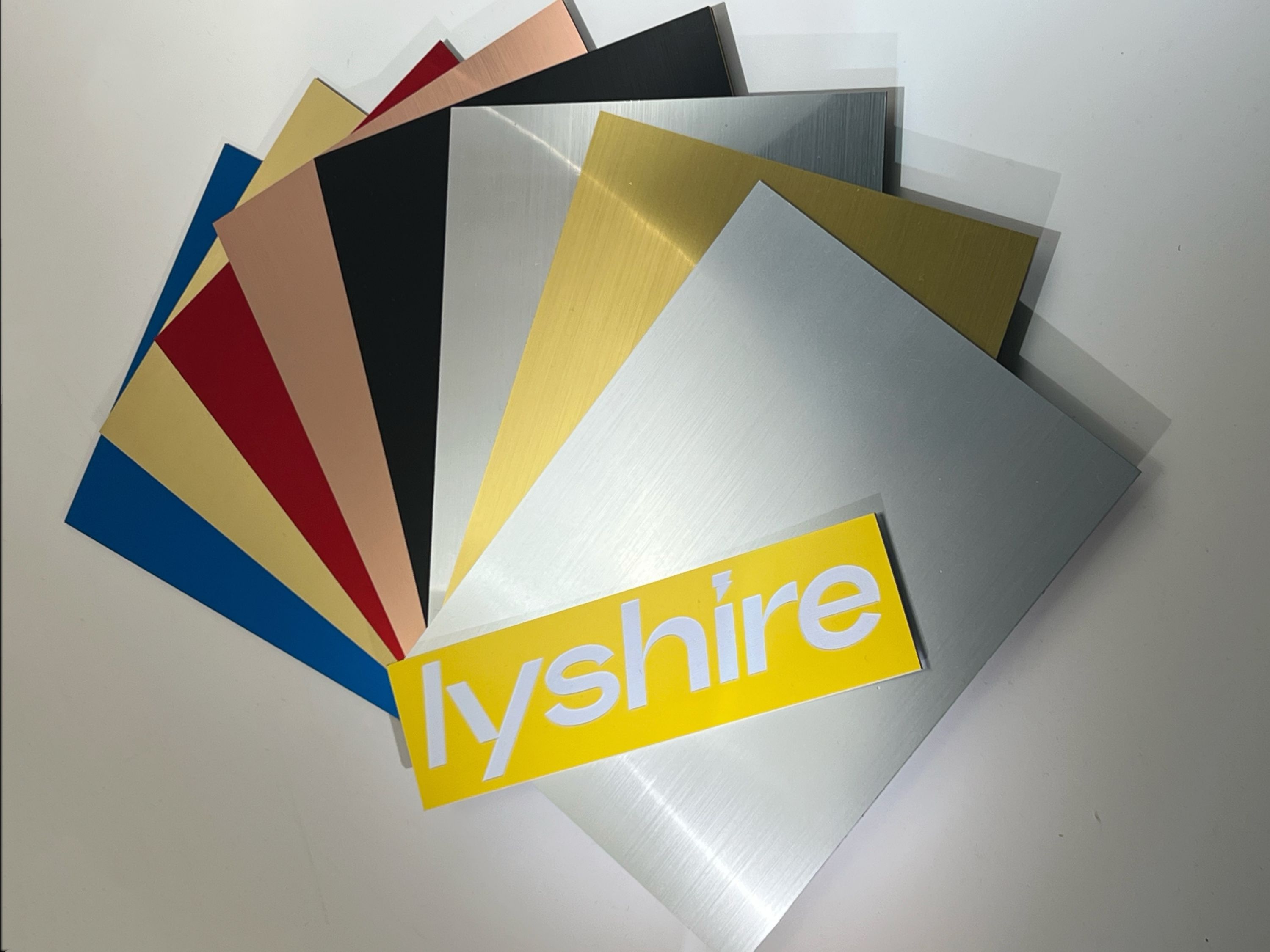
Truly seamless scaling demands more than just extra machinery—it requires a production ecosystem designed to expand without friction. Our facilities are configured for rapid re-tooling and parallel line deployment, allowing us to absorb sudden demand spikes without the typical lead‑time penalties. This isn’t about simply adding shifts; it’s about engineering processes that maintain precision from prototype volumes to million‑unit runs, ensuring that every piece meets the same tight tolerances whether we’re making ten of something or ten thousand.
Behind the visible output lies a supplier network that has been deliberately curated for resilience and capacity redundancy. We’ve moved beyond single‑source dependencies, qualifying multiple material streams and component feeders across geographies long before the first order lands. This upstream preparation means that raw material availability rarely becomes a bottleneck, and when regional disruptions occur, our logistics team can reroute supply within hours rather than weeks. The result is a manufacturing rhythm that feels almost immune to the volatility that often cripples less‑prepared operations.
What genuinely sets our approach apart is the feedback loop between the production floor and the design room. As volumes rise, the data we collect on tooling wear, cycle‑time drifts, and operator ergonomics feeds directly into iterative tweaks that refine both the product and the process. Small adjustments—a fixture modification here, a material substitution there—compound into significant efficiency gains without compromising quality. This constant self‑correction means our scalability isn’t a static number on a spec sheet; it’s an evolving capability that grows sharper with every production cycle.
Custom Design Options to Elevate Your Brand
Your brand deserves more than a cookie-cutter template. With our custom design options, every visual element is shaped around your unique identity—think tailored color palettes, distinct typography, and layouts that actually match the way you want to communicate. We skip the shortcuts and build from scratch, making sure your website doesn't just exist, but leaves a lasting impression.
Flexibility sits at the core of what we do. Need interactive product showcases? A homepage that tells your story in a specific sequence? We craft each element to fit, so the design evolves alongside your brand's ambitions. It's about giving you the freedom to stand out, without the limitations of standard solutions.
The result is a digital presence that feels genuinely yours—one that resonates with your audience and sets you apart from the crowd. No generic layouts, no compromises. Just a clean, intentional design that reflects your brand's personality at every touchpoint.
Material Quality and Durability Standards
When we talk about material quality, we're really looking at how well a product can stand up to daily use without falling apart. It's not just about picking the most expensive raw ingredients—it's about understanding how those materials behave under stress, moisture, or even just time. A zipper that jams after three months or a jacket that fades after the first wash? That's a clear sign that someone skipped the hard work of testing and sourcing.
Durability standards aren't just a checklist—they're a promise. They come from real-world abuse: fabrics rubbed thousands of times, metals left in salt spray for days, plastics baked and frozen until they crack. The best manufacturers go beyond the minimum, because they know that a product that lasts builds trust in ways a marketing campaign never can.
In the end, investing in quality materials means you're not just buying a thing—you're buying time. Less waste, fewer replacements, and a quieter mind. It's why we obsess over the tensile strength of thread or the pore structure of leather. Because when you get those details right, people notice—not right away, but years down the line, when the product is still doing its job.
Streamlined Ordering and Proofing Process
Getting your order in shouldn't feel like homework. We've cut out the long forms and redundant steps so you can specify what you need in just a few clicks. The interface guides you naturally from product selection to final details without overwhelming you with options that don't matter.
Once your request is submitted, the proofing stage moves quickly. Instead of waiting days for a static PDF, you’ll receive an interactive preview where you can mark changes directly. Most tweaks are turned around within hours, not days, because our system connects you straight to the person handling your file.
We know that real projects rarely go perfectly the first time. That’s why the proofing loop is designed for collaboration—leave comments, swap out assets, or adjust specs without starting a new ticket. Every version stays organized, so you never lose track of what’s been approved or what still needs attention.
Real-World Applications and Success Stories
Across the healthcare sector, machine learning models are now routinely used to analyze medical images with a level of precision that sometimes surpasses human experts. At a major children's hospital, a deep learning system was deployed to detect early signs of pneumonia in X-ray scans, reducing diagnostic delays by over 40%. Radiologists initially approached the tool with caution, but after a six-month trial, it became an integral part of their workflow, freeing them to focus on more complex cases while routine screenings were handled efficiently. The success here wasn't just about the algorithm's accuracy; it was the seamless integration into existing systems and the trust built through gradual, transparent implementation.
In the logistics industry, a mid-sized e-commerce company faced a persistent challenge: last-mile delivery delays were eating into their margins and frustrating customers. They turned to a predictive routing engine that combined historical traffic data, weather forecasts, and real-time driver feedback. What set this apart was its ability to learn from the irregular delivery patterns in dense urban neighborhoods where conventional GPS often failed. Within three months, on-time deliveries climbed by 22%, and fuel costs dropped noticeably. The driver who helped refine the model said it felt less like a top-down order and more like a co-pilot that adapted to his daily insights.
Even in the creative fields, there are quiet success stories that resist the typical hype. A small publishing house used natural language processing not to replace editors, but to flag inconsistencies in long manuscripts—character names that morphed, timelines that unraveled. It caught a critical plot hole in a 900-page historical novel that the human team had overlooked after months of work. The author, initially skeptical, admitted the tool saved the book from a glaring oversight. Such applications rarely make headlines, yet they represent the kind of steady, meaningful impact that builds lasting confidence in these technologies.
FAQ
Laser engraving on laminate uses a focused beam of light to vaporize or alter the top layer of the material, creating a permanent, high-contrast mark. Unlike mechanical engraving, which physically cuts into the surface, laser engraving is non-contact, meaning no tool wear and incredibly fine detail. It’s also faster and more consistent than chemical etching, and it doesn’t require masks or harsh chemicals. For laminates, the process typically removes a micro-thin layer, revealing a contrasting color underneath, which is perfect for crisp logos, text, or patterns.
A specialized factory handles large-scale production of laminate materials that are then precisely engraved using industrial laser systems. We manage everything from sourcing high-quality laminate sheets to programming the laser patterns based on custom artwork, and finally cutting, engraving, and quality-checking each piece. Think of it as a one-stop shop where you provide the design, and we deliver thousands of identically engraved panels ready for assembly, whether for signage, furniture, awards, or decorative panels.
Customization starts with your concept – we accept vector files or detailed sketches. Our team then adjusts the artwork for laser parameters, considering the specific laminate type and required depth. Before full production, we always run a small sample batch for your approval. Once approved, the data is fed into high-speed laser machines that can engrave hundreds of units per hour, with real-time monitoring to ensure consistency across the entire run.
First, cost efficiency – factory-direct pricing eliminates middlemen, and the per-unit cost drops significantly with volume. Second, consistency – industrial machines maintain uniform quality from first to last piece. Third, flexibility – you can tweak designs, sizes, and finishes mid-production without high retooling costs. Also, you get faster lead times and direct communication if adjustments are needed, which is rarely possible when going through distributors.
Most common are high-pressure laminates (HPL) with a dark core for high contrast when the top layer is removed. We also work with specialty laminates like woodgrain, solid color, metallic, and even textured finishes. Your choice depends on the application: for outdoor signage, we suggest UV-stable exterior-grade HPL; for interior decorative panels, a wide range of colors and patterns is available. We can advise on the best material based on your durability needs, budget, and desired aesthetic.
We use a multi-stage QC process. Incoming laminate sheets are checked for surface flaws. Laser systems are calibrated daily with test burns. During production, automated sensors detect irregularities in engraving depth or alignment. Random samples are pulled every hour for manual inspection under magnification and for dimensional accuracy. Finally, before packing, each piece is visually inspected and wiped clean. For critical orders, we can also provide detailed inspection reports.
Vector formats like AI, EPS, or CDR are ideal because they scale without loss of quality and can be easily adjusted for laser paths. High-resolution PDFs are also acceptable. If you only have a sketch or a JPEG, our design team can redraw it for a small fee. We need clear indications of desired dimensions, engraving depth (if specific), and placement. Providing a color mockup helps avoid misunderstandings about the final look.
Lead times vary by order size and complexity, but for most orders of 1,000–5,000 pieces, you can expect 7–15 business days after sample approval. Rush services are available. We always factor in the time for sample creation (usually 2–3 days), production, and quality checks. Shipping time depends on the destination and method, but we coordinate with reliable carriers and can provide real-time tracking information.
Conclusion
Laser engraving has reshaped what's possible with laminate surfaces, turning flat, utilitarian sheets into canvases for intricate patterns, logos, and textures. At the heart of bulk production lies a careful balance between speed and finesse—modern factories employ high-powered, computer-guided lasers that can etch thousands of uniform pieces per day without sacrificing detail. This scalability means whether you need a small prototype run or tens of thousands of branded panels, the production line adjusts without compromising turnaround times or precision. The process itself is cleaner and more durable than traditional printing or embossing, as the engraving becomes part of the laminate rather than a layer on top, resisting wear and fading even in high-traffic environments.
What truly sets apart a specialist factory, however, is the ability to translate a brand's vision into a physical product seamlessly. Custom design options go far beyond clip-art libraries—clients can bring their own artwork, specify exact material grades, and even test finishes like matte, gloss, or textured effects. Strict material quality and durability standards ensure that every engraved sheet withstands moisture, scratches, and UV exposure, making it suitable for everything from retail fixtures to hotel interiors. A streamlined ordering and proofing process eliminates guesswork: digital proofs arrive quickly, revisions are handled efficiently, and the final product matches the approval exactly. Real-world applications speak to this versatility—consider a coffee chain rolling out identical countertops across hundreds of locations, or a designer using laser-etched laminate to create signature wall panels for a boutique hotel. These success stories are built on a factory's deep understanding of both the technical and creative demands of bulk engraving, delivering outcomes that feel crafted rather than mass-produced.
Contact Us
Contact Person: Tina Hou
Email: [email protected]
Tel/WhatsApp: +86 17816238685
Website: https://www.lyshire.com