

Bulk CNC Parts: What to Know Before Ordering Large Quantities
2026-09-03
Ordering bulk CNC parts isn’t as simple as multiplying a single-unit price by quantity. Tolerances drift, material inconsistencies surface, and lead times stretch when volumes climb. Before you commit to thousands of components, there’s a lot more than unit cost to scrutinize. From supplier capability audits to DFM adjustments for high-volume runs, the decisions you make now determine whether your project stays on track or spirals into rework. Here’s what actually matters—and how Peak Fasten helps teams avoid the common bulk-ordering pitfalls.
Why Material Selection Deserves More Than a Quick Glance
Most design discussions treat material choice as a checkbox near the end of the process—something to confirm once the shape and mechanics are locked. Yet that late decision quietly shapes how a product ages, how it feels in the hand, and whether it survives the first year of real use. A zinc alloy might look identical to stainless steel in a render, but its weight, corrosion behavior, and failure mode under repeated stress tell a completely different story after shipping.
The real cost of a rushed selection shows up in places no one photographs for the launch deck: micro-cracks around a boss, a finish that clouds after exposure to hand sanitizer, or a snap-fit that loosens by the third cycle. Those are not manufacturing defects—they are material choices made without asking how the part will actually live. Ignoring that question can easily turn a modest per-unit saving into a recall, a redesign, or a quiet erosion of customer trust.
Material selection, done well, is less about picking from a datasheet and more about reading the hidden demands of the environment, the assembly sequence, and the user's habits. It deserves the same iterative attention as any other critical subsystem—not a last-minute glance.
The Tolerance Conversation That Saves Thousands Later
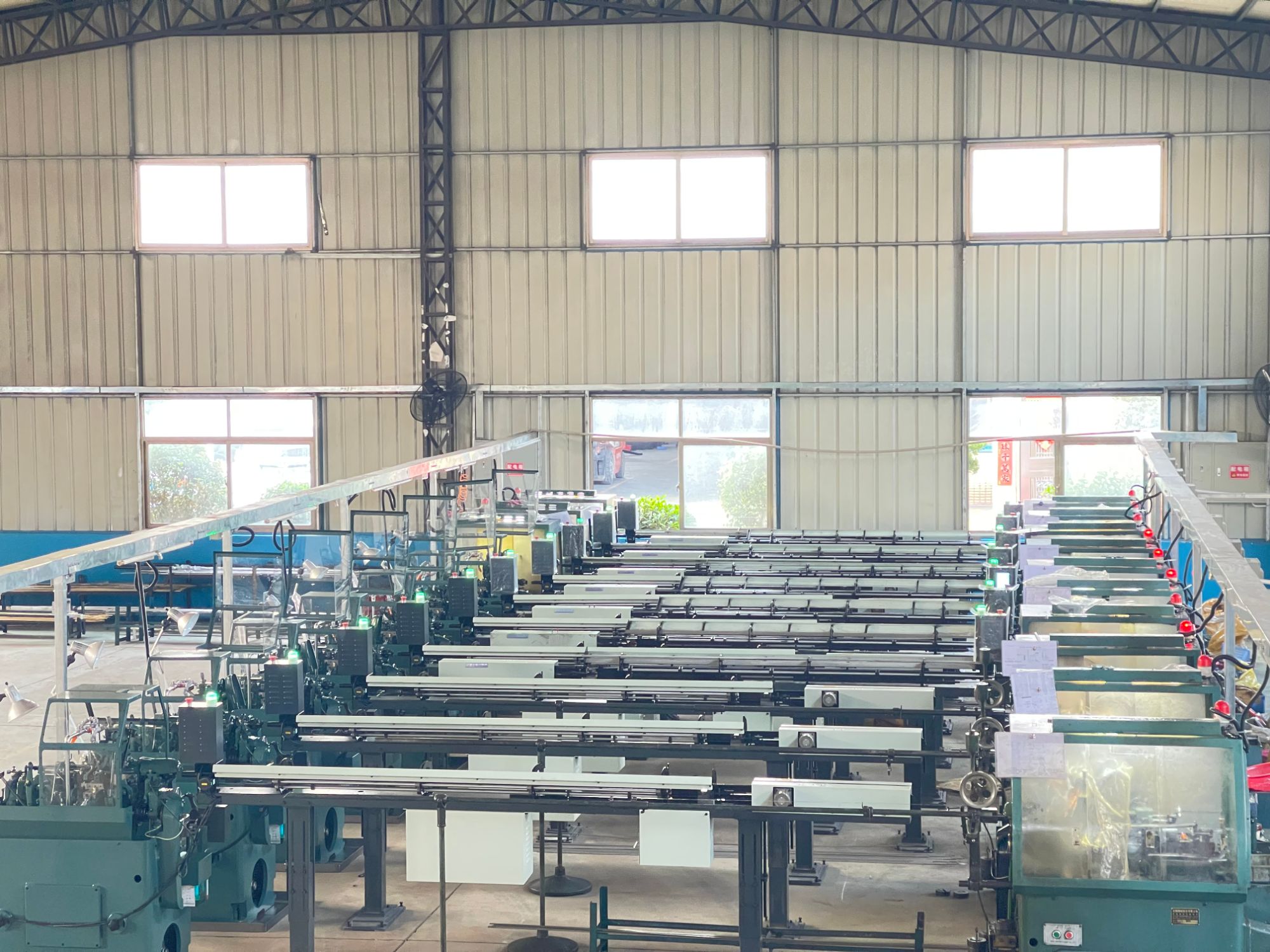
Most production delays don't start on the factory floor. They begin weeks earlier, when someone assumes a ±0.5mm tolerance is "close enough" and nobody pushes back. A short, uncomfortable conversation about what the part actually needs to do—right then, before tooling is ordered—can eliminate entire cycles of rework, rejected batches, and emergency machining later.
The real cost isn't just scrap. It's the silent drift: a supplier interprets your drawing one way, your assembler another, and the customer expects a third. When you sit down and walk through tolerance stack-ups with the people who will actually touch the part, you force those hidden mismatches to surface. An hour spent arguing about a datum or a surface finish now is vastly cheaper than discovering a mating issue during final inspection.
That kind of conversation isn't about being difficult. It's about treating tolerances as a design language everyone agrees on. If the team can't defend a number, it's probably too tight or too loose. Nail that early, and you stop paying for over-engineered drawings, under-specified fits, and the thousands of dollars that quietly leak out when they collide.
Before You Commit to Bulk, Try a Pilot Run
Jumping straight into a large bulk order feels efficient until you're stuck with a warehouse full of products nobody wants. A pilot run lets you test the waters with a fraction of the inventory, catch quality issues early, and see how your audience actually responds before you sink serious money into it.
Pick a small batch that mirrors your planned full order in terms of material, production method, and lead time. Then set clear checkpoints: how fast does it sell? What do customers complain about? Are returns higher than expected? These answers are worth far more than the modest cost of the trial.
Once the pilot wraps up, resist the urge to gloss over weak spots. If the numbers don't support scaling, tweak the product or your marketing message and run another small test. Only when the pilot shows consistent demand should you commit to bulk—your future self will thank you.
Lead Time Variables Your Quote Won't Spell Out
A quote typically lists one lead time, but that number assumes every upstream step aligns on the first try. Raw material lots can be rejected on arrival, a supplier's machine might go down mid-run, or a previously approved finish could suddenly require re-qualification. Each of these quietly pushes the real date further out without changing the number you were originally given.
Queue position matters more than most buyers realize. Your order may carry a four-week lead time on paper, but if the shop is already running two other jobs with higher priority, yours simply waits until a machine opens up. Batch size plays a role too: a small order can be slotted into a gap, while a larger one needs a full production window that may not exist for another three weeks.
Then there are the handoff delays that never appear in a quote. A part may sit for days after machining because the inspection queue is full, or get held at export because the commodity code was filed late. Even internal approvals, like a packaging sign-off or a last-minute tolerance tweak, can add more time than the entire fabrication step. If you need a realistic date, ask what's not included in the quoted lead time, not just what is.
Surface Finish Requirements Most Buyers Overlook
Many buyers fixate on the Ra number and call it a day, but that single value rarely captures how a surface will behave during assembly or in service. Things like the direction of the machining marks, the presence of micro-burrs, or a waviness pattern that doesn't show up in a standard roughness trace can create real problems. If the lay isn't specified, a shaft that seals perfectly in one orientation can leak once it's rotated 90 degrees.
Another overlooked area is what happens after the finish is measured. A part might hit the roughness spec right off the machine, but then get deburred, tumbled, or lightly polished to remove sharp edges. Those secondary operations can alter the peak heights and valley depths enough to change how a coating adheres or how a bearing rides. Buyers often skip asking for a post-process roughness check, assuming the finish is stable once it's achieved.
It also pays to think about the boundary between surfaces. A surface finish requirement that stops at the edge of a sealing face or a press-fit bore leaves room for inconsistency where it matters most. Instead of accepting a blanket roughness callout, spell out what's needed at the transition zones and on any surface that will see sliding contact or a fluid film. That level of detail is rare, but it's often what separates a part that works from one that gets returned.
What a First Article Report Really Tells You
A first article report often reads like a checklist, but the real value sits between the lines. It doesn't just confirm a sample was made; it shows how the factory interpreted your drawings, which materials were actually used, and where the process drifted from the spec.
Small details in the report, such as surface finish variations, unmarked revisions, or measurement methods, reveal whether the supplier is paying attention or just going through the motions. These observations can predict future production problems long before they show up in volume.
Instead of skimming for pass/fail marks, look for patterns: repeated deviations, unrequested changes, and notes about tooling adjustments. Those tell you more about communication and process control than any single dimension ever will.
FAQ
Tooling wear, fixture revisions, and scrap rates don't always show up in the initial quote. Ask your shop to break down how they handle tool life monitoring and how much material waste they expect at scale. Some shops absorb setup costs after a threshold, while others pass them through per part. Also check if they charge for packaging adjustments when you go from 10 parts to 10,000.
Look past the sales pitch and ask for examples of similar past runs, not just prototypes. Check whether they have automated loading systems, redundant machines, and a documented process for in-process inspection. Visit the floor if possible and watch how they manage chip evacuation and coolant filtration—those little things determine whether a 5,000-part order stays consistent.
Avoid specifying the tightest tolerance everywhere just because it worked on a one-off. Loosen non-critical dimensions so the shop can run faster and reduce scrap. On critical features, ask for capability data instead of a promise. A good shop will tell you which tolerances raise the price per part significantly—use that to redesign before you commit to thousands of units.
Switch from billet to near-net shapes like extrusions or castings when possible; it cuts machining time and material cost per part dramatically. If you're locked into a grade, ask about lot pricing and whether the shop can buy in bulk and store material for your recurring orders. Also consider chip recyclability if you're running aluminum or brass—it can offset some raw material expense.
Don't rely on final inspection alone. Work with the shop to establish first-article inspection reports, then agree on sampling frequency and how they handle drift. Ask them to send you real-time process data or at least a control chart for critical dimensions. A shop that uses in-machine probing can catch issues before they produce a full shift of bad parts.
Instead of just asking for a discount, offer something that lowers the shop's risk or cost. Commit to a longer blanket order with scheduled releases, pay for material upfront, or simplify your design to reduce setups. Ask if they have idle machine capacity during certain months—shops often discount work that fills gaps in their schedule. But never squeeze them below the point where they'll rush; quality drops faster than price.
One big one is assuming the prototype shop can scale without proof. Another is ignoring how thermal expansion affects dimensions when you run machines continuously for days. Also, people forget about deburring and surface finish consistency at high volume—parts coming off a fast cycle often need secondary tumbling or vibratory finishing, which adds cost and lead time. Always run a pilot batch of 50–100 pieces first.
Lead time per part goes down, but total lead time often goes up because the shop has to queue your job with others, order raw material in bulk, and possibly build custom fixtures. Ask for a realistic schedule that includes fixture design, material procurement, first article approval, and full production. If you need parts urgently, consider splitting the order across two shops—but be prepared to manage slight dimensional differences.
Conclusion
Ordering bulk CNC parts isn't just about getting a lower per-piece price. The metal or plastic you pick has a direct impact on machining speed, tool wear, and how the part behaves after delivery. A cheap aluminum might shave upfront cost, but if it warps during milling or fails under load, rework costs swallow the savings. Even within the same alloy family, different grades cut differently and respond to heat treatment in ways that impact the final dimensions. Spend time on material specs before the PO goes out. Then there's tolerance: over-tolerancing everything adds unnecessary expense, while loose callouts can create assembly nightmares. Have a blunt conversation with your machinist about which dimensions truly matter. That dialogue alone can save thousands down the line.
Before committing to thousands of units, run a small pilot batch. A pilot reveals fixturing issues, chatter, or tool deflection that look fine on a CAD screen but wreck real parts. Your quote also won't disclose every lead time variable—anodizing queues, raw stock delays, or machine down time can stretch delivery beyond what the spreadsheet says. Surface finish is another quiet money pit: buyers rarely specify edge breaks, deburring, or cosmetic requirements, but those choices change cost and function. Finally, a first article report isn't just paperwork. It documents measured dimensions from the first piece off the line, giving you a snapshot of whether the process can hold tolerances in repetition. Skim it at your own risk.
Contact Us
Contact Person: Mason Lv
Email: [email protected]
Tel/WhatsApp: +86 13027998452
Website: https://www.peakfastentech.com